
Setup & Operations · September 6, 2026 · 8 min read
How Does Bitcoin Mining Work Inside a Real Operation
The textbook answer to how bitcoin mining works stops at hashing and block rewards. The operational answer is about electricity contracts, airflow, breaker sizing, monitoring and repair queues — the things that separate a farm making money from one burning it.
This walkthrough follows the chain from a single hash attempt to money in your wallet, using the way we actually commission and service machines from our Hong Kong facility.
From Hash Attempt to Accepted Share
Your pool sends each machine a work template. The miner hashes it with billions of nonce variations per second and returns any result that meets the pool's share difficulty. Those accepted shares are the accounting record of your contribution.
Occasionally a share also satisfies the far harder network target, and the pool publishes a block. The reward goes to the pool, which distributes it across everyone's shares. Your income therefore tracks accepted shares, not luck.
Electrical Design Comes First
Each full-size machine wants its own 240 volt circuit, typically a 30 amp breaker, with correct plug type and cable rating. Loading circuits to their limit is how fires start; size for continuous duty, not peak tolerance, and have an electrician sign off multi-machine installs.
At farm scale this becomes three-phase distribution, PDUs and load balancing across phases. Getting the electrical layout right before the hardware arrives is far cheaper than retrofitting once machines are racked.
Airflow Is a Design Problem, Not an Afterthought
Air-cooled machines pull cool air in one end and exhaust hot air out the other. Any path that lets exhaust recirculate to the intake raises intake temperature, throttles the chips and quietly costs you hashrate. Separate hot and cold sides with physical barriers.
Aim to keep intake below roughly 35 degrees Celsius. Filter the intake, clean filters on schedule, and remember that dust plus heat is the most common cause of premature hashboard and fan failure.
Hydro and Immersion at Scale
Liquid cooling moves the thermal problem outside the building: coolant carries heat to a dry cooler or heat exchanger, so ambient temperature stops governing performance. Machines hold rated hashrate, run far quieter and tolerate higher sustained clocks.
The cost is infrastructure — pumps, manifolds, coolant, leak detection and maintenance discipline. Above roughly fifty machines this usually pays for itself in stability, density and lower labour per terahash.
Monitoring, Repairs and Uptime Economics
Pool-side hashrate is the number that matters, because it reflects what you get paid for. Alert on offline workers, track per-machine temperature and fan trends, and investigate any unit whose hashrate drifts down — that is usually a failing hashboard announcing itself early.
Keep spare PSUs, fans and control boards on the shelf, and have a repair path arranged before you need it. Our repair centre handles hashboard and PSU faults for customers worldwide, which shortens the downtime that silently eats fleet revenue.
Getting Paid and Keeping Records
Pools pay to the bitcoin address you configure, on a schedule and minimum threshold you set. Withdraw to a wallet you control, and reconcile payouts against expected revenue monthly — a persistent shortfall usually means stale shares, throttling or an offline worker nobody noticed.
Keep records of electricity consumption, hardware cost and payouts from day one. It makes tax reporting straightforward and gives you the real cost per terahash you need before your next hardware purchase.
Frequently Asked Questions
- How does a mining pool decide what to pay me?
- By your accepted shares over the payout window. PPS pays a fixed amount per share regardless of pool luck; PPLNS distributes actual block rewards across recent shares, so income varies with luck.
- Why is my miner producing less hashrate than advertised?
- Usually warm intake air causing throttling, dusty filters, a failing fan, or a partially faulty hashboard. Expect around 95 percent of rated output in a warm room as normal derating.
- How many miners can I run on one circuit?
- Typically one full-size machine per dedicated 240 V 30 A circuit. Continuous mining load leaves no headroom for sharing, and overloaded circuits are a genuine fire risk.
- What keeps a mining operation profitable long term?
- Cheap power, efficient hardware in joules per terahash, high uptime and a fast repair path. Those four factors outweigh every short-term price movement.
Recommended Miners From Our Inventory
Hardware in stock that matches this guide. Every unit is bench-tested and hashrate-verified before it ships.
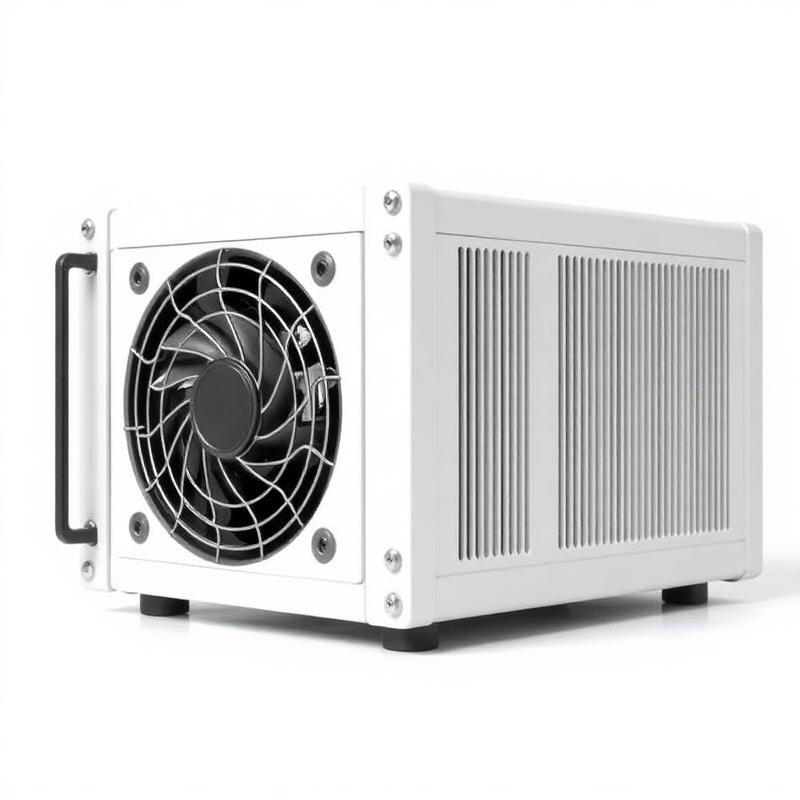
Bitmain Antminer S19 XP+ Hydro 558 TH/s Bitcoin Miner
558 TH/s | 10600 W
SHA-256 · New
$5,950$6,400
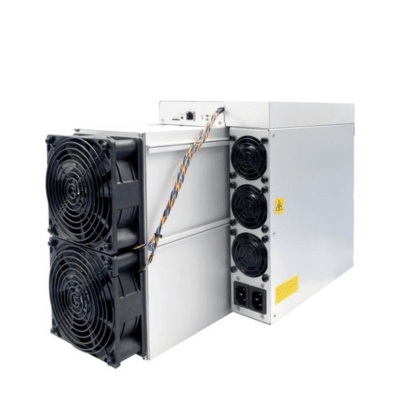
Bitmain Antminer Z15 Pro 840 KSol/s Equihash Miner
840 KSol/s | 2780W
Equihash · New
$3,899$4,299
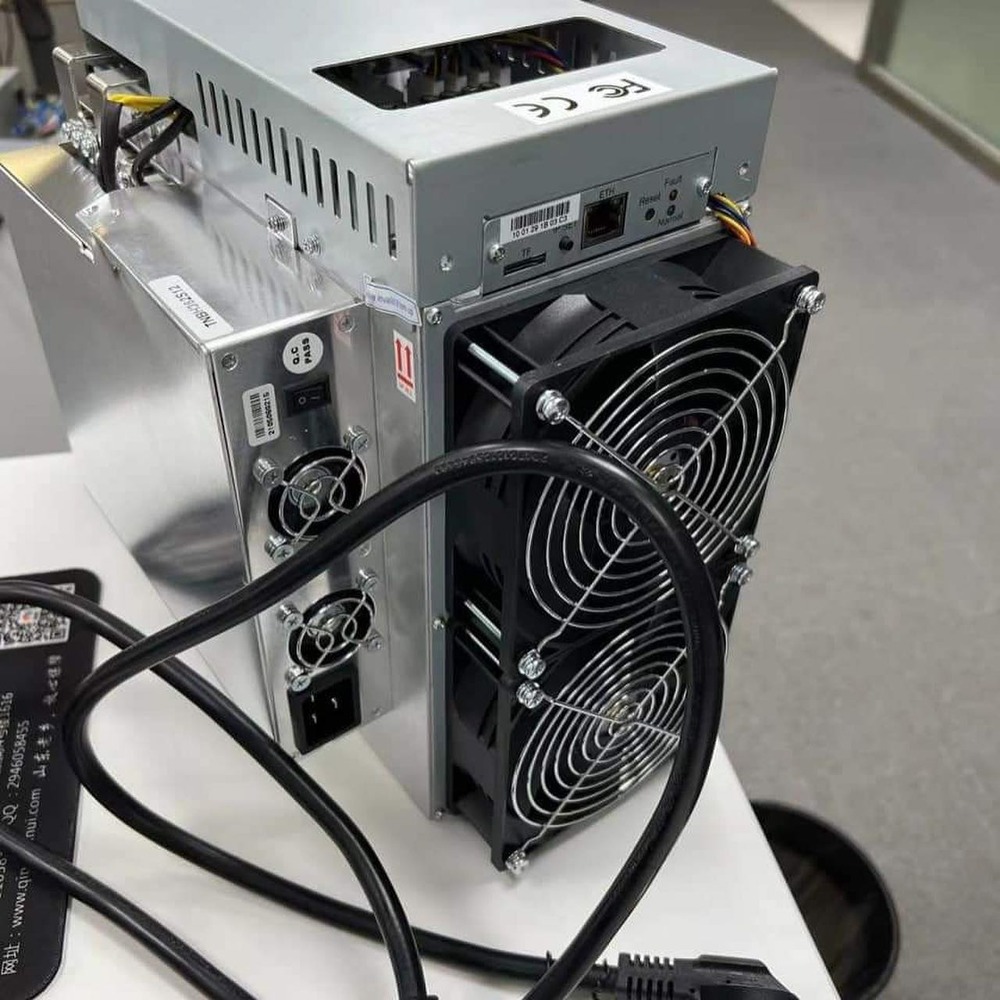
iBeLink BM-K1+ 15 TH/s Kadena Miner
15 TH/s | 2250W
Blake2S · Refurbished
$1,290
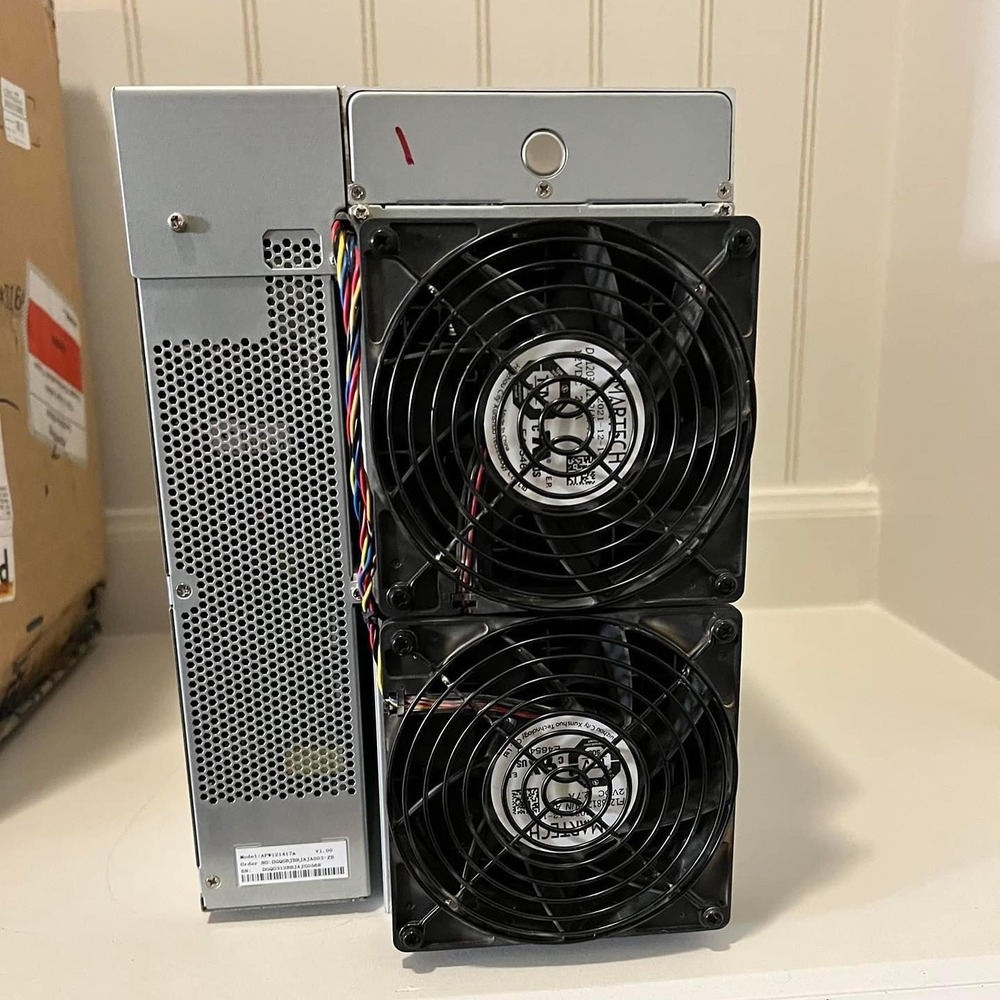
Used Bitmain Antminer L7 8.8 GH/s Litecoin Miner
8.8 GH/s | 3425W
Scrypt · Used
$5,190
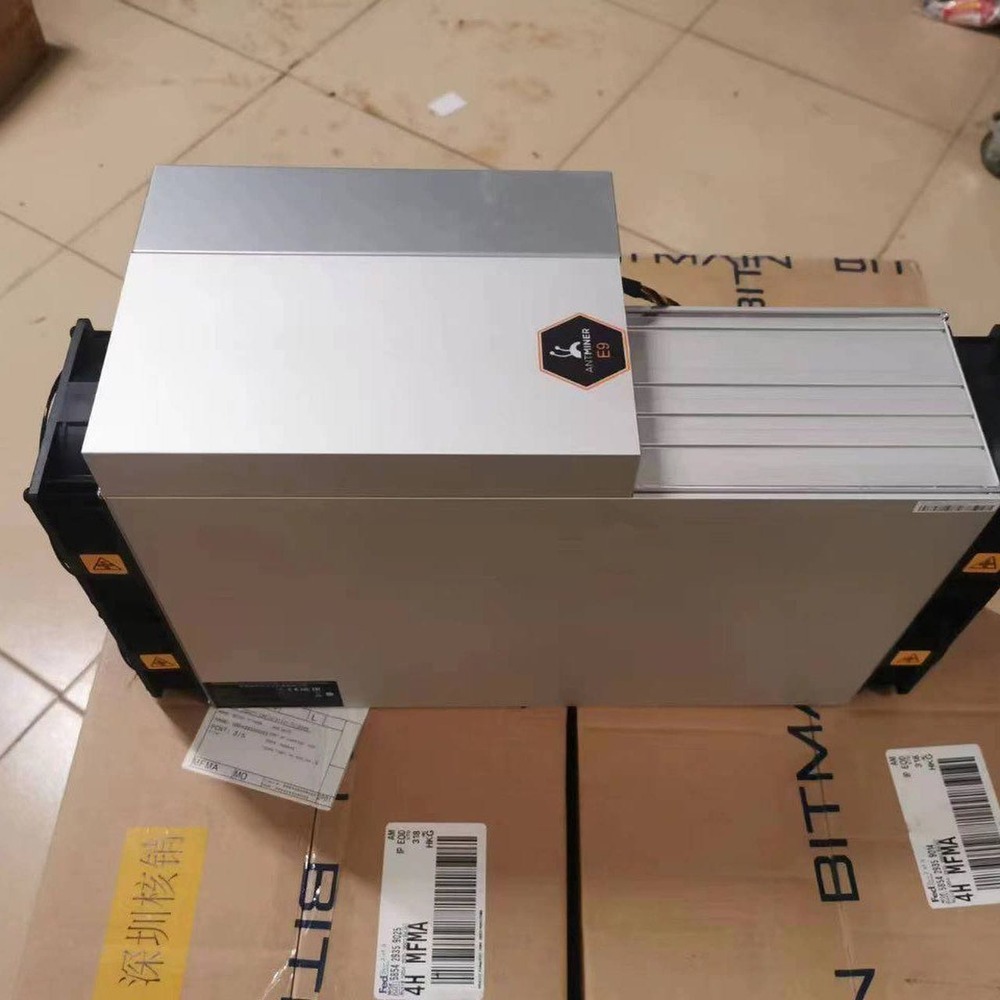
Used Bitmain Antminer E9 Ethash Miner – Worldwide Stock
2400 MH/s | 1920W
Ethash · Used
$1,490
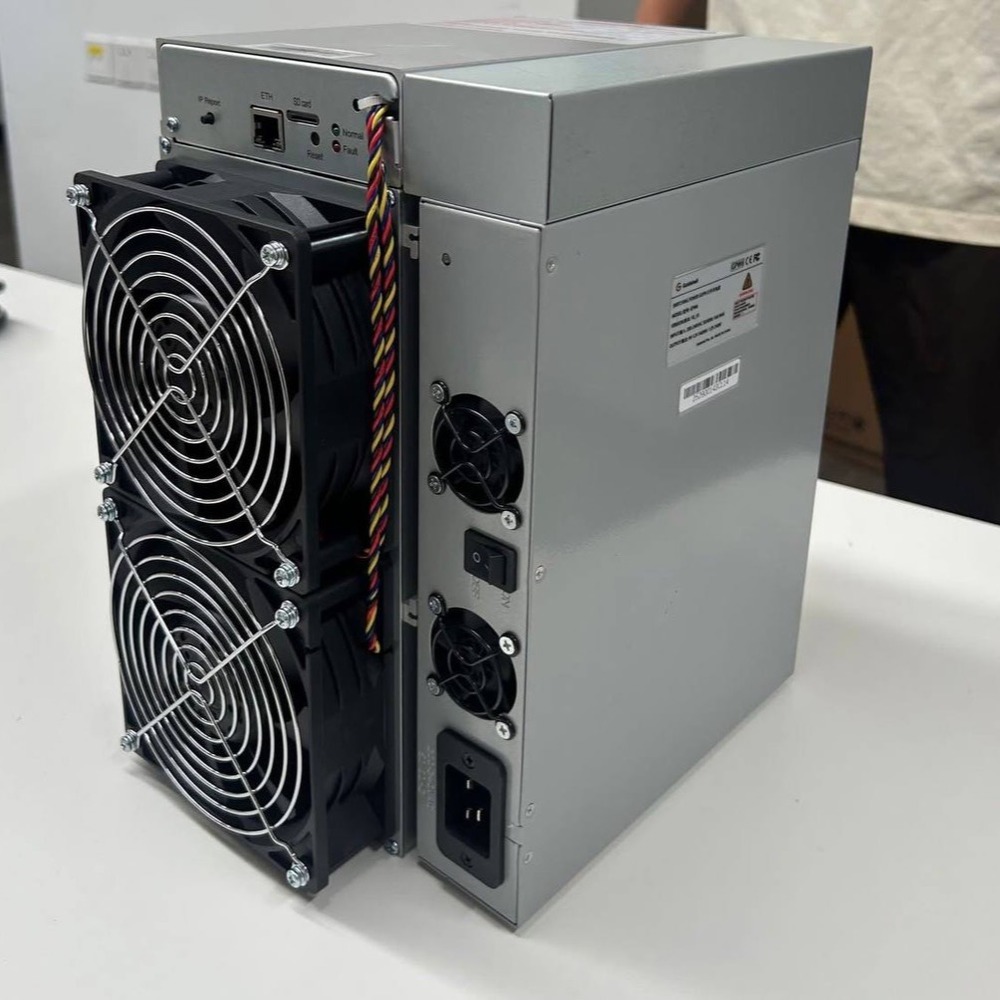
Used Goldshell AE MAX II Alephium Miner
18 TH/s | 3300W
Blake3 · Used
$4,590
Want the numbers run for your site?
Send us your electricity rate, available amperage and budget. We will model the machines that actually pay back at your power cost — no obligation.
Talk to an engineer