
Setup & Operations · September 4, 2026 · 8 min read
USB Crypto Mining and Block Erupters Explained
USB mining sticks and block erupters were the first consumer ASICs — small SHA-256 chips on a USB dongle producing megahashes, later gigahashes, of Bitcoin hashrate. Against 2026 network difficulty they earn effectively nothing, yet people still buy them, and for two defensible reasons.
This guide explains what USB and desktop miners actually do today, how their expected value works, and what to buy instead when the goal is revenue rather than education or novelty.
What a USB Miner Produces Today
Classic block erupters delivered around 300 MH/s; modern USB sticks reach a few hundred gigahashes at best. Network hashrate is measured in hundreds of exahashes, so a USB device's share of block rewards rounds to zero over any human timescale. Expected pool payouts are fractions of a cent per day.
That is not a defect — it is scale. These devices exist to demonstrate the protocol, not to compete with industrial hashrate. Judge them as teaching tools or lottery tickets, never as investments.
The Two Legitimate Use Cases
Education is the first: a USB miner plus cgminer or a modern bfgminer fork teaches pool configuration, stratum, worker naming, share submission and difficulty in an afternoon, on a device you can run on a desk without a dedicated circuit. It is the cheapest possible mining lab.
Solo lottery mining is the second: point a small device at a solo pool and you hold a genuine, astronomically small chance at a full block reward. People buy the ticket knowingly. The correct framing is entertainment spending with a lottery-shaped payoff, not yield.
Desktop and Home Miners Are a Different Category
Do not confuse a USB stick with a modern low-wattage home miner. Purpose-built quiet units running on 110 V household power produce real terahashes at manageable noise, and they do earn measurable Bitcoin. They cost more and need proper airflow, but the economics are on a completely different scale.
If you want a machine on a desk or in a home office that genuinely mines, buy a low-wattage home unit rather than a dongle. Our team can match one to your circuit and noise tolerance.
Running One Properly
Use a powered USB hub — unpowered ports brown out and cause hardware errors — add a small fan, keep the chip below its thermal limit, and configure a pool with a distinct worker name so you can see shares arriving. Expect firmware and driver quirks; most of these devices predate modern operating systems.
Track hardware error rate rather than headline hashrate. A stick reporting its rated speed with a high error count is submitting far fewer valid shares than it appears to.
Better Uses of the Same Money
A tested used ASIC in the low-to-mid range produces tens of terahashes for a few hundred dollars — millions of times the hashrate of a USB stick. If your electricity is cheap, that is the purchase that actually generates Bitcoin.
Keep a USB miner as a demo, a conversation piece, or a solo lottery ticket alongside real hardware. Just size the expectation to what the silicon can do.
Frequently Asked Questions
- How much does a USB bitcoin miner earn?
- Effectively nothing — fractions of a cent per day at best. Its share of network hashrate is too small to produce meaningful pool payouts.
- Are block erupters still usable in 2026?
- They still hash and still submit valid shares, so they work as teaching hardware and solo lottery devices. As revenue equipment they are obsolete.
- Can a USB miner solo-mine a block?
- Yes, with odds comparable to a large lottery. It happens occasionally to tiny miners, which is precisely why the category persists.
- What is the smallest miner worth buying for real income?
- A low-wattage purpose-built home ASIC producing real terahashes on a 110 V or 240 V circuit. Below that, revenue is a rounding error.
- Do I need special software?
- Older USB devices need cgminer or a bfgminer fork and a powered hub. Modern home ASICs ship with their own firmware and a web interface, so no host software is required.
Recommended Miners From Our Inventory
Hardware in stock that matches this guide. Every unit is bench-tested and hashrate-verified before it ships.
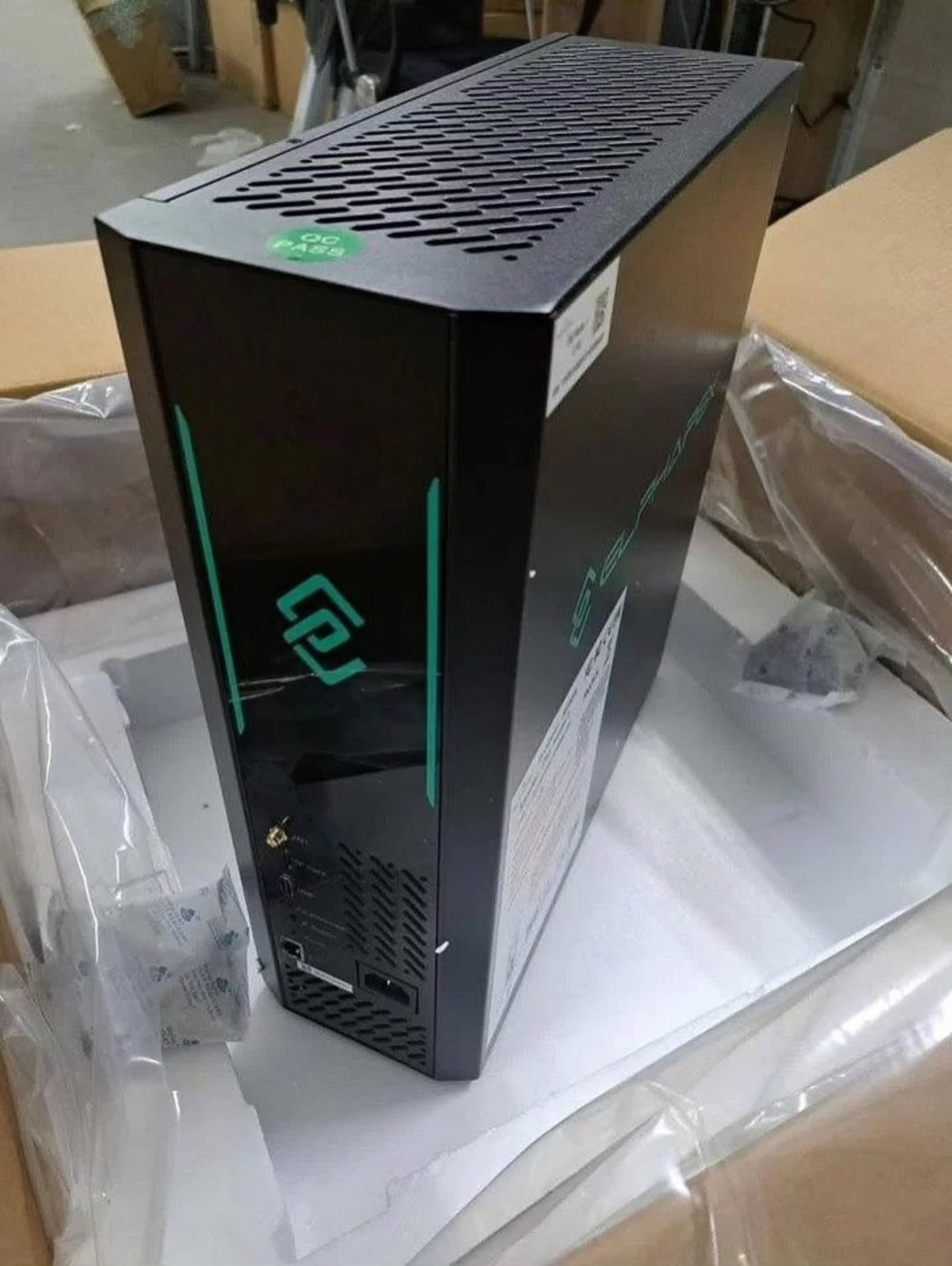
ElphaPex DG Home 2 Gh/s Quiet Dogecoin & Litecoin Miner
2 Gh/s | 620W
Scrypt (DOGE & LTC) · Used
$1,490$1,590
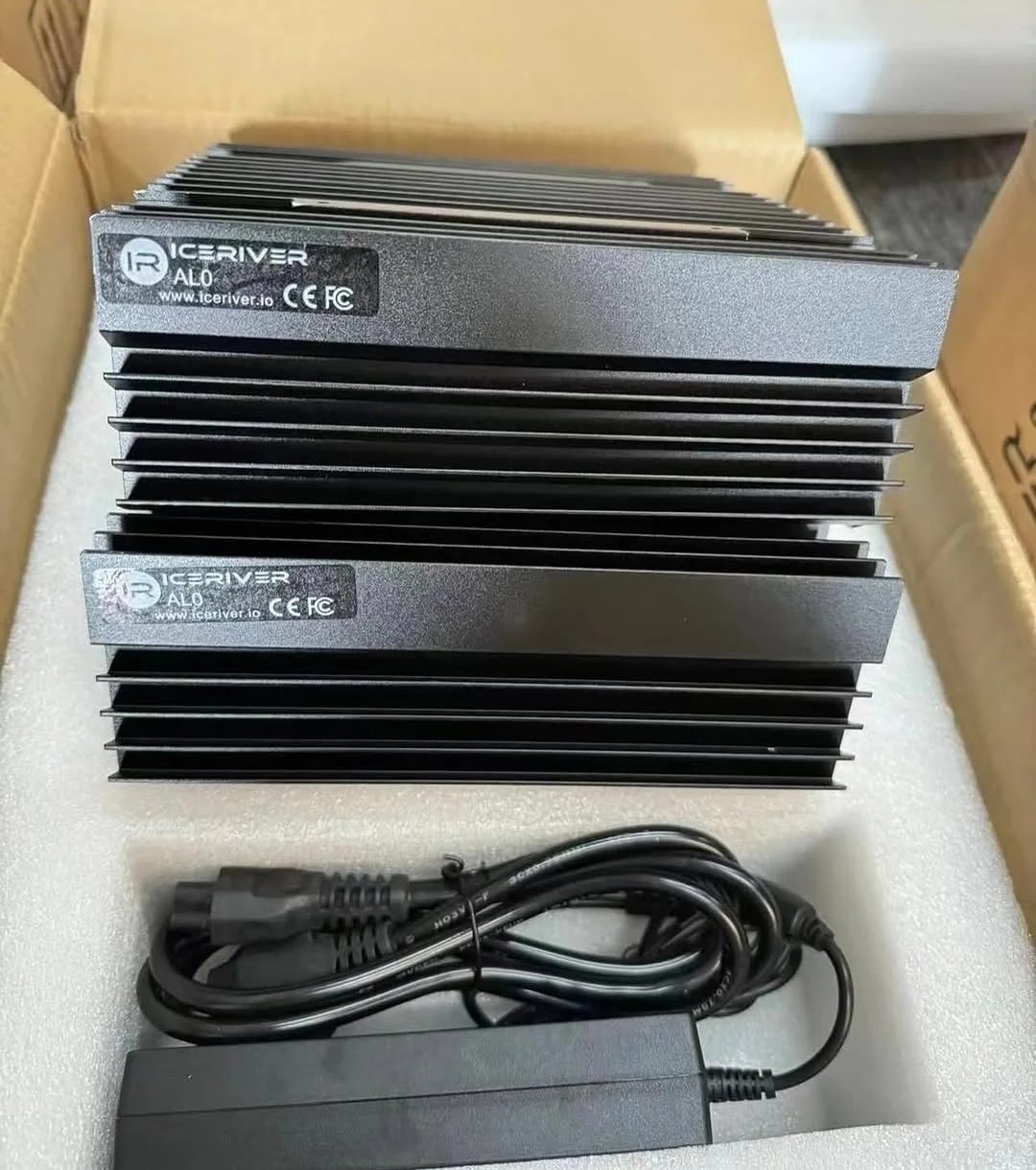
IceRiver AL0 ALEO Miner 50 Mh/s zkSNARK Prover
50 Mh/s | 100W
zkSNARK (Aleo) · Used
$590$649
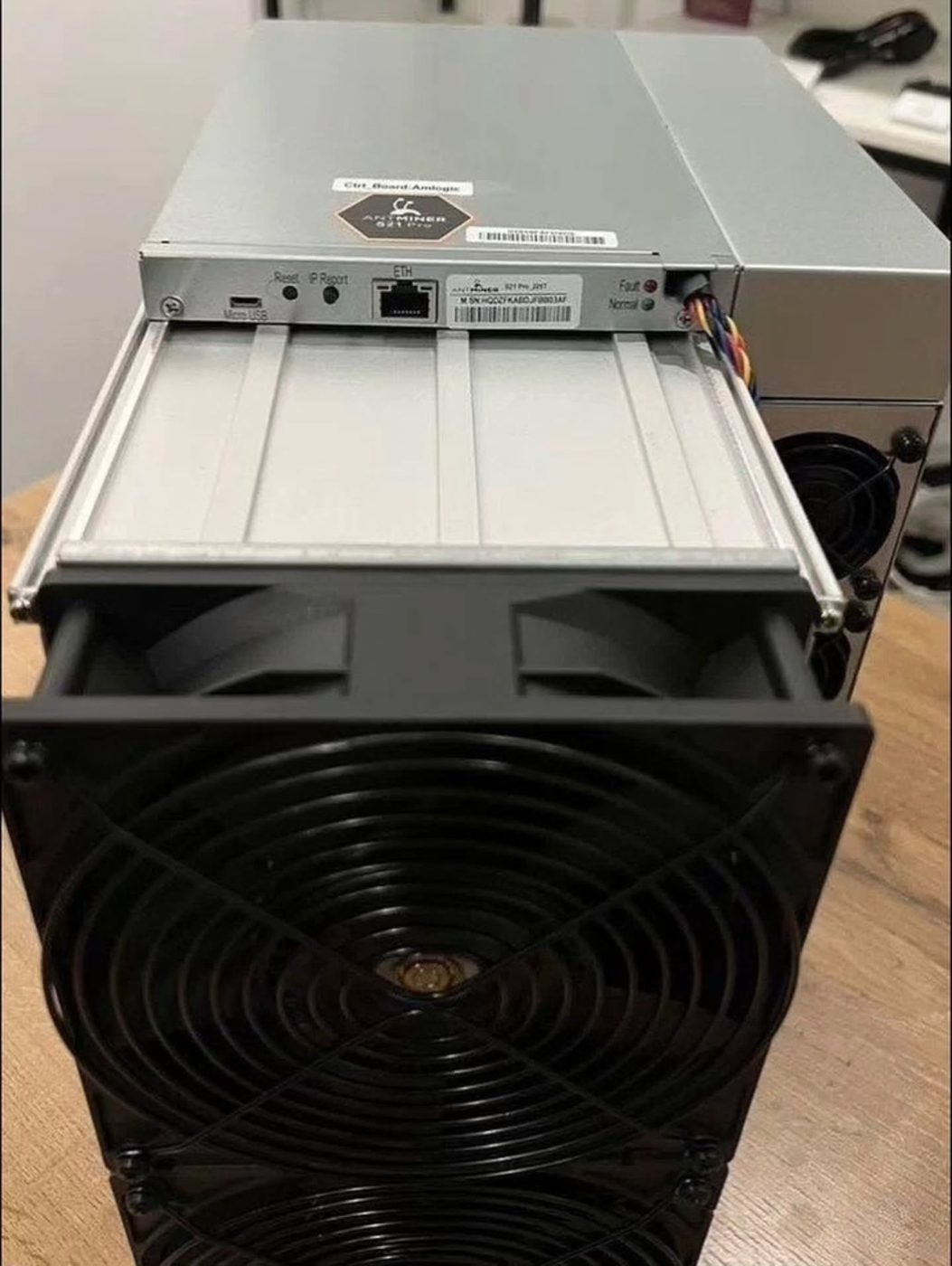
Used Bitmain Antminer S21 Pro 234 Th/s Bitcoin Miner
234 Th/s | 3510W
SHA-256 · Used
$3,990$4,290
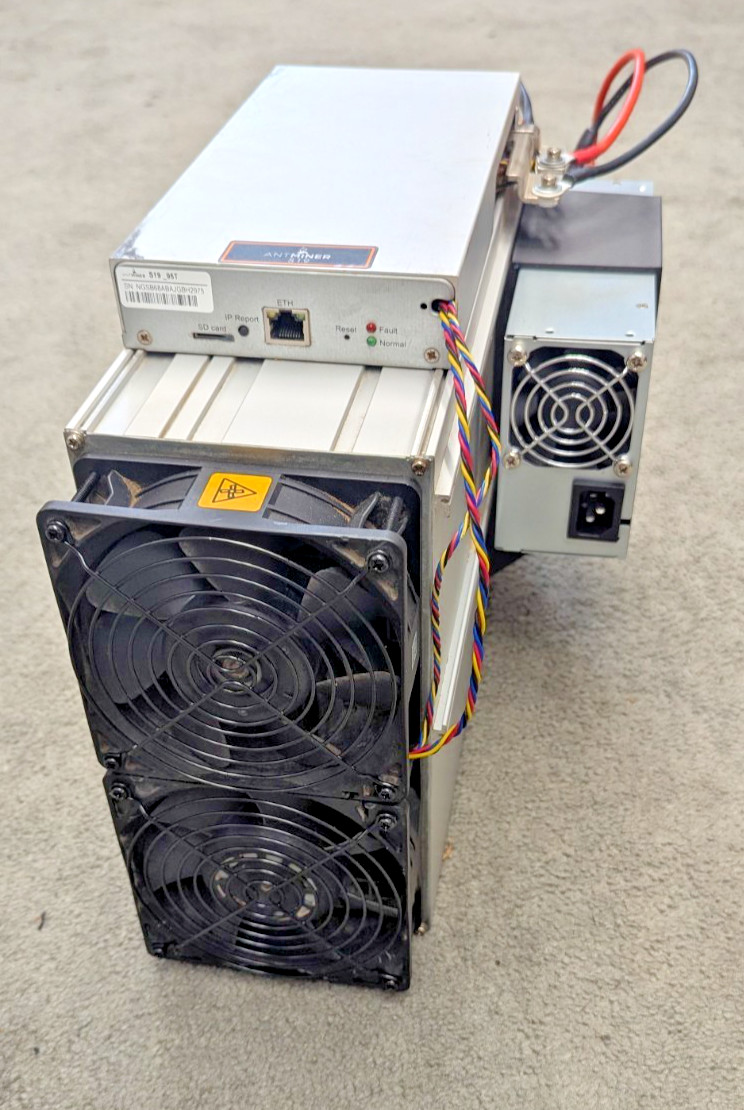
Antminer S19 95TH/s Loki Rig – 42TH 1000W Plug-and-Play 110V Home Bitcoin Miner
42 TH/s | 1000W
SHA-256 · Used
$375
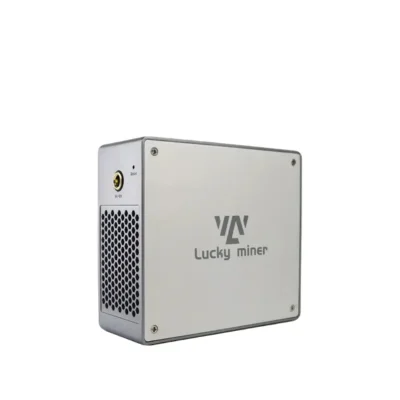
Lucky Miner LV07 Pro 3 TH/s Quiet Home Bitcoin Miner
3 TH/s | 50W
SHA-256 · New
$199
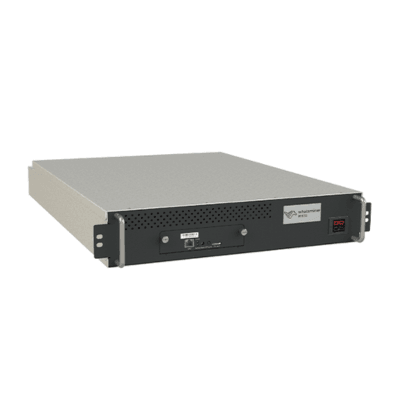
MicroBT Whatsminer M6DS++ Hydro 592 TH/s Bitcoin Miner
592 TH/s | 9200W
SHA-256 · New
$4,959
Want the numbers run for your site?
Send us your electricity rate, available amperage and budget. We will model the machines that actually pay back at your power cost — no obligation.
Talk to an engineer