
Setup & Operations · September 4, 2026 · 9 min read
Parallel Miner PSUs, Breakout Boards and ASIC Boards
Power hardware is the least glamorous and most dangerous part of mining. Server power supplies with breakout boards, replacement hashboards and control boards, and the cabling between them are what keep a fleet hashing — and what burns houses down when specified carelessly.
This guide covers how the parts fit together, how to size conductors, and how to decide between repairing a board and replacing a machine.
Server PSUs and Breakout Boards
Enterprise server PSUs deliver kilowatts of 12 V DC cheaply and reliably, and breakout boards convert their edge connectors into standard mining connectors. The combination is popular because it is inexpensive, hot-swappable and easy to source in quantity.
Check three things before buying: rated output at your input voltage — many units derate heavily on 120 V — the connector standard on the breakout board, and whether the unit needs a fan-speed or enable jumper to run outside its chassis.
Sizing Cable Properly
Current, not power, sizes conductors. At 12 V, a 3,000 W load draws 250 A, distributed across multiple leads. Use the manufacturer's specified gauge, keep runs short, avoid daisy-chaining, and never split a single lead to feed two boards. Warm connectors are a warning, discoloured ones are a failure.
Terminate properly: correct crimp tool, correct lug, correct torque. Most DC failures we see are terminations, not cable, and they show up as intermittent hashrate loss long before anything melts.
Hashboards and Control Boards
An ASIC consists of hashboards carrying the mining chips and a control board running firmware. A dead hashboard drops a third of the hashrate on a three-board machine; a dead control board stops it entirely. Both are field-replaceable and both are widely available for common models.
Repair economics are simple: if a replacement board plus labour costs less than a third of the machine's market value and the rest of the unit is healthy, repair. If chips are failing across multiple boards, the machine is telling you it has been run hot for a long time — sell it for parts.
Spares Strategy by Fleet Size
Under ten machines, keep one PSU and one fan set per model. Ten to fifty, add a hashboard and a control board per model. Above that, hold roughly two to five percent of each critical part and track failure rates so ordering becomes predictable rather than reactive.
Standardising on fewer models is the cheapest reliability upgrade available: one spares pool, one firmware, one thermal profile, one set of technician knowledge.
Safety Rules That Are Not Negotiable
Dedicated circuits sized to nameplate load with correct breakers, no domestic extension leads, no daisy-chained power strips, working smoke detection in the mining space, and a licensed electrician for anything on the AC side. Power down and unplug before touching any DC connector.
We supply PSUs, boards, fans and cable sets alongside machines so the power side is matched rather than improvised. Email the desk with your model and voltage and we will confirm exactly which parts fit.
Frequently Asked Questions
- Are server PSU and breakout board setups reliable?
- Yes, when the PSU is rated for your input voltage and the wiring is correctly sized and terminated. Most failures are cabling and crimping errors rather than the supplies themselves.
- How do I know if a hashboard is dead?
- The firmware dashboard reports a board at zero hashrate or with high chip error counts while the others run normally, and total hashrate drops by roughly its share.
- Is it worth replacing a hashboard?
- If the part and labour cost under about a third of the machine's value and the other boards are healthy, yes. Widespread chip failure means the machine is near end of life.
- Can I run a 3,000 W miner on 120 V?
- Generally no. Most high-wattage ASICs require 200 to 240 V, and many PSUs derate severely on 120 V. Only purpose-built low-wattage units are designed for standard household outlets.
- What spares should a small operator hold?
- One PSU and one fan set per model to start, adding a hashboard and control board once you pass roughly ten machines.
Recommended Miners From Our Inventory
Hardware in stock that matches this guide. Every unit is bench-tested and hashrate-verified before it ships.
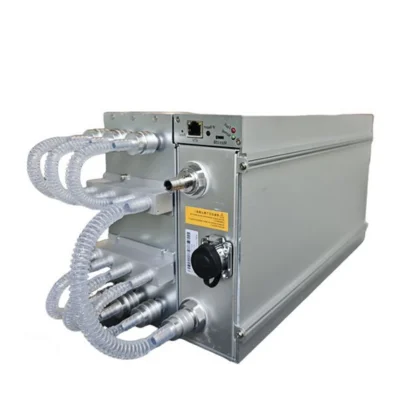
Bitmain Antminer S21j XP Hydro 495 TH/s Bitcoin Miner
495 TH/s | 5940W
SHA-256 · New
$6,579
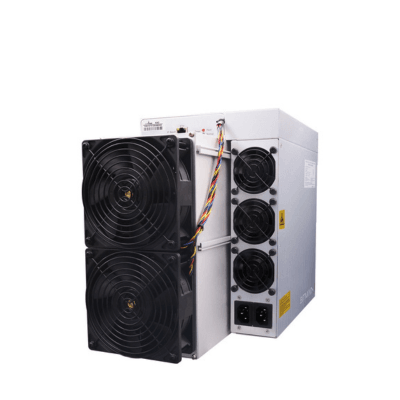
Bitmain Antminer X9 1 MH/s Monero (XMR) RandomX Miner
1000 KH/s | 2472W
RandomX · New
$6,999
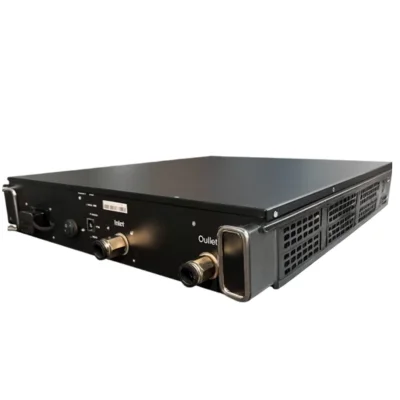
Bitmain Antminer S23e Hydro 2U 865 TH/s Bitcoin Miner
865 TH/s | 8650W
SHA-256 · New
$19,999
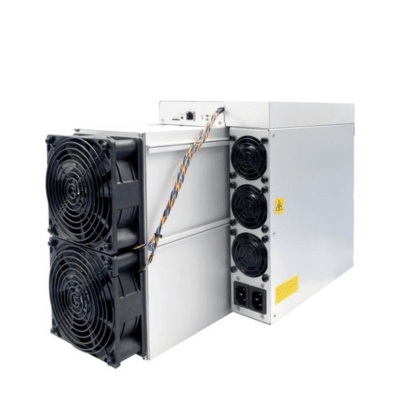
Bitmain Antminer Z15 Pro 840 KSol/s Equihash Miner
840 KSol/s | 2780W
Equihash · New
$3,899$4,299
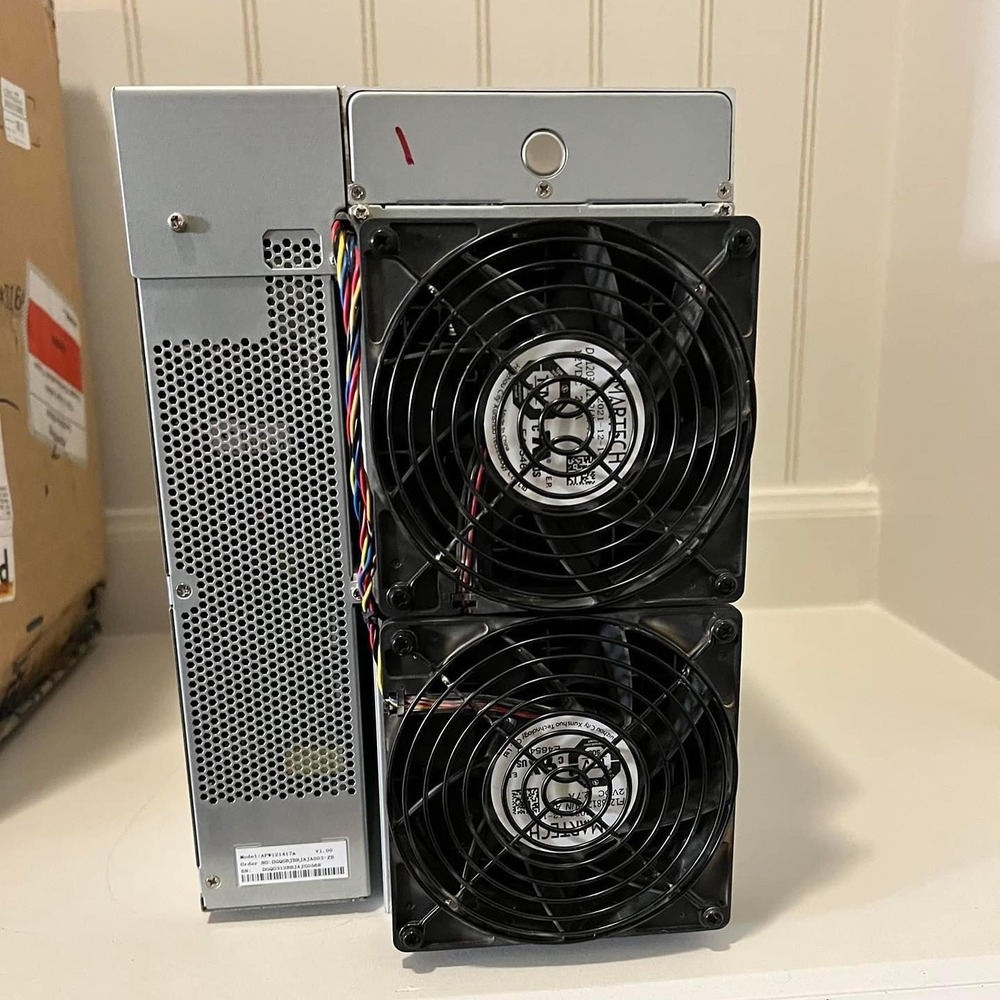
Used Bitmain Antminer L7 8.8 GH/s Litecoin Miner
8.8 GH/s | 3425W
Scrypt · Used
$5,190
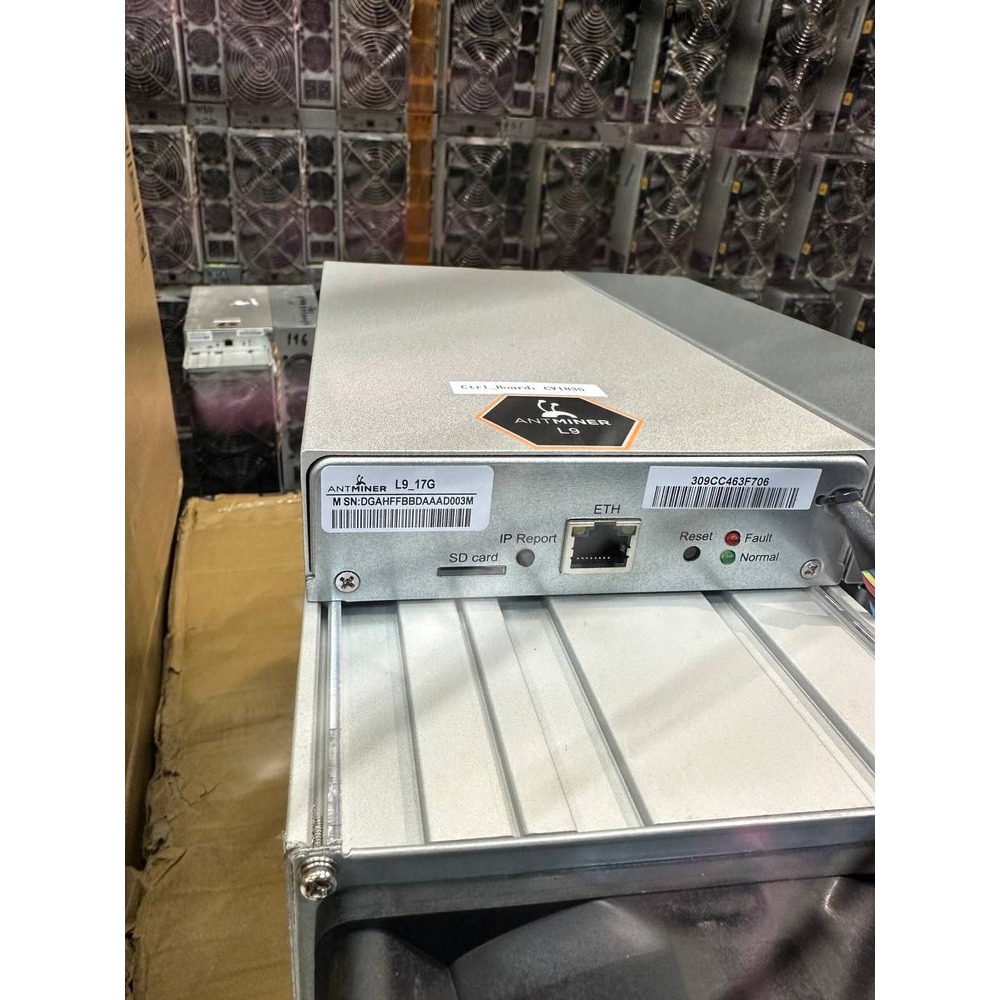
Bitmain Antminer L9 17 GH/s Scrypt Miner – Boxed, Warranty
17 GH/s | 3570W
Scrypt · Refurbished
$8,990
Want the numbers run for your site?
Send us your electricity rate, available amperage and budget. We will model the machines that actually pay back at your power cost — no obligation.
Talk to an engineer