
Setup & Operations · September 4, 2026 · 9 min read
Build Your Own ASIC Miner: What DIY Can and Cannot Do
People ask whether they can build an ASIC miner the way they would build a PC. The honest answer splits in two: you cannot fabricate competitive mining silicon, but you absolutely can build around it — controllers, power delivery, cooling, enclosures and, at small scale, complete open-source miners using harvested chips.
This guide separates what DIY genuinely achieves from what quietly wastes money, and where a build beats buying a finished machine.
Why You Cannot Build the Chip
Mining ASICs are custom silicon on leading-edge process nodes. A tape-out costs millions, the design cycle runs years, and the resulting chips only reach competitive joules per terahash at volume. This is why three or four manufacturers dominate the entire industry.
Anyone selling a plan to fabricate your own competitive mining chip is selling a story. The realistic DIY frontier is boards built around chips that already exist.
What DIY Actually Achieves
Open-source miners such as the Bitaxe family put a single modern ASIC chip on a small board with an open controller and firmware — a real, working, repairable miner at a few watts. Building one teaches power delivery, thermal design, firmware and stratum in a way no purchase does.
At the fleet level, DIY means controllers, custom fan shrouds and ducting, immersion tanks, PSU breakout boards, monitoring and automation. That work is where operators genuinely add value and cut cost.
Power Delivery Is Where Builds Go Wrong
Server PSUs plus breakout boards are a common route to cheap kilowatts, and they work when specified correctly: correct voltage rail, adequate current headroom, proper gauge cabling, secure crimps and matched connectors. They fail when someone runs undersized cable, mixes rails or leaves connectors under mechanical stress.
Undersized or poorly terminated DC wiring is the leading cause of melted connectors and fires in home mining. If you are not confident sizing conductors and torquing lugs, buy a matched PSU or use a licensed electrician.
Cooling and Enclosures Reward DIY
Ducting hot exhaust outdoors, building an intake filter box, adding a hot-aisle containment panel or converting a shed with proper intake and exhaust openings all deliver measurable improvements in hashrate stability and machine life. These are carpentry and airflow problems, not silicon problems.
Immersion is the advanced version: a sealed tank, dielectric fluid, pump, heat exchanger and careful fluid handling. It works, it reduces noise dramatically, and it demands maintenance discipline and a plan for fluid disposal.
The Sensible Split
Buy the hashing hardware, build the environment. A tested factory machine gives you warranty, known efficiency and resale value; your build effort goes into power, airflow, noise control, monitoring and automation, where competence pays back immediately.
If you want the pure DIY experience, build an open-source desktop miner alongside a real machine. You get the education without betting your capital on hand-soldered hashboards.
Frequently Asked Questions
- Can I build an ASIC miner from scratch?
- Not the chip — that requires semiconductor fabrication at scale. You can build boards, controllers, power delivery and cooling around existing chips, and open-source designs make that accessible.
- What is a mining rig, exactly?
- Any assembled machine dedicated to mining: an ASIC unit for a specific algorithm, or a multi-GPU frame for ASIC-resistant coins. In both cases the rig is hardware plus power delivery, cooling and a controller.
- Are server PSUs with breakout boards safe?
- Yes when specified and wired correctly with adequate conductor sizing and proper terminations. Undersized or badly crimped DC wiring is the main fire risk in home mining.
- Is DIY cheaper than buying a machine?
- Not for hashrate. It is cheaper for infrastructure — ducting, shrouds, containment, monitoring — where your labour replaces a vendor's margin.
- What should a first build be?
- An open-source desktop miner for learning, plus environmental work around one tested factory ASIC. That combination gives skills and revenue without risking capital on unproven boards.
Recommended Miners From Our Inventory
Hardware in stock that matches this guide. Every unit is bench-tested and hashrate-verified before it ships.
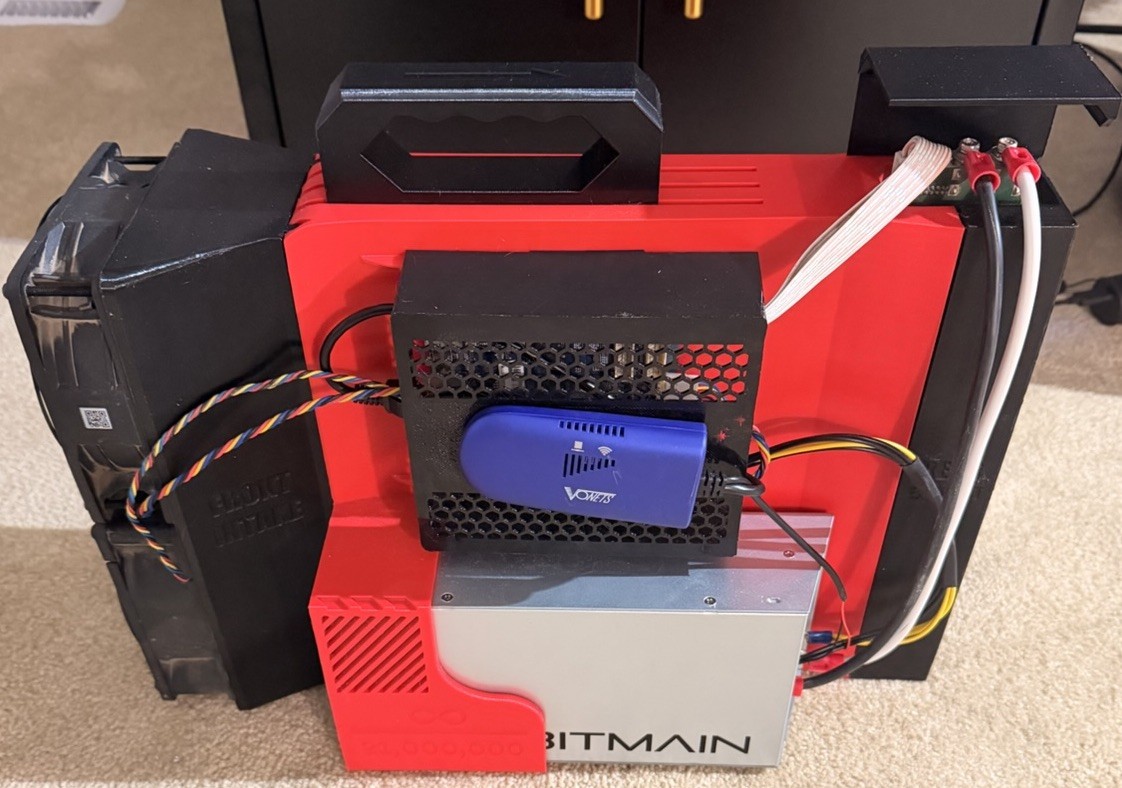
Bitmain Antminer S19 Home Miner 30TH/s – 700W, 28 J/TH, WiFi Capable Used ASIC
30 TH/s | 700W
SHA-256 · Used
$350
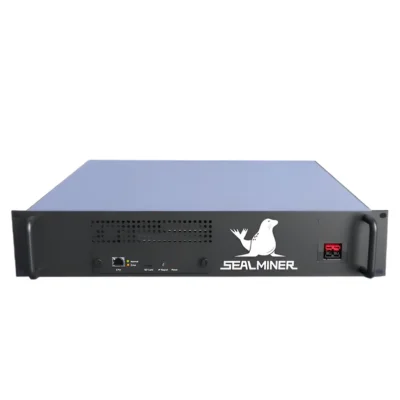
Bitdeer SealMiner DL1 Hydro 52.5 GH/s Dogecoin & Litecoin Miner
52.5 GH/s | 7823W
Scrypt · New
$9,499$9,999
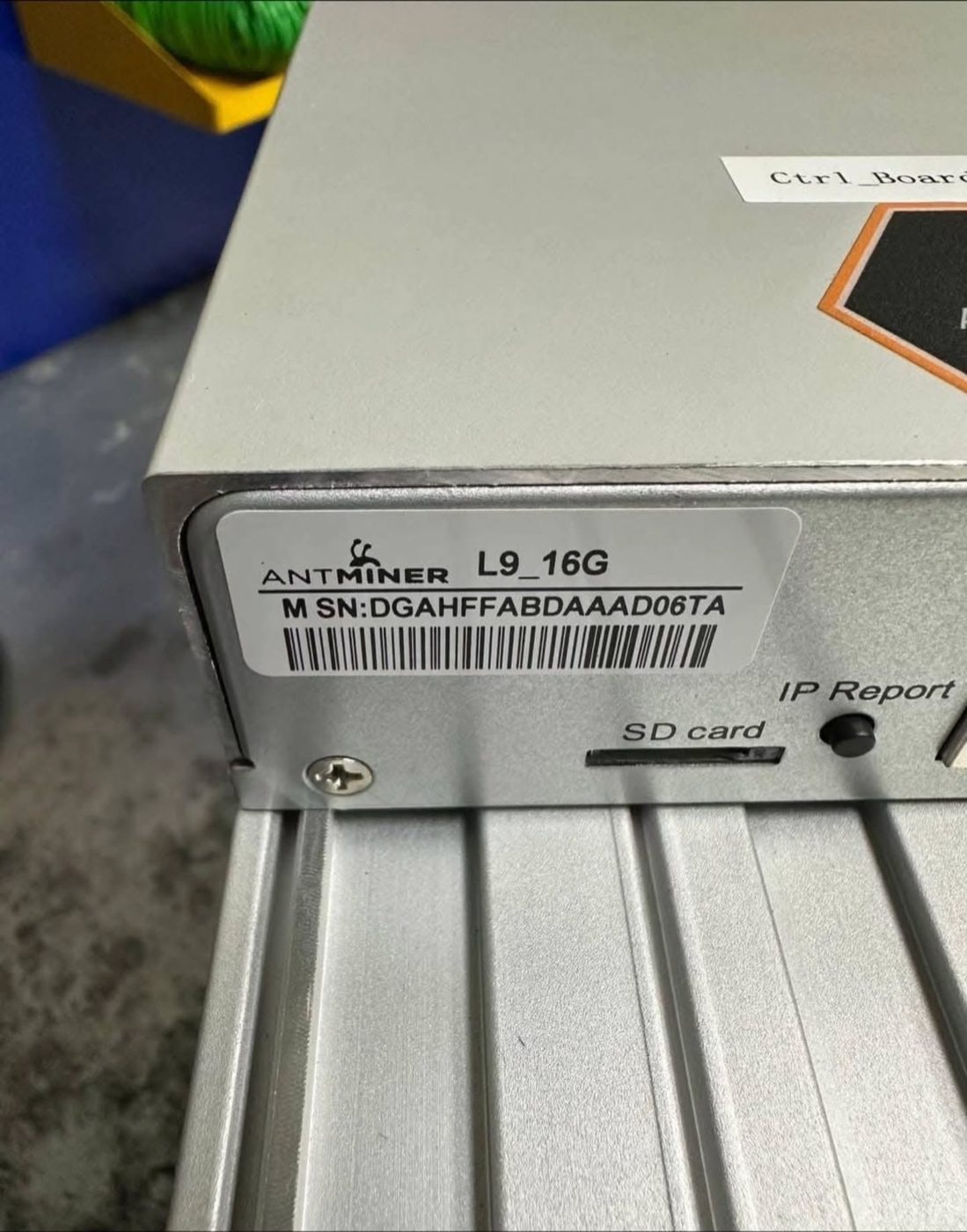
Used Bitmain Antminer L9 16 Gh/s Scrypt Dogecoin Miner
16 Gh/s | 3360W
Scrypt (DOGE & LTC) · Used
$8,990$9,450
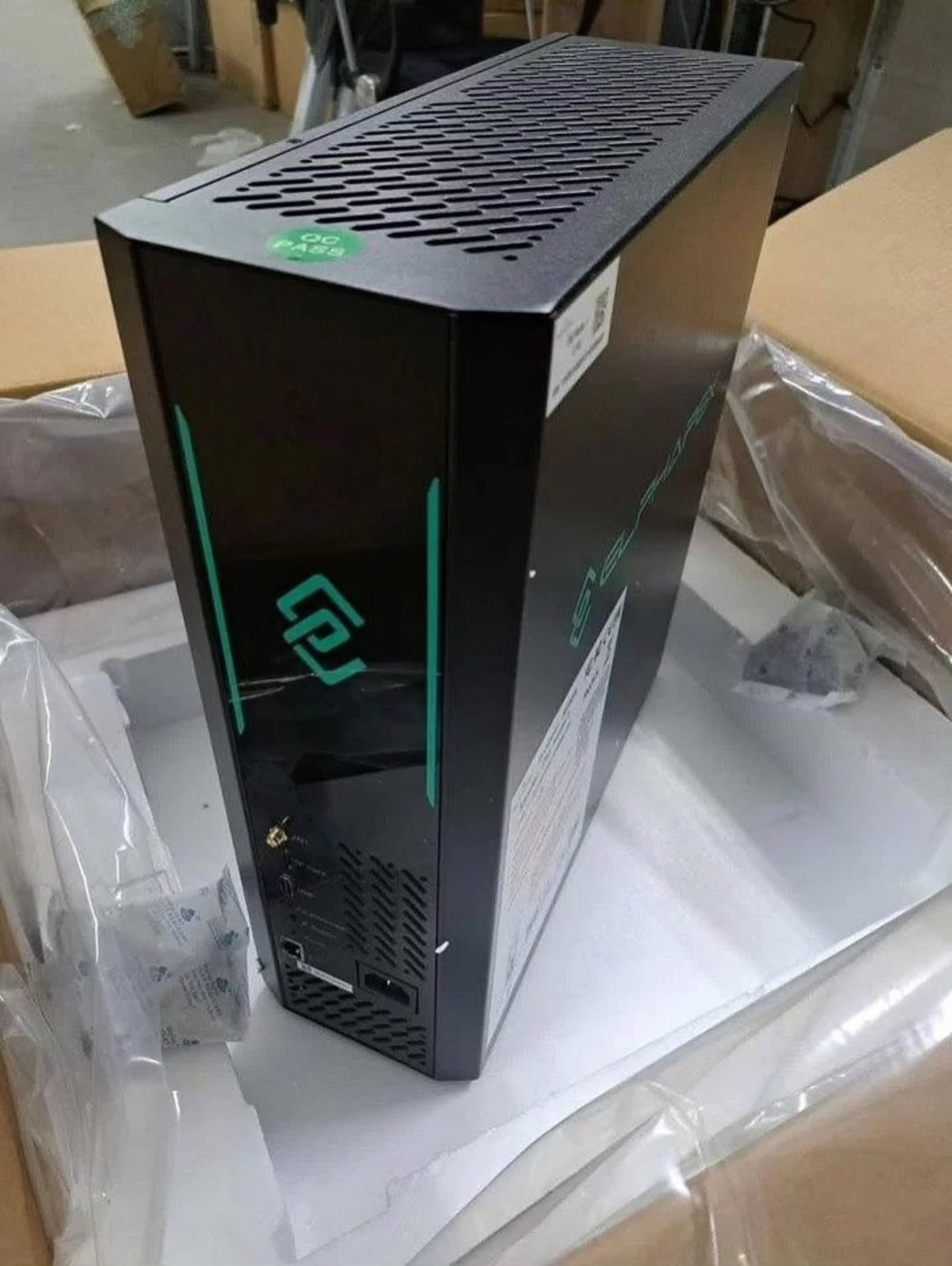
ElphaPex DG Home 2 Gh/s Quiet Dogecoin & Litecoin Miner
2 Gh/s | 620W
Scrypt (DOGE & LTC) · Used
$1,490$1,590
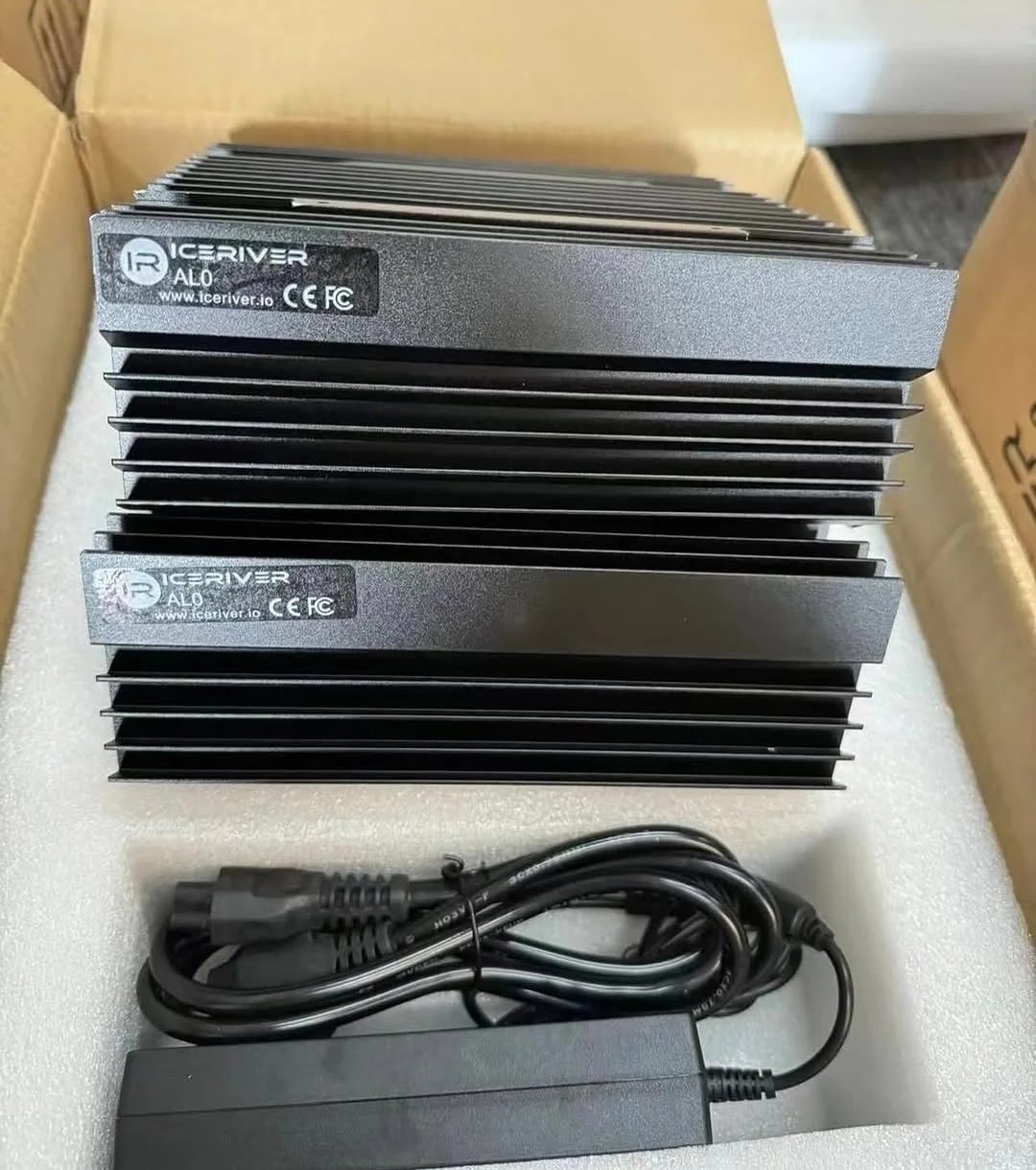
IceRiver AL0 ALEO Miner 50 Mh/s zkSNARK Prover
50 Mh/s | 100W
zkSNARK (Aleo) · Used
$590$649
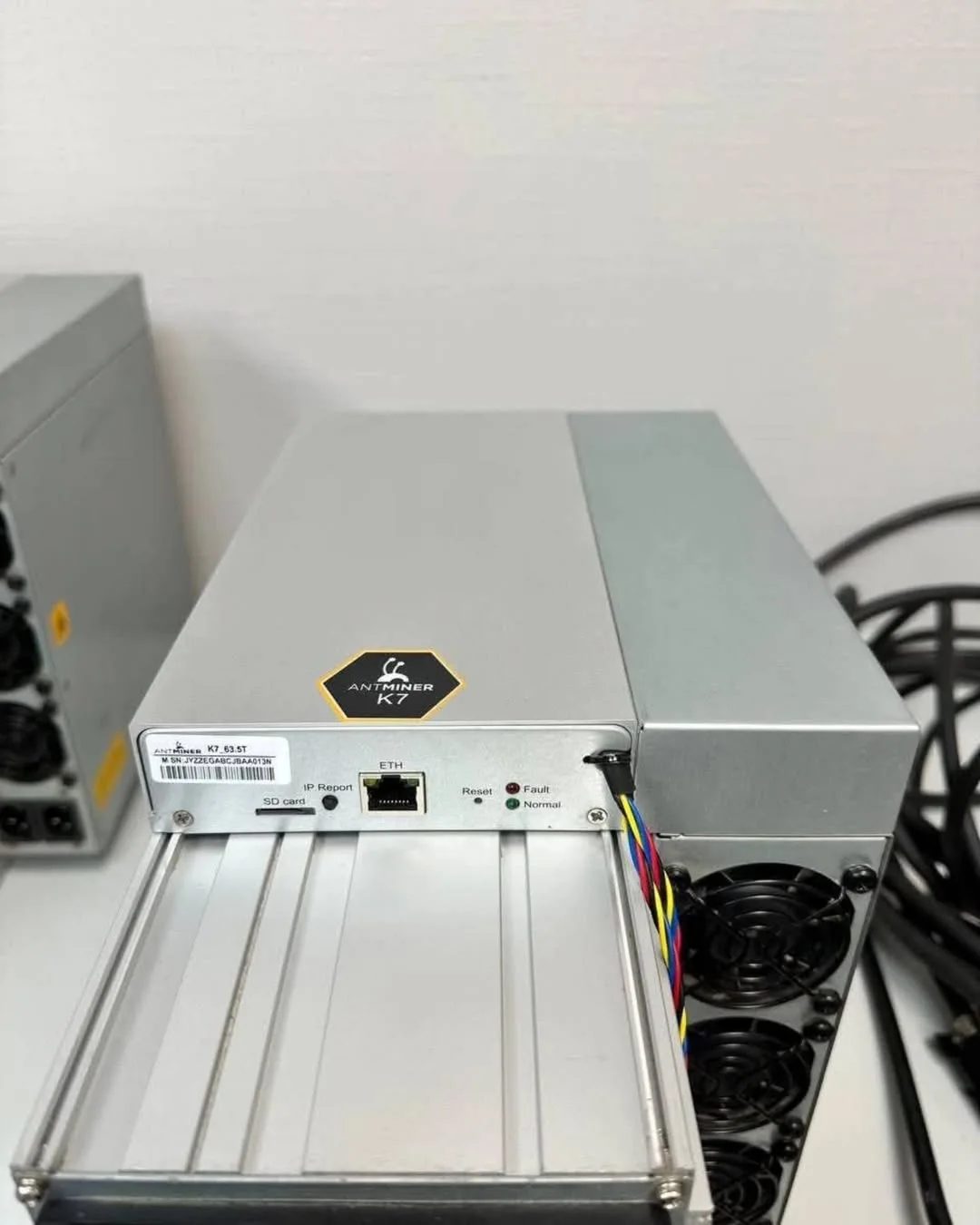
Used Bitmain Antminer K7 63.5 Th/s Nervos CKB Miner
63.5 Th/s | 3080W
Eaglesong (Nervos CKB) · Used
$1,150$1,290
Want the numbers run for your site?
Send us your electricity rate, available amperage and budget. We will model the machines that actually pay back at your power cost — no obligation.
Talk to an engineer