
Brand Reviews · September 6, 2026 · 8 min read
NerdQAxe vs Bitaxe: Desktop Solo Miners Compared
The NerdQAxe and Bitaxe are open-source desktop miners built around recycled ASIC chips. They draw tens of watts instead of kilowatts, sit silently on a desk, and let anyone hold real bitcoin hashrate at home without rewiring the house.
They are genuinely charming devices — and they are lottery tickets, not income. This comparison covers what each actually does, then sets honest expectations against a used industrial ASIC at the same price.
What These Devices Are
Both are open-hardware boards carrying one or several ASIC chips harvested from full-size miner designs, paired with a small controller, display and fan. Power draw typically ranges from around fifteen watts to roughly eighty watts depending on model and chip count.
Hashrate lands in the hundreds of gigahash to a few terahash. For context, a full-size modern ASIC produces two hundred terahash or more, so these boards represent a tiny fraction of one industrial machine's output.
NerdQAxe: More Chips, More Hashrate
NerdQAxe designs generally stack multiple ASIC chips on one board, delivering meaningfully higher hashrate than a single-chip Bitaxe while still staying quiet and desk-friendly. That makes it the choice for people who want the maximum solo hashrate a desktop device can reasonably provide.
The trade-off is higher power draw, more heat to move and a higher purchase price. It remains a hobby-scale device: multiple terahash is still a rounding error against network hashrate measured in hundreds of exahash.
Bitaxe: The Simplest Way In
The Bitaxe is a single-chip, open-source design prized for low cost, low power and hackability. It is the cheapest credible way to own real bitcoin hashrate, and its schematics and firmware are fully public, which is a large part of its appeal.
As a teaching tool it is excellent: you learn stratum, pool configuration, firmware flashing and thermal behaviour on hardware that costs less than a hashboard repair. Just do not expect it to pay a power bill.
The Odds, Stated Honestly
Solo mining pays only if your device finds an entire block. With a few terahash against a network in the hundreds of exahash, the expected wait is measured in many thousands of years — while the payoff, if it ever lands, is a full block reward.
That is the deal: near-zero probability, large prize. Buy one because you find that interesting, because you support decentralised hashrate, or because you want to learn. Never buy one expecting yield.
When a Used ASIC Is the Better Purchase
If your goal is income, the same money spent on a tested used industrial ASIC buys hundreds of times more hashrate and produces steady pool payouts. The catch is that it needs a 240 volt circuit, real ventilation and tolerance for 72 to 80 decibels.
So the decision is not about which device is better in the abstract — it is about your site. No suitable space and no tolerance for noise? A desktop solo miner is a fine hobby. Have a garage, outbuilding or hosting contract? Buy the used ASIC and earn every day.
Running Either One Well
Point the device at a solo-mining-capable pool endpoint, keep intake air unobstructed, and watch chip temperature — these small boards throttle quickly in warm rooms and often benefit from a larger heatsink or better fan than they ship with.
Update firmware from the official project repositories only, and keep the device off the public internet like any other miner. If you later want real hashrate, our used and refurbished inventory is bench-tested and condition-graded, and we ship worldwide from Hong Kong.
Frequently Asked Questions
- What is the difference between NerdQAxe and Bitaxe?
- Bitaxe is a single-chip open-source solo miner focused on low cost and low power. NerdQAxe designs use several chips for higher hashrate, at higher power draw and price.
- Can a Bitaxe or NerdQAxe actually mine a block?
- Technically yes — every share has the same chance of solving a block. Realistically the expected wait spans thousands of years, so treat it as a lottery ticket rather than income.
- How much power do desktop solo miners use?
- Roughly fifteen to eighty watts depending on model and chip count, which is why they run quietly on a desk with no electrical work required.
- Is a used ASIC better than a desktop solo miner?
- For earning, yes by a wide margin — hundreds of times more hashrate and steady pool payouts. But it needs a 240 V circuit, ventilation and somewhere that tolerates loud fans.
Recommended Miners From Our Inventory
Hardware in stock that matches this guide. Every unit is bench-tested and hashrate-verified before it ships.
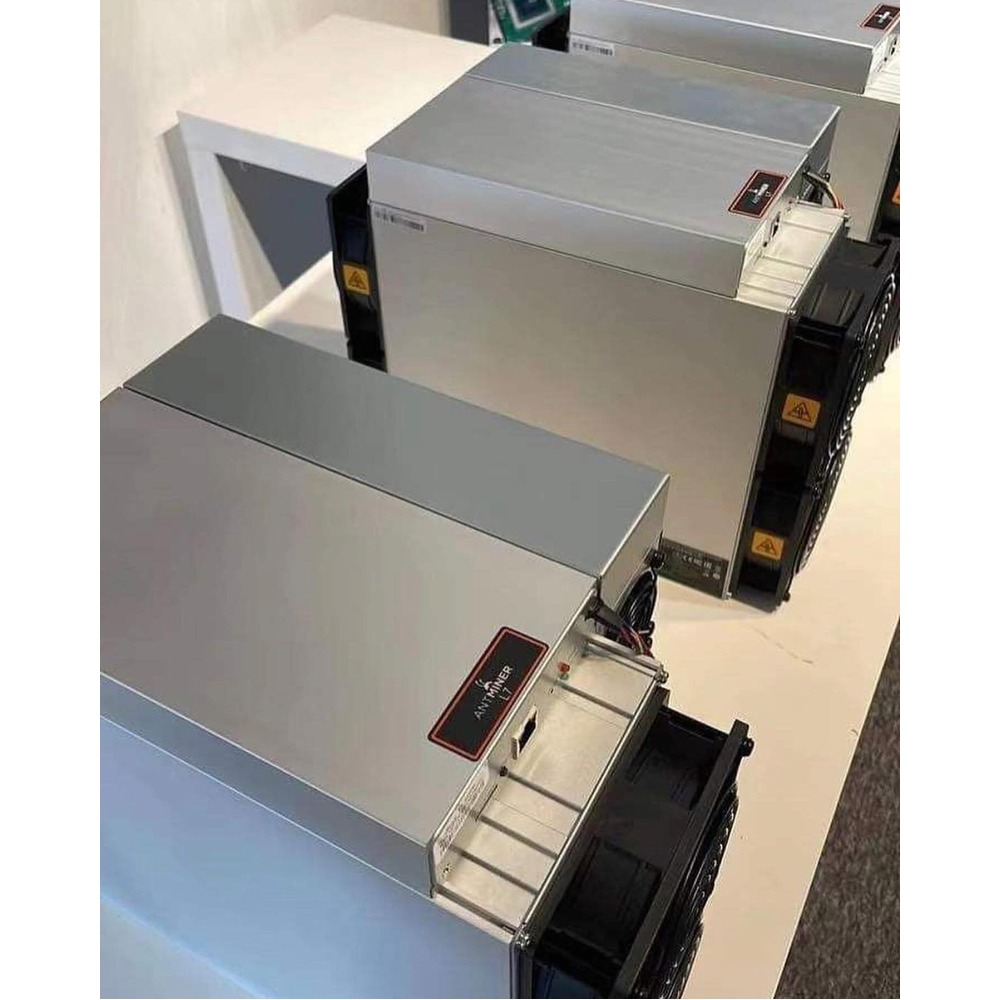
Used Bitmain Antminer L7 9.5 GH/s Litecoin Dogecoin Miner
9.5 GH/s | 3425W
Scrypt · Used
$5,990
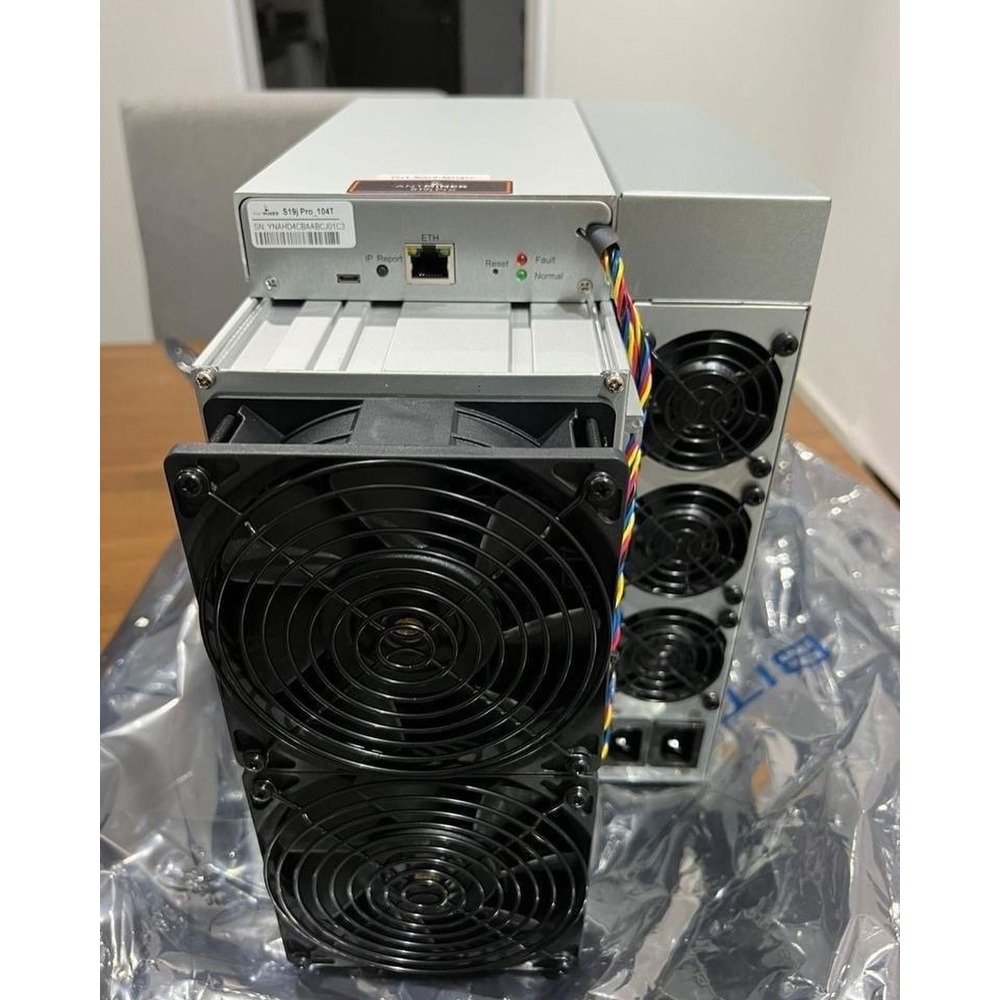
Used Bitmain Antminer S19j Pro 104 TH/s Bitcoin Miner
104 TH/s | 3068W
SHA-256 · Used
$749
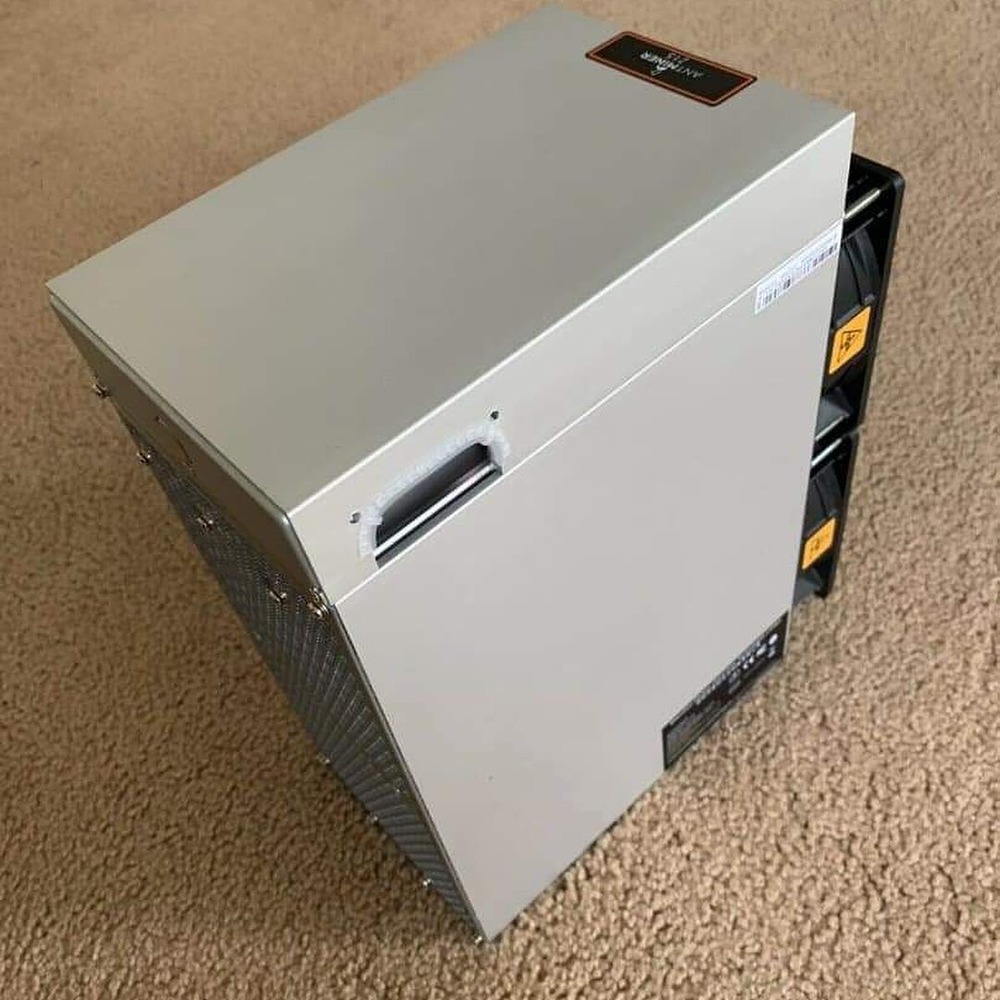
Used Bitmain Antminer L7 9.3 GH/s Scrypt Miner
9.3 GH/s | 3425W
Scrypt · Used
$5,790
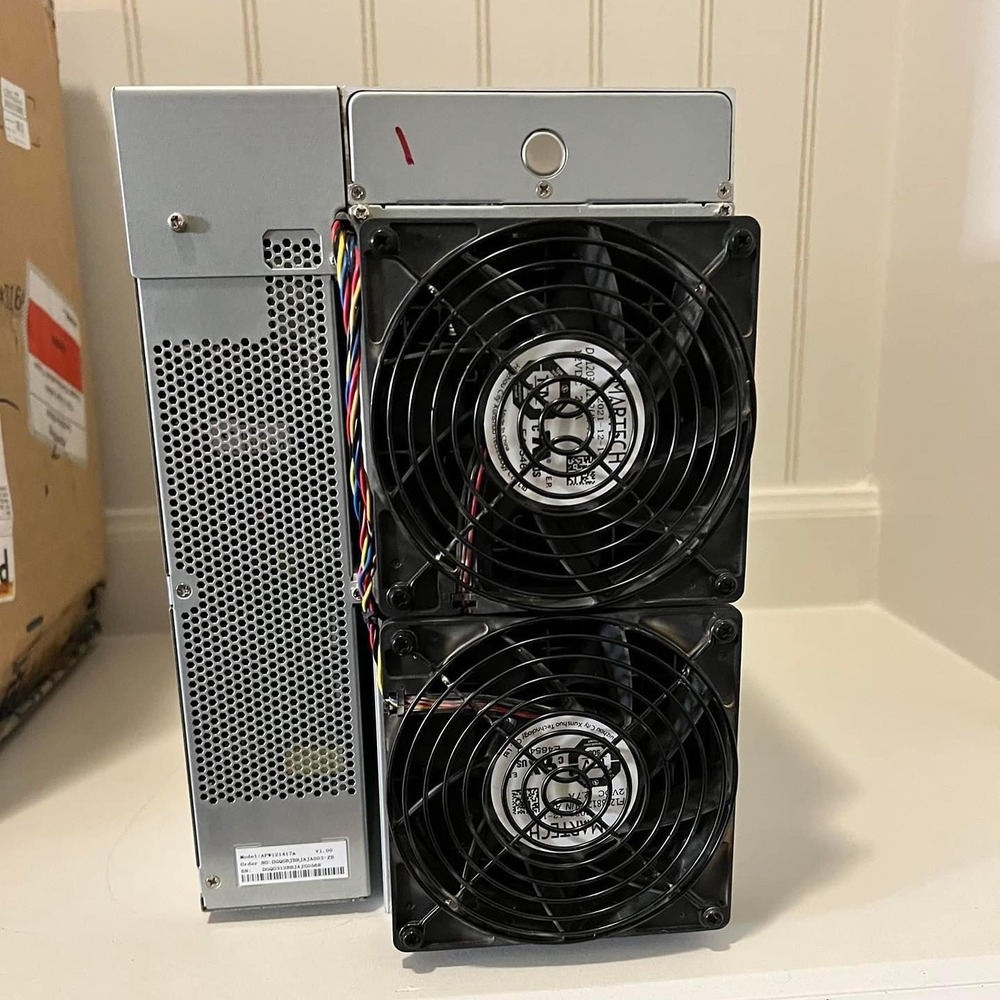
Used Bitmain Antminer L7 8.8 GH/s Litecoin Miner
8.8 GH/s | 3425W
Scrypt · Used
$5,190
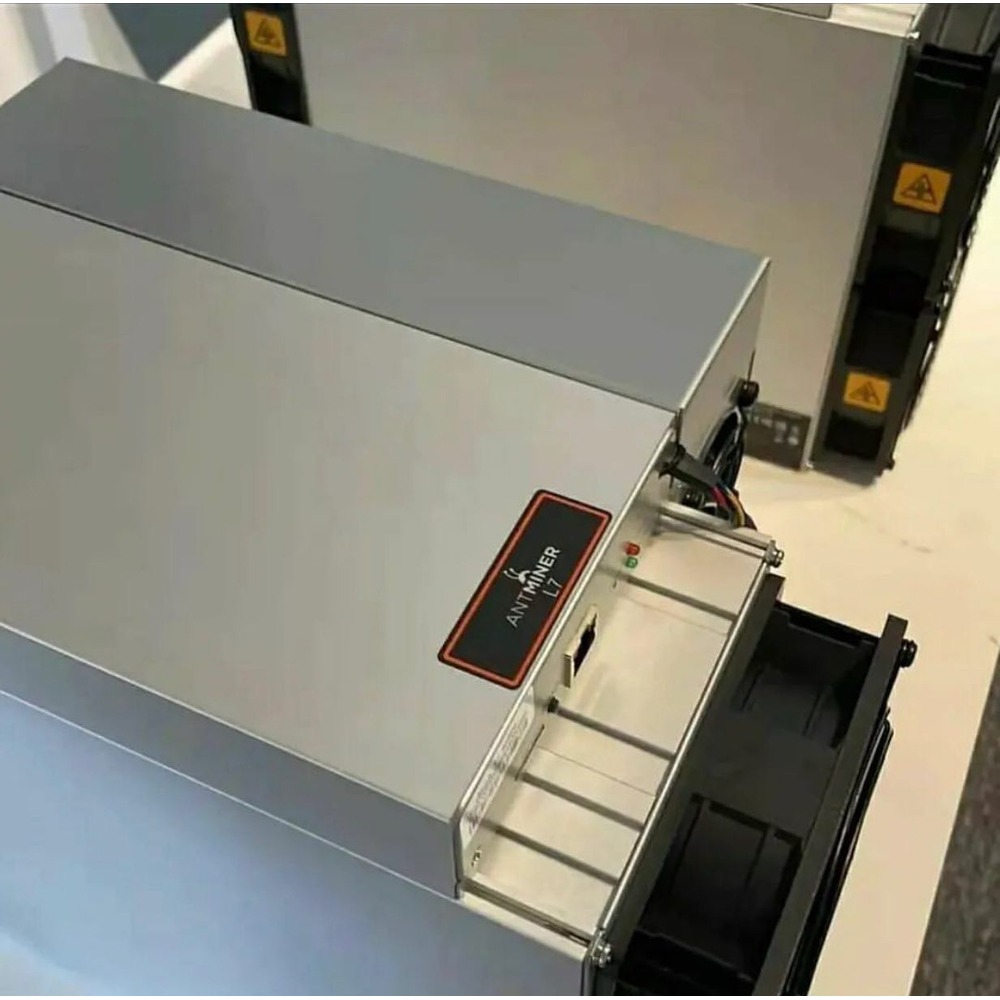
Used Bitmain Antminer L7 9.16 GH/s Dogecoin Miner
9.16 GH/s | 3425W
Scrypt · Used
$5,590
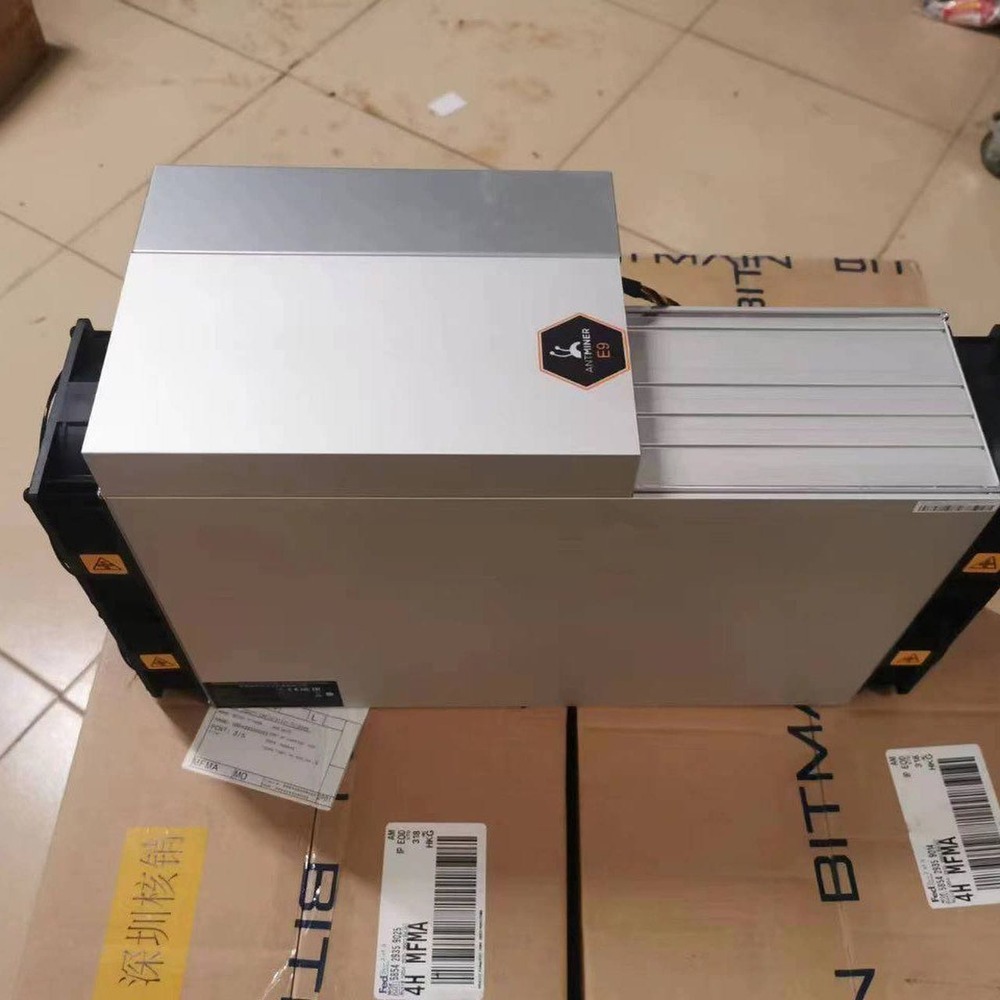
Used Bitmain Antminer E9 Ethash Miner – Worldwide Stock
2400 MH/s | 1920W
Ethash · Used
$1,490
Want the numbers run for your site?
Send us your electricity rate, available amperage and budget. We will model the machines that actually pay back at your power cost — no obligation.
Talk to an engineer