
Setup & Operations · September 4, 2026 · 9 min read
Exahash Mining: Scaling From Terahash to Exahash
An exahash per second is one million terahashes. Framed that way, the engineering becomes obvious: with modern machines producing a few hundred terahashes each, 1 EH/s means thousands of units, tens of megawatts, and an organisation rather than a hobby.
This guide maps the milestones from a single machine to petahash and exahash scale, and what changes at each step in power, cooling, staffing and capital.
The Arithmetic of Scale
A 200 TH/s machine at roughly 3,500 W means 1 PH/s needs about five machines and 17 kW. 1 EH/s needs roughly 5,000 machines and around 17 MW before auxiliaries. Add ten to fifteen percent for fans, pumps, lighting and losses, and you are shopping for a 20 MW interconnect.
Efficiency changes the electrical bill, not the machine count: a 15 J/TH fleet at 1 EH/s draws about 15 MW, while a 25 J/TH fleet draws about 25 MW for identical hashrate. That difference is the entire business case for buying current-generation hardware at scale.
What Changes at Each Milestone
Up to about 100 TH/s, one machine on a dedicated circuit — a household project. To 1 PH/s, a handful of machines needing a small three-phase supply, real ventilation and pool-side monitoring. To 10 PH/s, a dedicated building or container, switchgear, fleet management software and a spares inventory.
Beyond that, you are running an industrial site: substation-grade interconnect, redundant networking, on-site technicians, formal maintenance schedules, physical security and a repair bench. The transition from hobby to operation happens somewhere around 10 to 50 machines.
Power Is the Binding Constraint
Machines are available; megawatts are not. Interconnect studies, transformer lead times and grid queue positions dominate project schedules, and the cheapest power is usually where infrastructure is hardest. Secure power first, then buy hardware to fit it — never the reverse.
Negotiate on rate, curtailment terms and reliability together. A slightly higher rate with fewer forced outages often beats a headline cheap tariff with frequent curtailment, unless you are paid to curtail.
Cooling and Density Decisions
Air cooling scales to a few megawatts comfortably in moderate climates. Beyond that, or in hot climates, hydro and immersion win on density, hashrate stability and noise, at the cost of pumps, heat exchangers, fluid handling and more skilled maintenance.
Density also drives layout: hot-aisle containment, filtration, and dust management determine whether your machines hit rated hashrate in month eighteen or drift down from month three.
Buying at Scale
At scale, procurement is about delivered cost per terahash, warranty terms, spares availability and batch consistency — not headline unit price. Standardise on one or two models to keep firmware, spares and technician knowledge simple.
We supply fleet quantities from Hong Kong with matched PSUs, spares packages and freight documentation for USA, Canada, Europe and Asia. Send your available megawatts, voltage and target efficiency and we will quote configurations that fit the power you actually hold.
Frequently Asked Questions
- How many miners make 1 EH/s?
- Roughly 5,000 machines at 200 TH/s each, drawing about 17 to 20 MW including auxiliaries. Higher-hashrate units reduce the count but not the power much.
- What is a petahash in machine terms?
- About five modern 200 TH/s units, or roughly 17 kW — achievable in a well-built garage or a small container.
- Does efficiency matter more at scale?
- Yes. At 1 EH/s, every joule per terahash difference is megawatts of continuous load and millions in annual electricity cost.
- What limits growth for most operators?
- Power. Interconnects, transformers and grid queues take far longer than buying machines, so secure megawatts before hardware.
- When should I move from air to liquid cooling?
- When ambient temperatures throttle your fleet, when noise becomes a constraint, or when density limits your site. Hydro and immersion hold rated hashrate that air cooling loses in heat.
Recommended Miners From Our Inventory
Hardware in stock that matches this guide. Every unit is bench-tested and hashrate-verified before it ships.
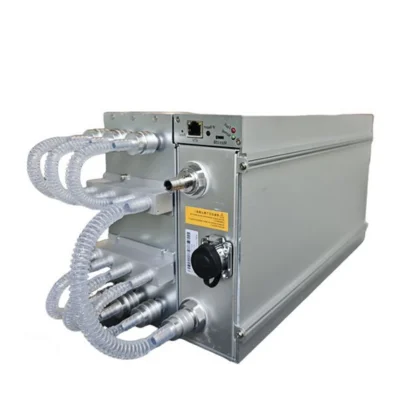
Bitmain Antminer S21j XP Hydro 495 TH/s Bitcoin Miner
495 TH/s | 5940W
SHA-256 · New
$6,579
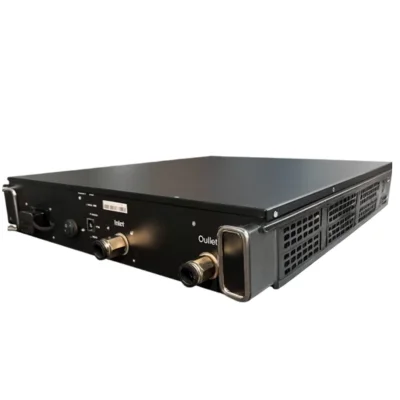
Bitmain Antminer S23e Hydro 2U 865 TH/s Bitcoin Miner
865 TH/s | 8650W
SHA-256 · New
$19,999
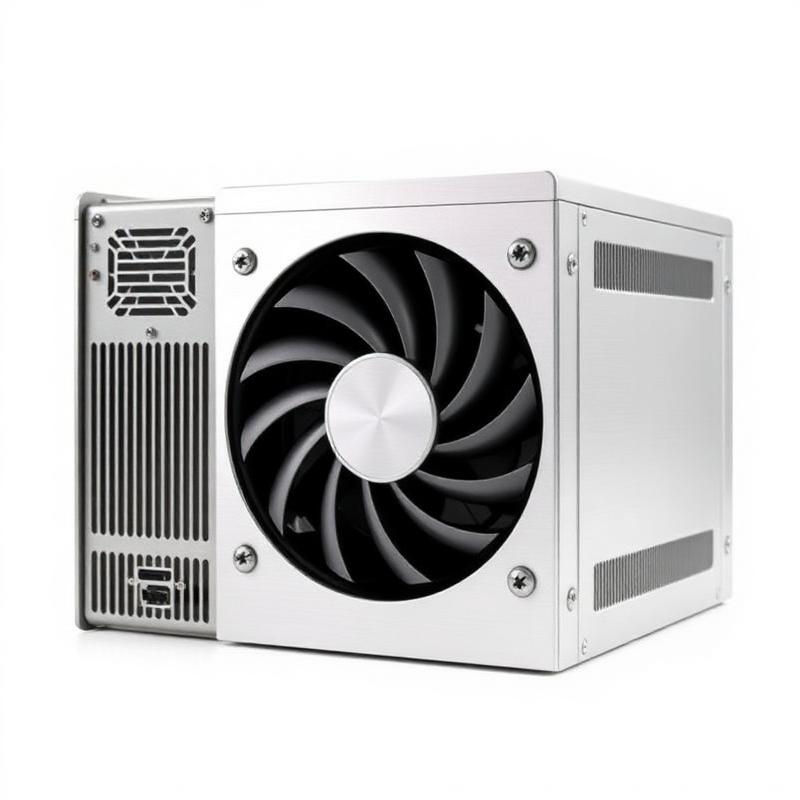
Bitmain Antminer S21 XP Hyd 473 TH/s Hydro Bitcoin Miner
473 TH/s | 5676 W
SHA-256 · New
$8,650$9,200
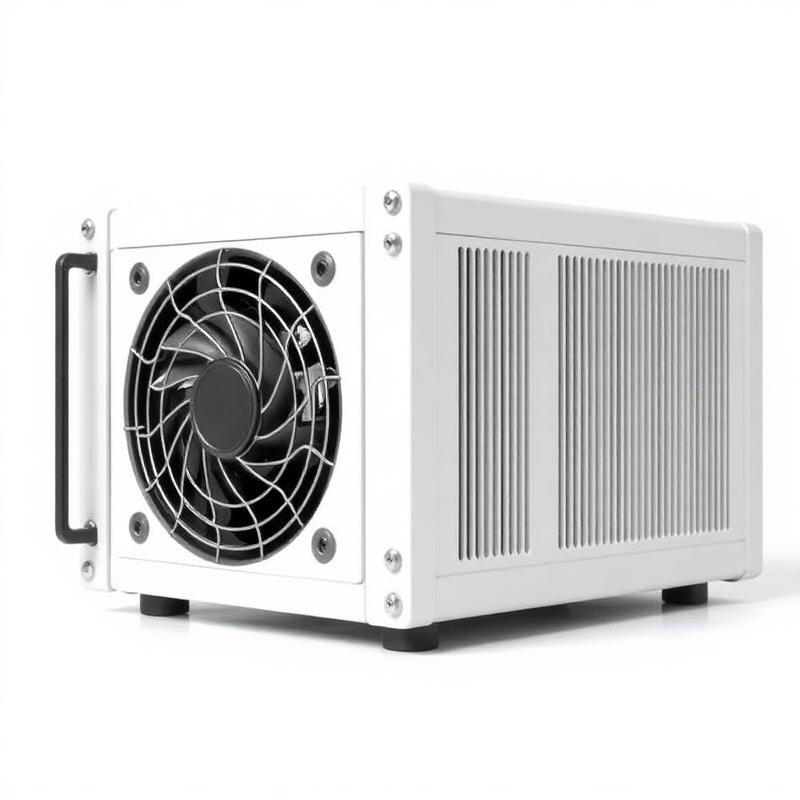
Bitmain Antminer S19 XP+ Hydro 558 TH/s Bitcoin Miner
558 TH/s | 10600 W
SHA-256 · New
$5,950$6,400
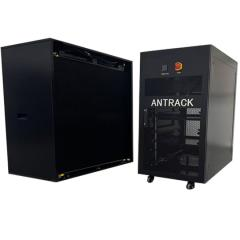
ANTRACK V2-EC2-DT
1Set24kW4 Standard Hydro-cooling ANTMINER | -
- · New
$2,888
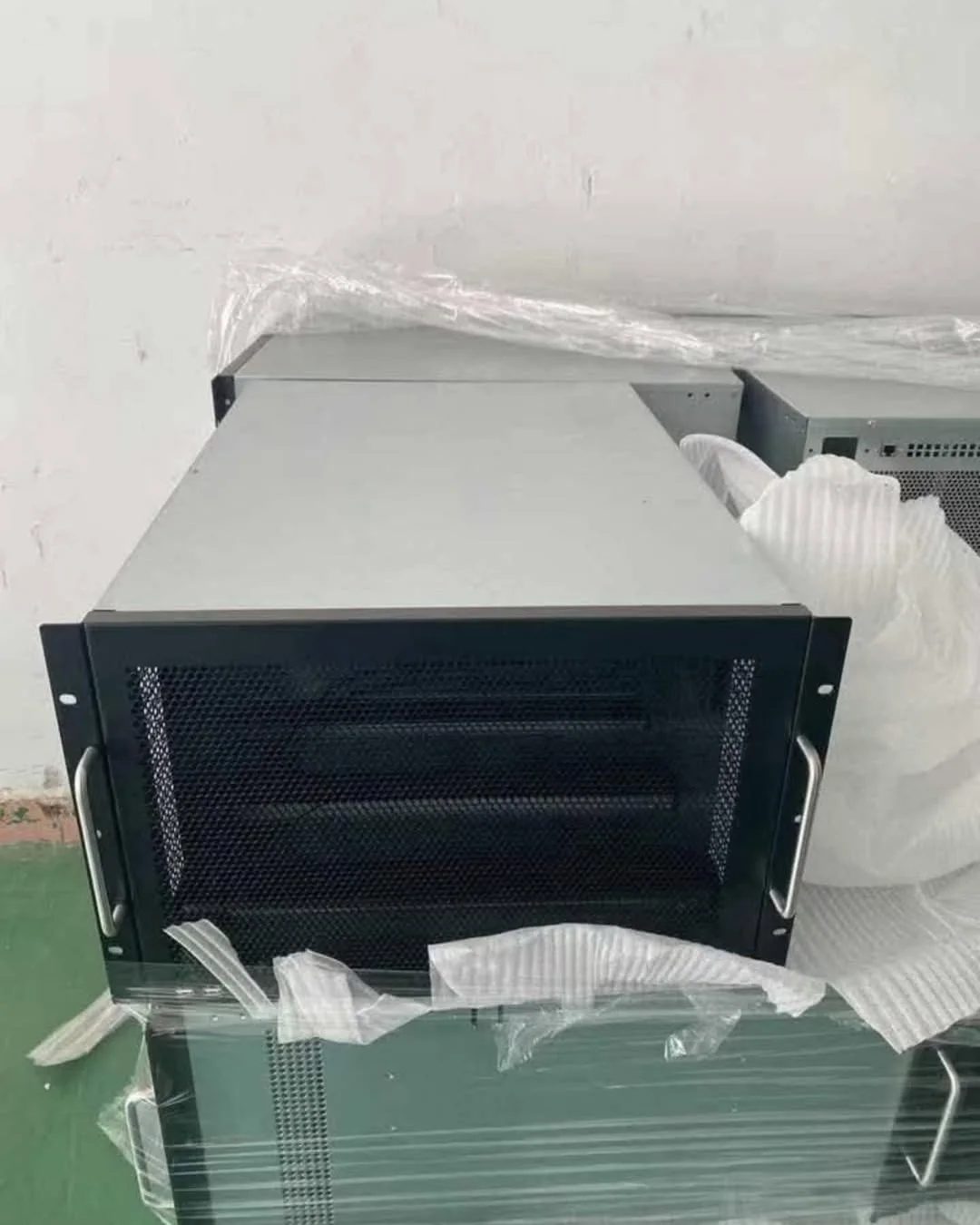
Used Bitmain Antminer L9 17 Gh/s Hydro Conversion with 12kW Radiator Kit
17 Gh/s | 3570W
Scrypt (DOGE & LTC) · Used
$11,290$11,900
Want the numbers run for your site?
Send us your electricity rate, available amperage and budget. We will model the machines that actually pay back at your power cost — no obligation.
Talk to an engineer