
Profitability · September 4, 2026 · 9 min read
Bitcoin Mining Profitability in April 2026: What Changed
Between March and April 2026 nothing about the physics changed — but three inputs did: network difficulty, transaction fee share of block revenue, and the hosting rates operators are quoting per kilowatt. Each moves margin without touching your hardware.
Here is how to re-baseline your model for April, what shifted for each machine tier, and the decision points that matter if you are buying, hosting or curtailing this month.
Difficulty Keeps Compounding, Quietly
Every upward difficulty adjustment reduces revenue per terahash for every miner on earth simultaneously. Two or three consecutive adjustments of one to two percent look small individually and remove five percent of your revenue collectively. If you last modelled in Q1, your margin is thinner than your spreadsheet says.
Rebuild from current hashprice rather than adjusting last month's number by feel. Then check the gap between your machine's break-even power rate and your actual rate — that gap is your entire safety margin.
Fee Revenue Is the Swing Factor
Transaction fees are the volatile part of block revenue. In busy periods fees add a meaningful percentage on top of subsidy, which flatters marginal hardware; in quiet weeks they collapse toward nothing. Never build a purchase case on an elevated fee month.
Model your base case on subsidy plus a conservative fee assumption, and treat fee spikes as upside that funds spares and maintenance rather than as the reason a machine works.
What Each Tier Looks Like This Month
Flagship hardware at 12 to 18 J/TH keeps the widest buffer and remains the only sensible choice above roughly ten cents per kilowatt hour. Mid-tier machines at 21 to 29 J/TH still deliver the fastest payback under about six cents because their entry price is so much lower per terahash.
Legacy hardware above 40 J/TH is a curtailment or heat-reuse play only. If you are running it on a metered commercial tariff, April is the month to model powering it down and reallocating the circuit.
Hosting Versus Home in April
Hosting quotes move with regional power markets and available rack capacity. When hosted all-in rates sit near your home tariff, hosting wins on uptime, security and noise; when they sit well above it, self-hosting wins if you can handle the heat and the sound.
Ask any facility for the all-in rate including infrastructure fees, the uptime guarantee, the curtailment policy and who pays for repairs. A cheap per-kilowatt headline with punitive extras is not cheap.
Actions Worth Taking Now
Retune firmware for efficiency rather than maximum hashrate, clean intake filters, verify fan health, and reseat any hashboard showing chip errors — each of these buys back percentage points that difficulty just took. Then decide whether to add efficient capacity or hold cash.
If you are adding capacity, buy on delivered cost per terahash within the tier your power rate allows. Our stock pages list efficiency and wall draw on every unit, and the desk will run the April payback with you before you commit.
Frequently Asked Questions
- Did mining get less profitable in April 2026?
- Revenue per terahash drifts down as difficulty rises, so unless Bitcoin price or fees rose faster, margins tightened. Efficient hardware absorbed it; legacy hardware felt it immediately.
- Should I power down old machines?
- If gross revenue is below electricity cost at your rate, yes — every hour of runtime destroys value. Keep them as standby capacity for cheap-power windows or sell them while they still hold parts value.
- Is now a good time to buy hardware?
- It is when your power rate supports the tier you are buying and you can hold through difficulty growth. Buy efficiency, not headline hashrate, and negotiate on delivered price per terahash.
- How do fees affect my model?
- Fees can add a substantial share of block revenue in busy weeks and nearly nothing in quiet ones. Use a conservative fee assumption in the base case so a quiet month does not break your plan.
- What margin is healthy?
- Power costs under roughly sixty percent of gross revenue. That leaves headroom for difficulty growth, downtime and repairs without turning cash-flow negative.
Recommended Miners From Our Inventory
Hardware in stock that matches this guide. Every unit is bench-tested and hashrate-verified before it ships.

Bitmain Antminer AL1 16.6 Th/s ALPH Miner
16.6 Th/s | 3730W
Blake3 · New
$14,284
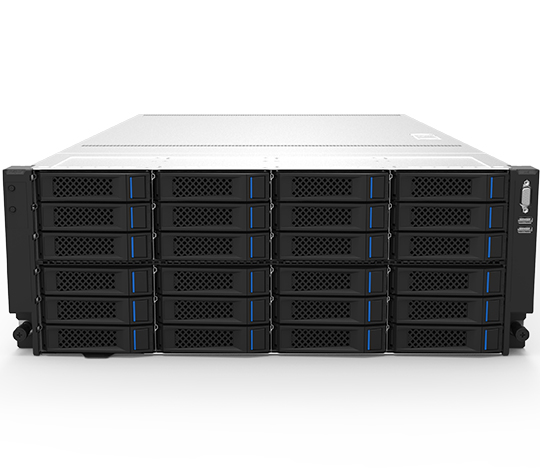
Bitmain Antminer On-Rack Filecoin Miner 4300T FIL Miner
4300T | -
PoST · New
$8,888
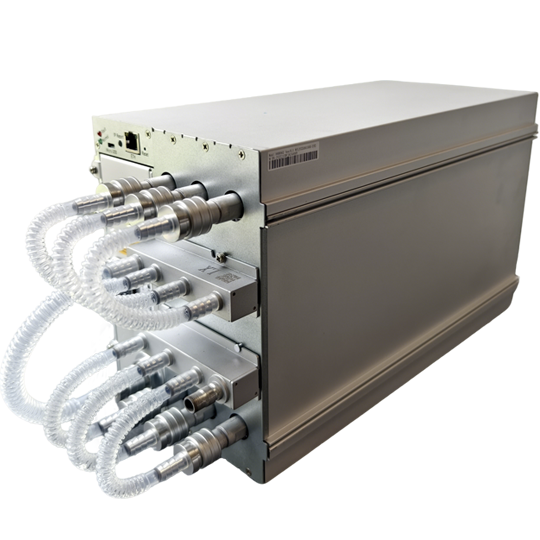
Bitmain Antminer S23 Hyd. 580 Th/s Bitcoin Miner
580 Th/s | 5510W
SHA-256 (Bitcoin) · New
$17,400
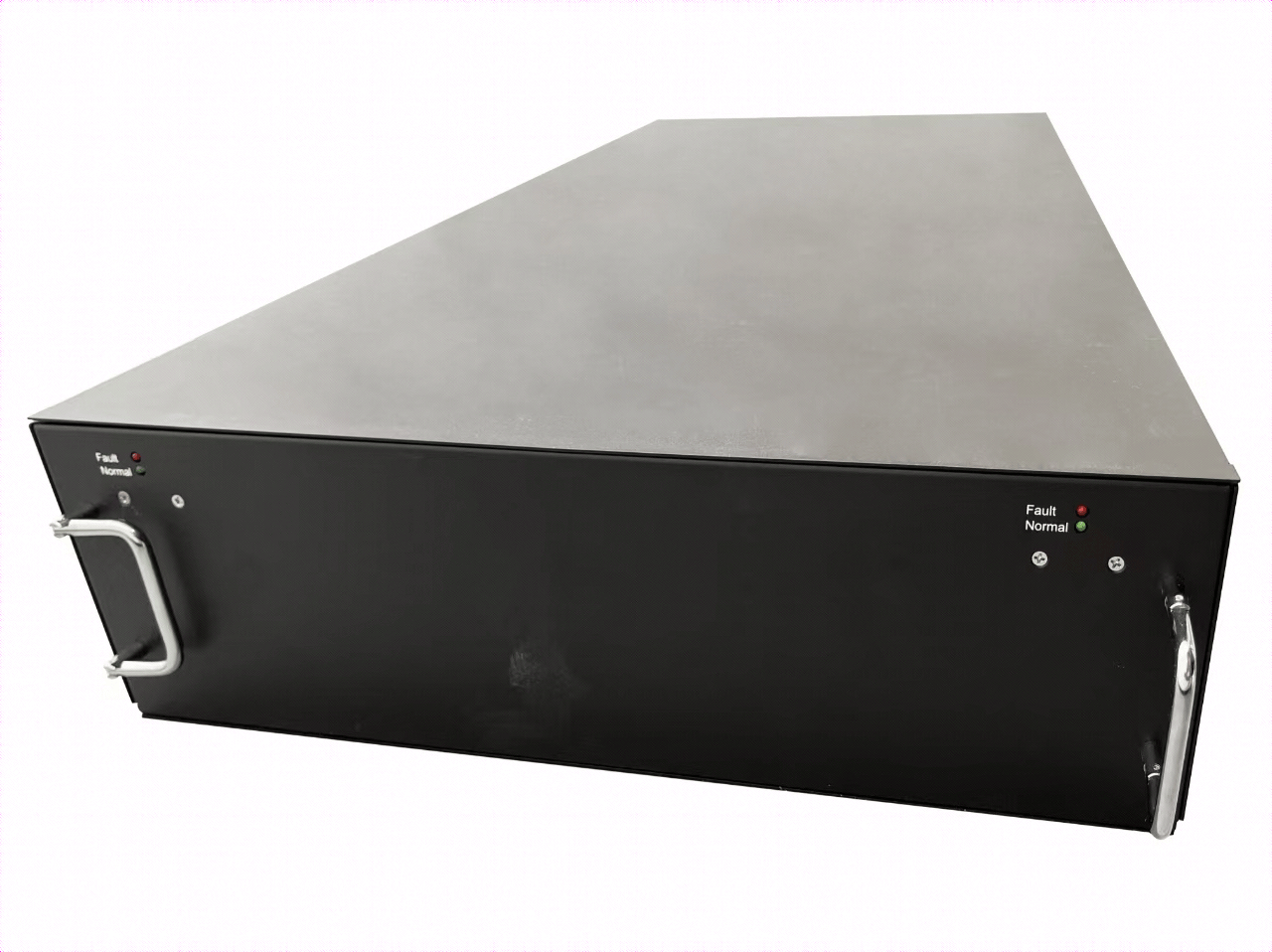
Bitmain Antminer U3S23H 1160 Th/s Bitcoin Miner
1160 Th/s | 11020W
SHA-256 (Bitcoin) · New
$34,800
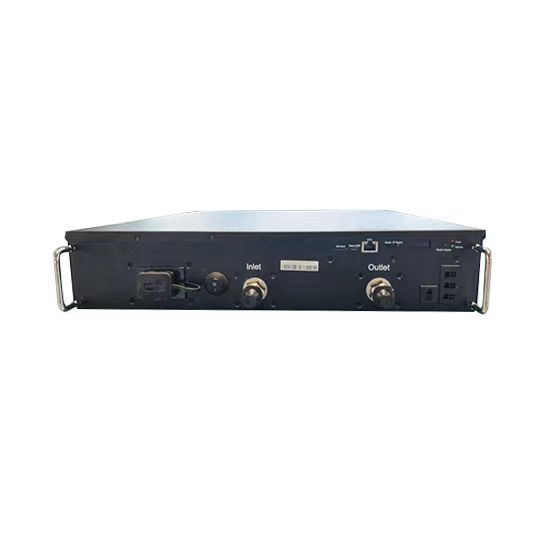
Bitmain Antminer L11 HU2 35 Gh/s LTC Miner
35 Gh/s | 5775W
Scrypt · New
$16,415
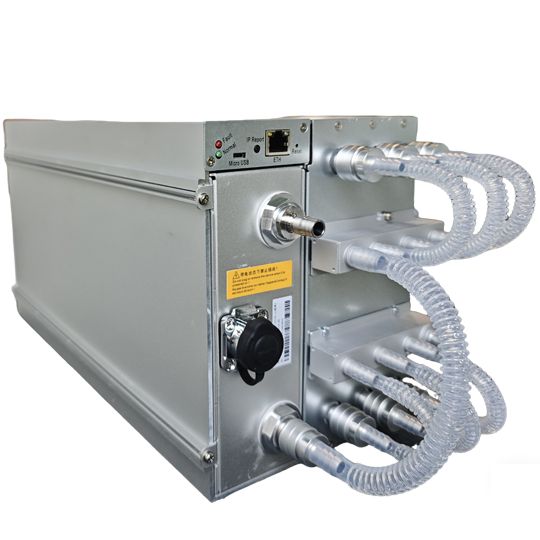
Bitmain Antminer S21 XP+ Hyd. 480 Th/s Bitcoin Miner
480 Th/s | 5280W
SHA-256 (Bitcoin) · New
$9,120
Want the numbers run for your site?
Send us your electricity rate, available amperage and budget. We will model the machines that actually pay back at your power cost — no obligation.
Talk to an engineer