
Profitability · September 4, 2026 · 8 min read
Bitaxe, NerdMiner and Lucky Miner: Lottery Mining Math
Open-source desktop miners — Bitaxe, NerdMiner v2 and v3, Lucky Miner LV07 and their clones — occupy a category of their own. They draw single-digit to low tens of watts, are silent enough for a living room, and produce hashrate measured in gigahashes to a few terahashes. Their appeal is sovereignty and fun, not yield.
Here is the honest math: what these devices earn in a pool, what the solo-block lottery actually looks like, and how to decide whether the electricity is worth it.
Expected Value Is Simple to Calculate
Daily expected revenue equals your hashrate divided by network hashrate, multiplied by daily network revenue. Run that with a few hundred gigahashes to a few terahashes against a network measured in hundreds of exahashes, and the result is a small fraction of a cent to a few cents per day.
Now subtract power. A 15 W device costs roughly a few cents per day at typical residential rates. For most open-source miners, pool-mode expected revenue does not cover the electricity — the deficit is small, but it is a deficit.
Solo Mode Is a Lottery, and That Is the Point
In solo mode you are not buying yield, you are buying tickets. Probability of finding a block over a year is a small fraction of a percent for a device in this class, but the payoff is the entire block reward plus fees. Several hobbyists have genuinely hit blocks, which is why the community exists.
Treat solo mining on a small device as entertainment spending with a lottery-shaped distribution. The correct budget is what you would spend on a hobby, and the correct expectation is zero with a tiny chance of something remarkable.
Comparing the Popular Boards
Bitaxe designs centre on a single modern ASIC chip harvested from current-generation hardware, delivering the best hashrate per watt in the category and appealing to people who want open hardware they can repair and modify. NerdMiner v2 and v3 optimise for cost and simplicity on ESP32-class hardware with far lower hashrate. Lucky Miner units package similar silicon into a consumer-friendly enclosure with a display.
Rank them on hashrate per watt if you care about pool revenue, on hackability if you want to learn, and on noise and looks if it is going on a shelf. None of them will change your income.
Where These Devices Genuinely Shine
They teach the full stack — stratum, difficulty, share submission, solo pool configuration, firmware flashing — at a few watts and zero noise. They are also excellent for testing pool setups and monitoring before you point real hardware at them, and they make the protocol tangible in a way a dashboard cannot.
For gifts, education and desk presence, they are the best category in mining. For income, they are not competing with a tested ASIC that produces hundreds of terahashes.
If You Want Revenue Instead
Take the same budget, add your power rate, and buy the most efficient tested ASIC that your circuit and noise tolerance allow. A single used previous-generation unit produces more hashrate in a second than a NerdMiner produces in a year, and it earns real Bitcoin at cheap power.
Many operators do both: an efficient machine in the garage for revenue, a Bitaxe on the desk for the lottery ticket and the conversation.
Frequently Asked Questions
- Is a Bitaxe profitable?
- In pool mode it typically earns less than the electricity it consumes, so no. Its value is in solo lottery odds, education and open hardware, not yield.
- What are the odds a NerdMiner finds a block?
- Extremely small — a fraction of a percent per year for typical hashrate in this class. It is a genuine lottery ticket rather than an income stream.
- Which open-source miner has the best hashrate per watt?
- Bitaxe-class boards built around a modern harvested ASIC chip lead the category, well ahead of ESP32-based NerdMiner designs.
- Should I solo mine or pool mine a small device?
- Pool mining pays tiny but steady amounts; solo mining pays nothing almost always and everything very rarely. Choose based on whether you want a rebate or a lottery ticket.
- What is the cheapest device that actually earns?
- A purpose-built low-wattage home ASIC producing real terahashes. Below that hashrate scale, revenue does not cover power at ordinary rates.
Recommended Miners From Our Inventory
Hardware in stock that matches this guide. Every unit is bench-tested and hashrate-verified before it ships.
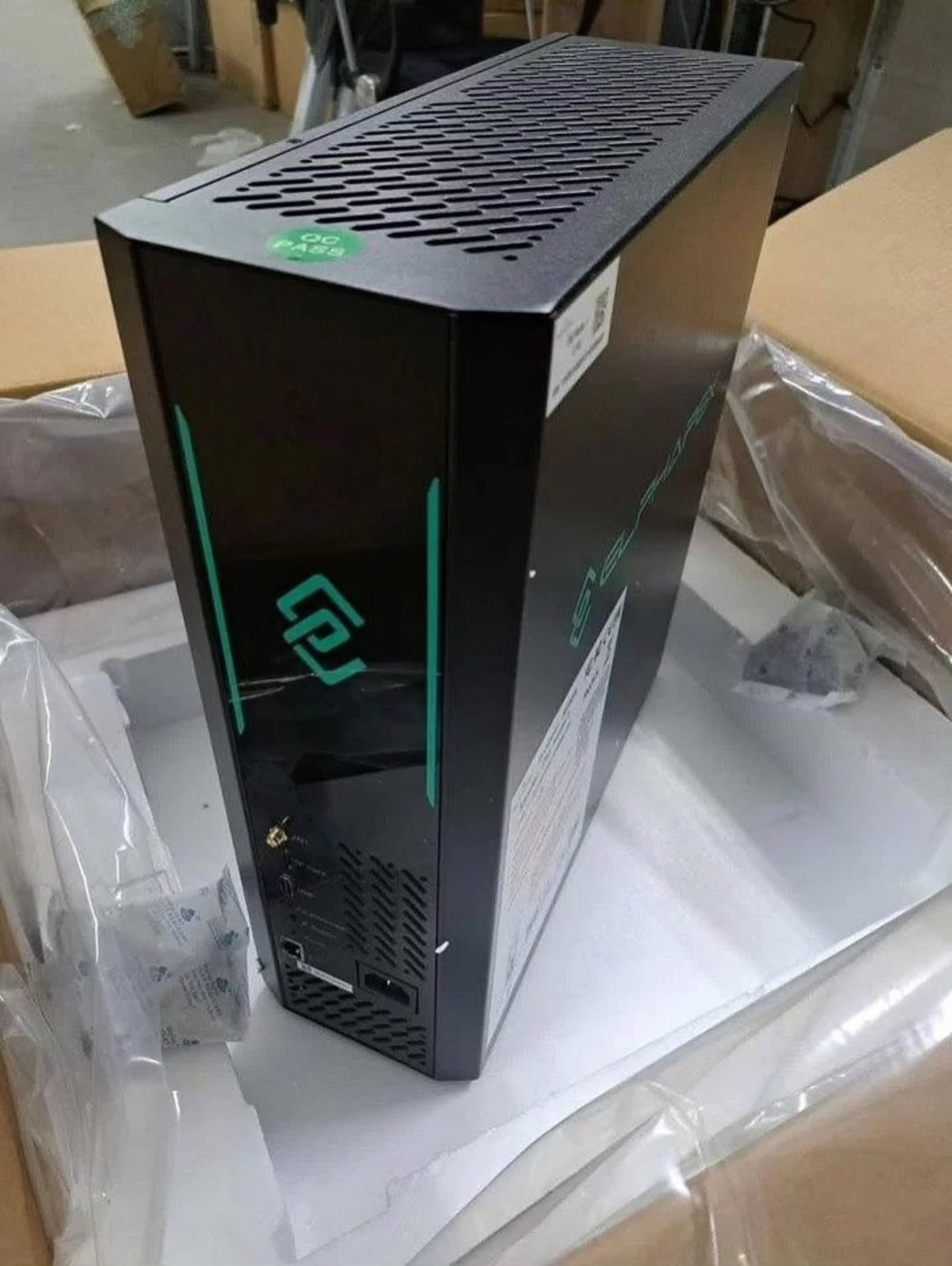
ElphaPex DG Home 2 Gh/s Quiet Dogecoin & Litecoin Miner
2 Gh/s | 620W
Scrypt (DOGE & LTC) · Used
$1,490$1,590
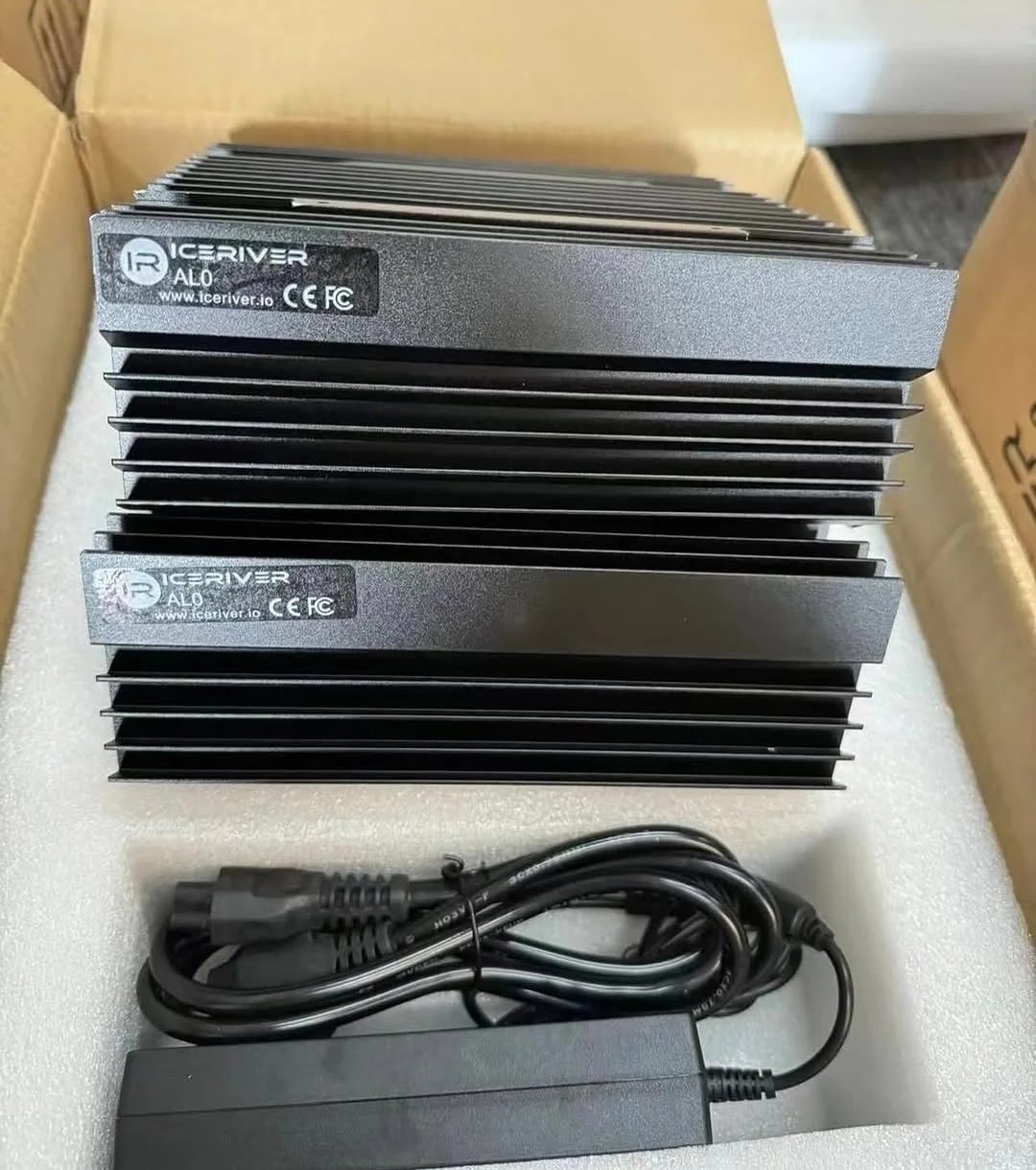
IceRiver AL0 ALEO Miner 50 Mh/s zkSNARK Prover
50 Mh/s | 100W
zkSNARK (Aleo) · Used
$590$649
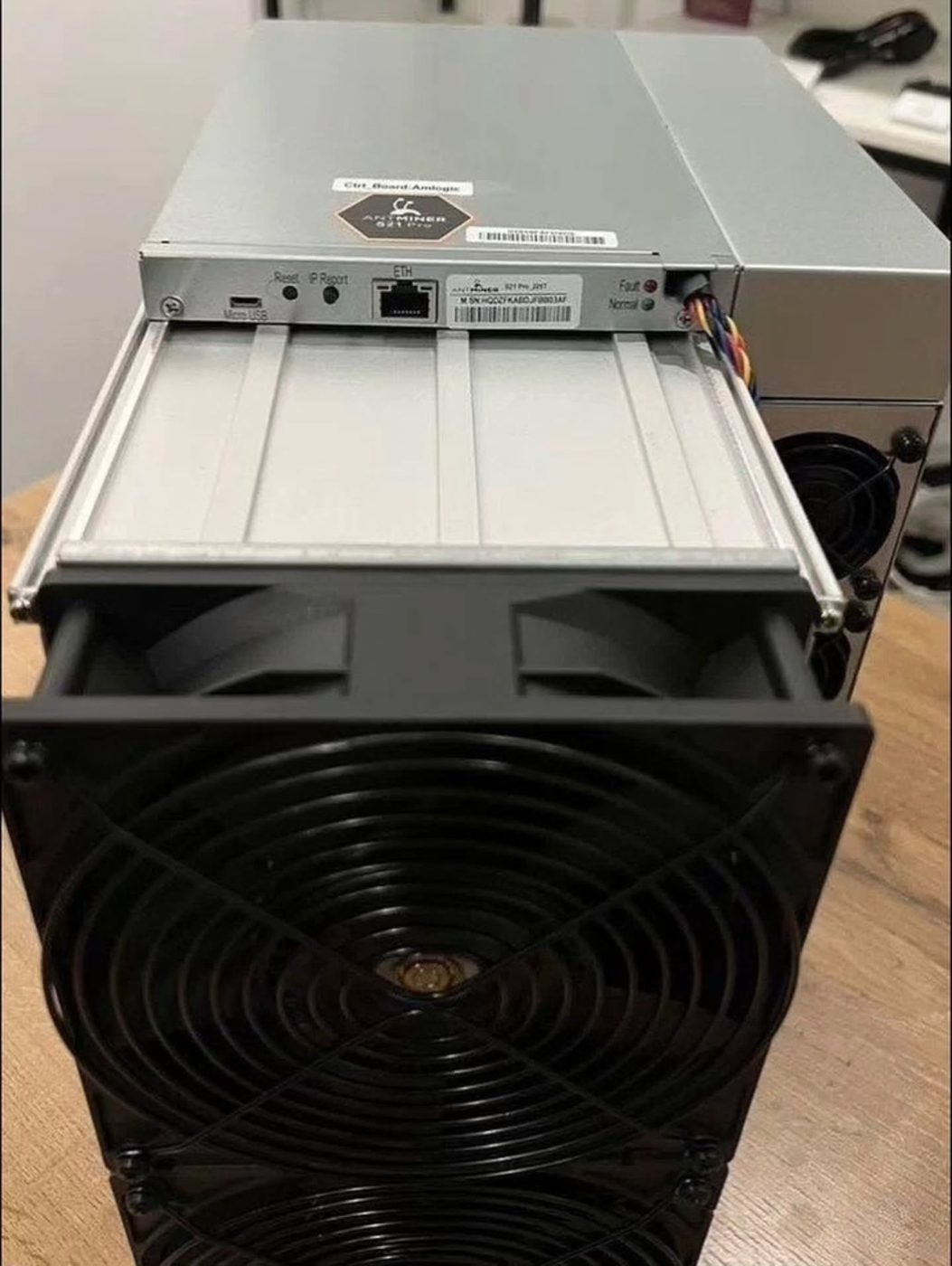
Used Bitmain Antminer S21 Pro 234 Th/s Bitcoin Miner
234 Th/s | 3510W
SHA-256 · Used
$3,990$4,290
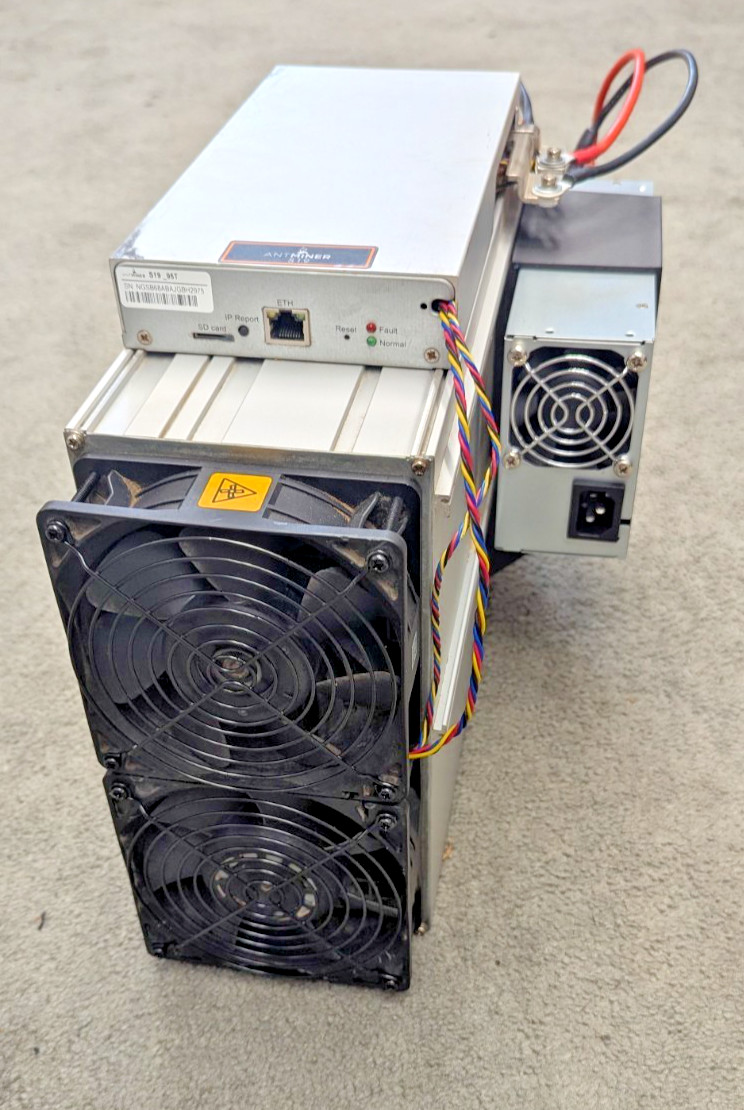
Antminer S19 95TH/s Loki Rig – 42TH 1000W Plug-and-Play 110V Home Bitcoin Miner
42 TH/s | 1000W
SHA-256 · Used
$375
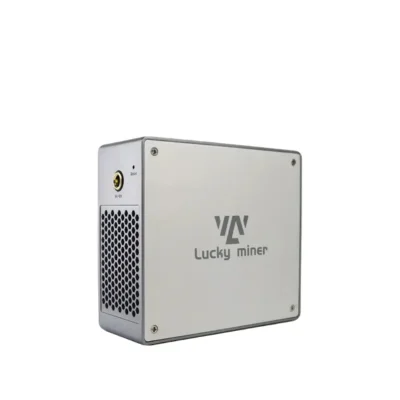
Lucky Miner LV07 Pro 3 TH/s Quiet Home Bitcoin Miner
3 TH/s | 50W
SHA-256 · New
$199
MicroBT Whatsminer M6DS++ Hydro 592 TH/s Bitcoin Miner
592 TH/s | 9200W
SHA-256 · New
$4,959
Want the numbers run for your site?
Send us your electricity rate, available amperage and budget. We will model the machines that actually pay back at your power cost — no obligation.
Talk to an engineer