
Setup & Operations · September 6, 2026 · 8 min read
What Is Bitcoin Mining? How It Works, Costs and Hardware
Bitcoin mining is the process that adds new transactions to the bitcoin blockchain and issues new coins in the same step. Specialised computers called ASIC miners race to find a number that, when hashed together with the pending block of transactions, produces a result below a network-set target. The first machine to find it broadcasts the block, and the network pays that miner the block subsidy plus the transaction fees inside it.
That is the whole mechanism. Everything else — hashrate, difficulty, joules per terahash, pools, hosting — is engineering and economics built around it. This guide explains how the process works, what it costs to participate today, and which hardware is realistic depending on your electricity price and where the machine will physically live.
Proof of Work in Plain Language
A miner takes the block it wants to publish, adds a changing number called a nonce, and runs the pair through the SHA-256 hash function. The output is unpredictable, so the only way to find a hash below the target is to try quintillions of combinations per second. This deliberate waste of computation is what makes rewriting bitcoin history economically impossible: an attacker would have to out-spend the entire honest network in electricity and hardware.
Because the answer is hard to find but instant to verify, every other node on the network can check a submitted block in milliseconds. That asymmetry — expensive to produce, cheap to validate — is the core of proof of work and the reason bitcoin needs no trusted referee.
Hashrate, Difficulty and Why Your Share Shrinks
Hashrate measures how many hash attempts a machine makes per second, quoted in terahash (TH/s) for modern units. Your expected earnings are simply your hashrate divided by the total network hashrate, multiplied by the coins issued in that period. Nothing else in the formula is under your control.
Roughly every two weeks the network retargets difficulty so blocks keep arriving about every ten minutes. When more hashrate joins, difficulty rises and every existing machine earns slightly less bitcoin per day. Any profitability model that assumes today's difficulty forever is wrong; assume a steady climb and buy hardware efficient enough to survive it.
What Miners Actually Earn
Each block pays a fixed subsidy that halves roughly every four years, plus the fees users attached to their transactions. Fee income spikes during congestion and can briefly rival the subsidy, but it is volatile and should never anchor a purchase decision. Model revenue on the subsidy and treat fees as upside.
Almost nobody mines alone. Solo mining a full-size ASIC means going years between wins on average, so miners join pools that combine hashrate and pay out proportionally, minus a one to three percent fee. Payouts are smooth and predictable; the trade-off is that you never hit a whole block yourself.
The Real Cost Structure: Power Dominates
A modern full-size miner draws between three and five and a half kilowatts continuously — 72 to 132 kilowatt-hours a day. At twelve cents per kilowatt-hour that is roughly nine to sixteen dollars of electricity every day, per machine, forever. Over a three-year life the power bill routinely exceeds the purchase price several times over.
This is why efficiency in joules per terahash matters more than headline hashrate. A machine at 15 J/TH produces the same work for roughly half the electricity of a 30 J/TH unit. Above about ten cents per kilowatt-hour, only current-generation hardware makes sense; below six cents, cheap previous-generation machines often pay back fastest.
Hardware: What Is Realistic for You
Full-size air-cooled ASICs such as the Antminer S19 and S21 families or MicroBT's WhatsMiner M50 and M60 series are the workhorses of the industry. They need a dedicated 240 volt circuit, real airflow and somewhere that tolerates 72 to 80 decibels of fan noise — in practice a garage, outbuilding, warehouse or hosted facility.
If the machine must live near people, hydro-cooled units and low-power home miners in the one to two kilowatt band are the sensible options. If you have no suitable site at all, hosting places your hardware in an industrial facility at a fixed per-kilowatt-hour rate, which is usually cheaper than residential power anyway.
Getting Started Without Wasting Capital
Work in this order: confirm your delivered electricity rate, confirm the electrical capacity and location available, then pick hardware that fits both. Buying a miner before checking your circuit and your noise tolerance is the most common and most expensive beginner mistake we see.
Start with one machine, learn the firmware, pool configuration and thermal behaviour, then scale. Our team quotes delivered pricing per terahash and ships worldwide from Hong Kong, including to the USA, Canada and Europe, so you can compare real numbers rather than datasheet promises.
Frequently Asked Questions
- Is bitcoin mining still profitable?
- Yes, for operators with cheap power and efficient hardware. Profit is decided by your electricity rate, your machine's joules per terahash and the price you paid per terahash — not by bitcoin's price alone.
- Can I mine bitcoin on a normal computer?
- No. CPUs and GPUs are billions of times slower than ASICs at SHA-256 and would earn effectively nothing while burning electricity. Bitcoin mining requires purpose-built ASIC hardware.
- How long does it take to mine one bitcoin?
- There is no fixed answer. A 200 TH/s machine earns a small daily fraction of a coin, so accumulating a whole bitcoin can take years. Miners think in daily revenue and payback months, not whole coins.
- How much electricity does mining use?
- Typically 3 to 5.5 kW per full-size machine, running continuously. That is 90 to 165 kWh per day for a single unit, which is why power price decides profitability.
Recommended Miners From Our Inventory
Hardware in stock that matches this guide. Every unit is bench-tested and hashrate-verified before it ships.
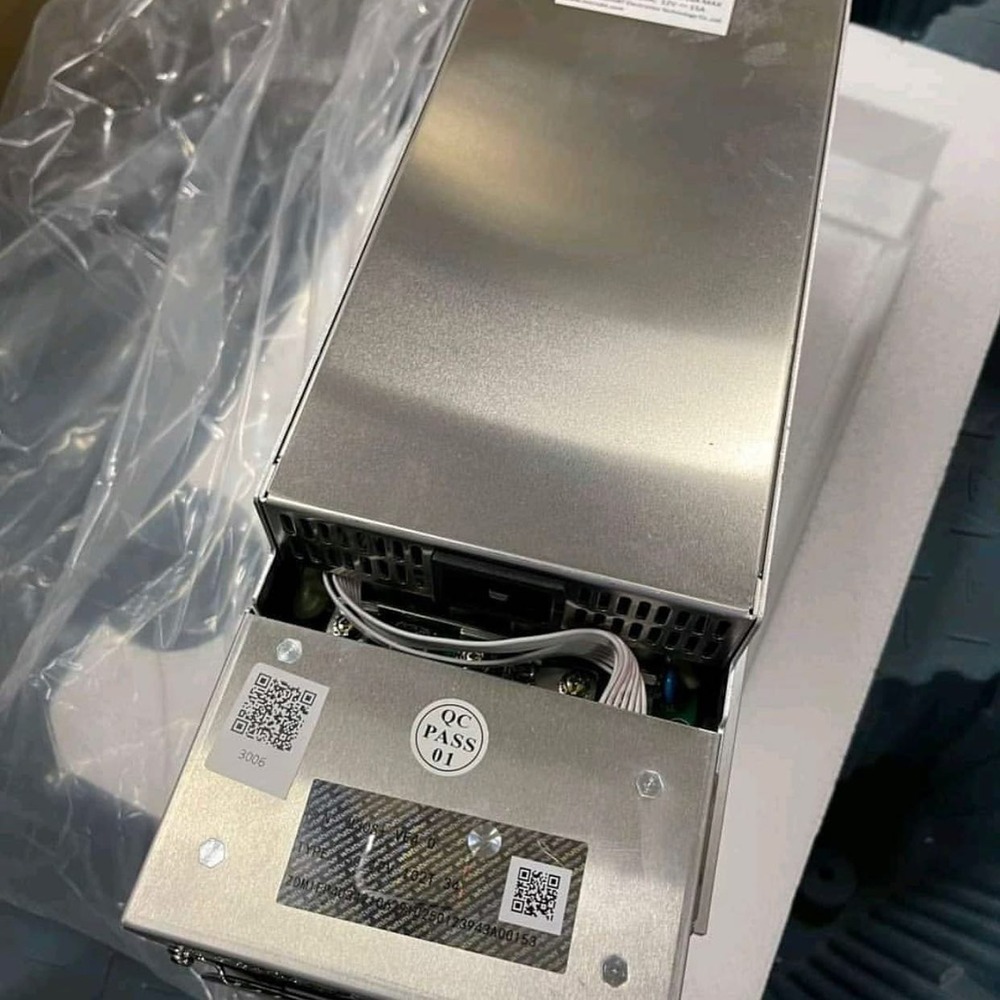
MicroBT WhatsMiner M30S+ 100 TH/s Bitcoin Miner
100 TH/s | 3400W
SHA-256 · Refurbished
$659
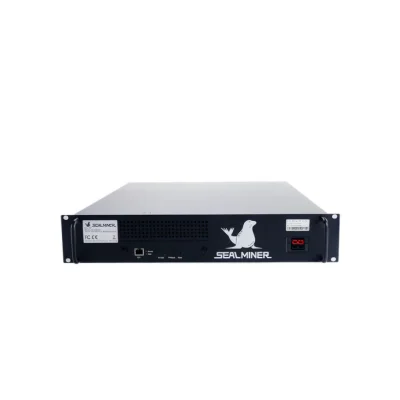
Bitdeer SealMiner A4 Ultra Hydro 886 TH/s Bitcoin Miner
886 TH/s | 8372W
SHA-256 · New
$9,999
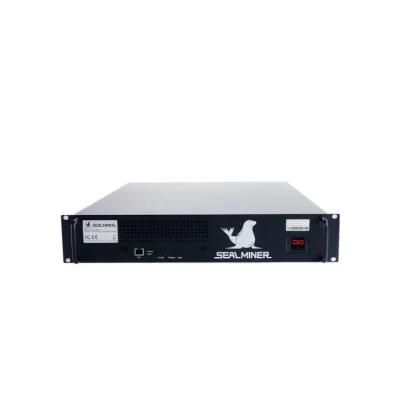
Bitdeer SealMiner A4 Pro Hydro 680 TH/s Bitcoin Miner
680 TH/s | 7412W
SHA-256 · New
$8,699
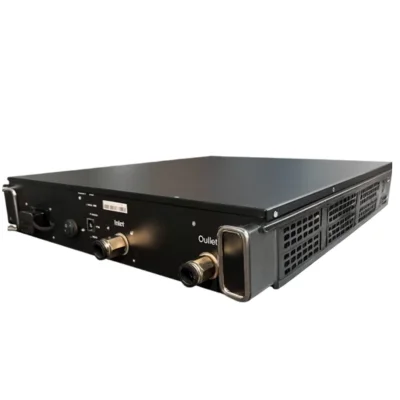
Bitmain Antminer S23e Hydro 2U 865 TH/s Bitcoin Miner
865 TH/s | 8650W
SHA-256 · New
$19,999
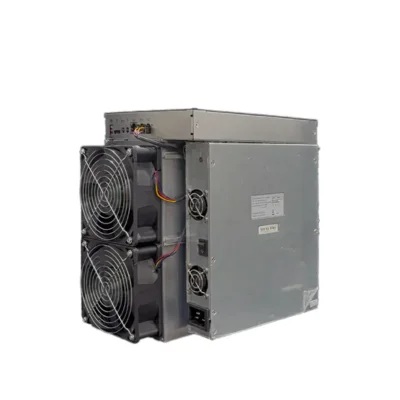
Pinecone Matches INIBOX Pro 2.4 GH/s Initverse (INI) Miner
2.4 GH/s | 1280W
VersaHash · New
$8,499
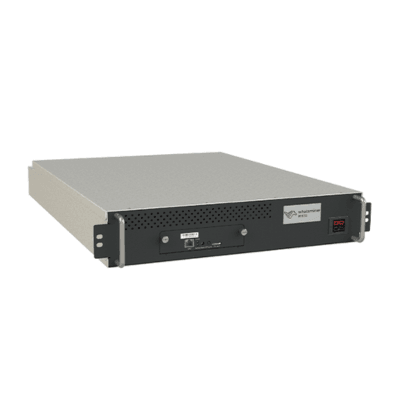
MicroBT Whatsminer M63S+ Hydro 430 TH/s Bitcoin Miner
430 TH/s | 7208W
SHA-256 · New
$4,099
Want the numbers run for your site?
Send us your electricity rate, available amperage and budget. We will model the machines that actually pay back at your power cost — no obligation.
Talk to an engineer