
Setup & Operations · September 6, 2026 · 8 min read
How to Mine Bitcoin: A Practical Step-by-Step Guide
Mining bitcoin is a logistics exercise more than a technical one. The software side takes twenty minutes; the parts that decide whether you make money are your electricity rate, your electrical capacity, your cooling and your uptime. This guide walks the sequence we use when commissioning machines for customers.
Follow it in order. Every step that looks boring — reading your power bill, checking your breaker panel, measuring your room temperature — exists because skipping it is what turns a working miner into an expensive paperweight.
Step 1: Find Your Real Delivered Power Rate
Take a recent electricity bill, divide the total amount owed by the kilowatt-hours consumed, and use that number. It includes delivery charges, taxes and tiered pricing, which the headline tariff usually hides. Miners who model on the advertised rate consistently overestimate profit by twenty to forty percent.
If the resulting figure is above roughly twelve cents per kilowatt-hour, plan on current-generation efficient hardware or hosting instead of buying older machines. Below six cents, cheap previous-generation units become very attractive because the electricity penalty is tolerable.
Step 2: Confirm the Site and Circuit
A full-size ASIC needs a dedicated 240 volt circuit — typically a 30 amp breaker per machine with a matching NEMA or IEC outlet — and continuous airflow to exhaust three to five kilowatts of heat. Intake air above 35 degrees Celsius will throttle the machine and shorten hardware life.
Decide the location before you buy: garage, outbuilding, shed, warehouse or hosted facility. Living spaces are ruled out by noise unless you choose a hydro unit or a low-power home miner. If none of these fit, skip straight to hosting.
Step 3: Choose Hardware That Matches Both Numbers
With your power rate and site constraints known, hardware selection becomes arithmetic. Compare candidates on joules per terahash and delivered dollars per terahash, then check the physical fit: PSU voltage, plug type, noise, and whether the unit is air, hydro or immersion cooled.
Buy from a supplier that documents condition and tests units before shipping. Every machine we sell is bench-tested, condition-graded as new, used or refurbished, and quoted at a delivered price so there are no customs surprises.
Step 4: Wallet and Pool Before the Machine Arrives
Set up a bitcoin wallet you control and copy its receiving address. Then create an account at a reputable pool, add that address as your payout destination, and note the pool's stratum URL and port for your region. Doing this while you wait for delivery means the miner can start earning the day it lands.
Choose a pool on payout scheme and reliability rather than headline fee. PPS-style payouts give steady, predictable income; PPLNS pays more when luck runs well but varies week to week. Either is fine — inconsistent uptime costs you far more than the fee difference.
Step 5: Power Up, Find the IP, Configure
Connect ethernet and power, then find the miner's IP address using your router's client list or the manufacturer's scanning tool. Log into the web interface, change the default password immediately, and enter your pool URL with your worker name and, where required, your wallet address as the username.
Within a few minutes the dashboard should show all hashboards online and a hashrate close to the rated figure. Expect roughly 95 percent of the datasheet number in a warm room — that derating is normal, not a fault.
Step 6: Tune, Monitor and Protect Uptime
Once stable, check chip temperatures and fan speeds under load. Underclocking or undervolting slightly often improves joules per terahash and materially extends hardware life; aggressive overclocking buys a few percent hashrate for disproportionate heat and failure risk. Only run custom firmware from sources you trust.
Set up alerts for offline workers on your pool dashboard, keep the intake filters clean, and hold a spare power supply and fan set on the shelf. A machine at 98 percent uptime beats a faster machine that spends three weeks a year waiting on parts, and our repair centre turns around hashboard and PSU faults for customers worldwide.
Frequently Asked Questions
- What do I need to start mining bitcoin?
- An ASIC miner, a dedicated 240 V circuit, ventilation or hydro cooling, an internet connection, a bitcoin wallet and a pool account. Software setup takes minutes; power and cooling are the real work.
- Do I need to join a mining pool?
- Practically, yes. Solo mining a single machine can mean years between rewards. A pool converts that lottery into steady daily payouts for a one to three percent fee.
- How do I connect a miner to a pool?
- Open the miner's web interface, enter the pool's stratum URL and port, set your worker name or wallet address as the username, save and restart. The pool dashboard shows your hashrate within minutes.
- Can I mine bitcoin without buying hardware?
- Hosting lets you buy a machine and run it in an industrial facility at a fixed power rate. Cloud contracts avoid hardware entirely but usually deliver worse economics and no resale value.
Recommended Miners From Our Inventory
Hardware in stock that matches this guide. Every unit is bench-tested and hashrate-verified before it ships.

Bitmain Antminer AL1 16.6 Th/s ALPH Miner
16.6 Th/s | 3730W
Blake3 · New
$14,284
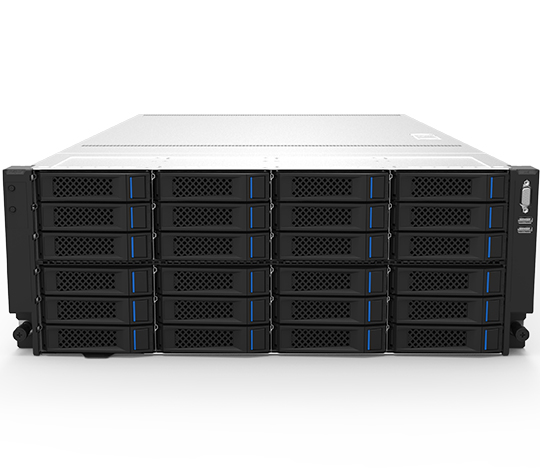
Bitmain Antminer On-Rack Filecoin Miner 4300T FIL Miner
4300T | -
PoST · New
$8,888
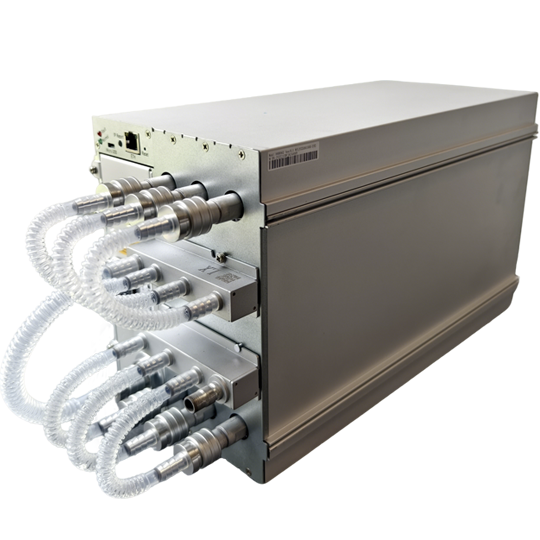
Bitmain Antminer S23 Hyd. 580 Th/s Bitcoin Miner
580 Th/s | 5510W
SHA-256 (Bitcoin) · New
$17,400
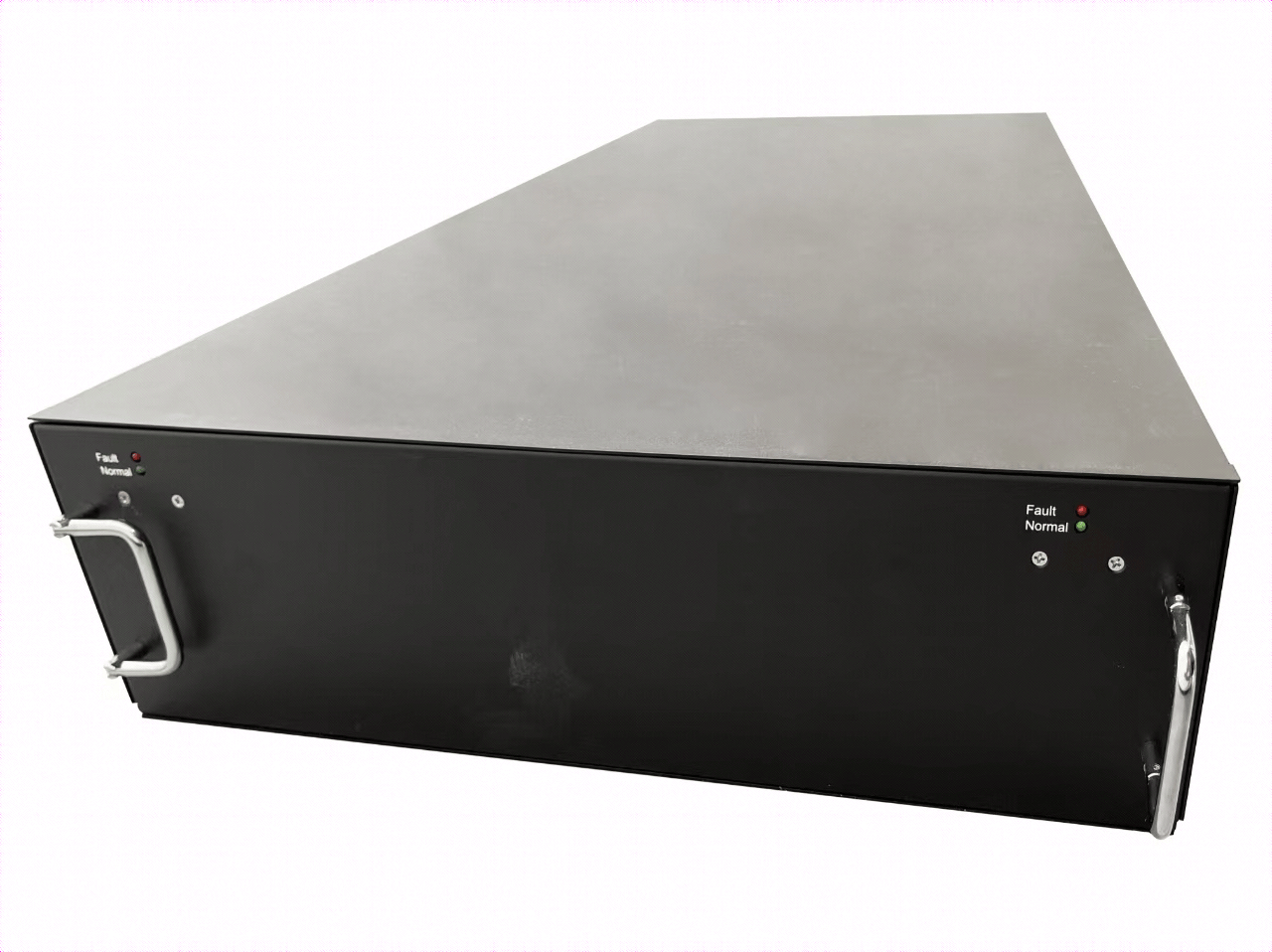
Bitmain Antminer U3S23H 1160 Th/s Bitcoin Miner
1160 Th/s | 11020W
SHA-256 (Bitcoin) · New
$34,800
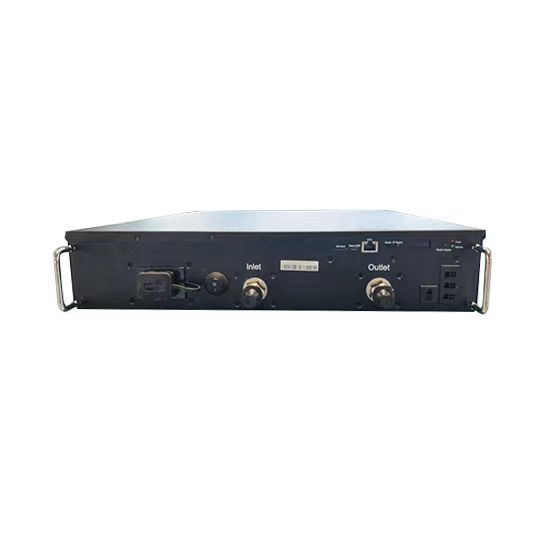
Bitmain Antminer L11 HU2 35 Gh/s LTC Miner
35 Gh/s | 5775W
Scrypt · New
$16,415
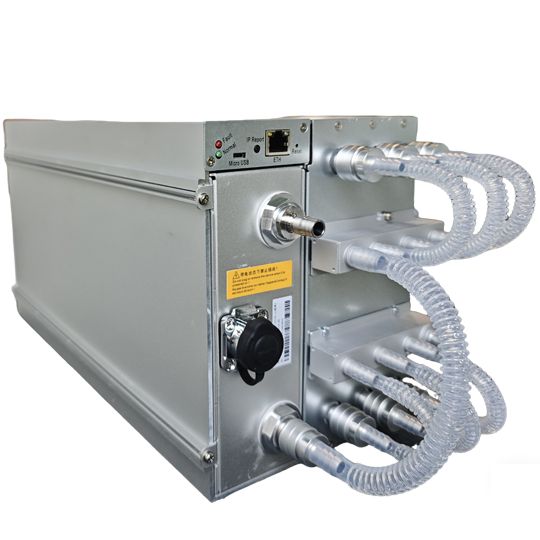
Bitmain Antminer S21 XP+ Hyd. 480 Th/s Bitcoin Miner
480 Th/s | 5280W
SHA-256 (Bitcoin) · New
$9,120
Want the numbers run for your site?
Send us your electricity rate, available amperage and budget. We will model the machines that actually pay back at your power cost — no obligation.
Talk to an engineer