
Used ASIC Miners · August 28, 2026 · 9 min read
Used ASIC Miner Buying Guide: Inspect, Test and Negotiate
Buying a used ASIC miner is the cheapest way onto the network, and also the easiest way to buy someone else's failure. The difference between the two outcomes is almost entirely process: what you inspect, what you insist on seeing before payment, and what the seller agrees to in writing.
This guide is the checklist our own intake team runs on every used ASIC miner that arrives at our Hong Kong facility before it is photographed and listed for sale.
Ask for a load test, not a photo
A powered-on photo proves nothing. Ask for a pool screenshot or a miner status page showing the unit hashing at rated speed for at least two hours, with per-hashboard chip counts and inlet/outlet temperatures visible. On an S19-class machine you want all three boards reporting a full chip count and a rejected-share rate under one percent.
Every used ASIC miner we list is burned in this way in-house, so the hashrate on the listing is measured rather than copied off a spec sheet.
Inspect hashboards, PSU and airflow
Look for corrosion on board edges, discoloured heatsinks, missing or lifted heatsinks, and repasted chips done badly. Corrosion is common on hardware pulled from humid or coastal sites and predicts early board death.
Fans and power supplies are consumables. Bearing noise, wobble or a PSU that has been opened are all reasons to discount the price. Budget a spare PSU and a fan set per ten machines regardless of condition.
Firmware and overclock history matter
A machine that spent a year at an aggressive overclock has aged far faster than an underclocked one. Ask which firmware ran — stock, Braiins OS+, Vnish or LuxOS — and at what frequency and voltage. Persistent high-voltage tuning shortens chip life and is invisible in a photo.
Verify the control board is not vendor-locked to a previous owner's management platform, and that you can flash the firmware you intend to run before the unit leaves the seller.
Price the machine on delivered cost per terahash
Take the price, add freight, duties and any PSU or cord you must buy, then divide by measured terahash. That delivered figure is the only number worth comparing across listings, and it regularly reorders what looks cheap on the surface.
Then sanity-check the electricity side: watts divided by terahash gives J/TH. A used unit above roughly 34 J/TH only earns at very cheap power, no matter how low the purchase price is.
Get the terms in writing
Insist on a written functional warranty period, who pays return freight, and whether hashboard-level repair is available. A seller with an in-house repair lab can honour warranty economically; a broker usually cannot.
Our used ASIC miners ship with a 30-day functional warranty covering hashboard and PSU failure, prepared and tested in our own lab, with bulk terms extended for pallet and container orders.
Frequently Asked Questions
- How do I know a used ASIC miner is not a dud?
- Require evidence of a sustained load test at rated hashrate with full per-board chip counts, plus photos of the actual unit and its serial. Buy only where a written functional warranty and a repair path exist.
- Should I buy used or refurbished?
- Refurbished units have had known faults repaired and consumables replaced, so they cost more but fail less. Used units in verified working order are cheaper per terahash and make sense when you keep spares on hand.
- What spares should I order with a used miner?
- One spare PSU and one fan set per ten machines, plus thermal pads and paste. These are the parts that fail first and the cheapest way to avoid downtime.
Recommended Miners From Our Inventory
Hardware in stock that matches this guide. Every unit is bench-tested and hashrate-verified before it ships.
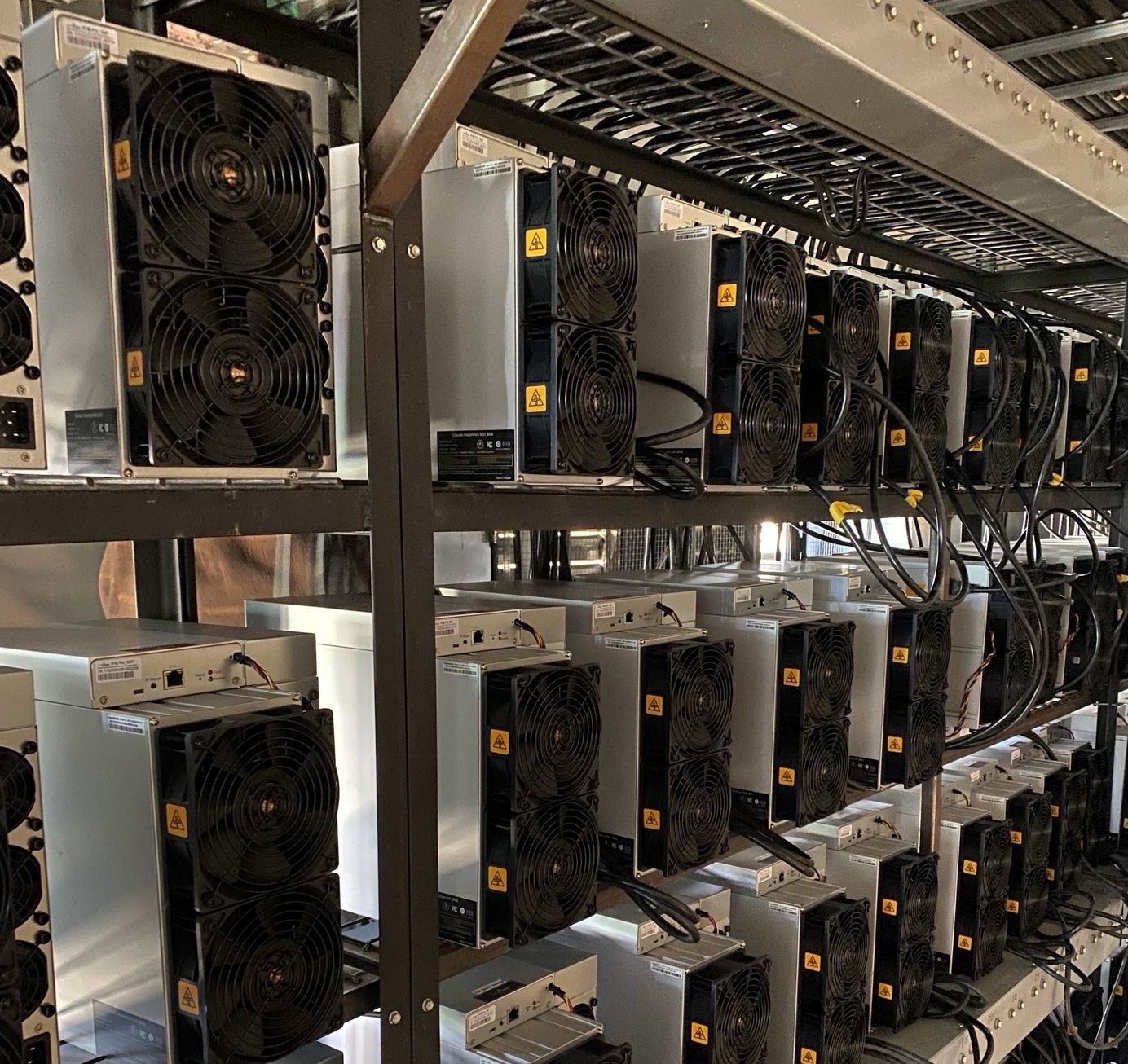
Bitmain Antminer S19j Pro 105TH Used ASIC Miner – Braiins/Vnish OS, 30-Day Warranty
105 TH/s | 3100W
SHA-256 · Used
$195
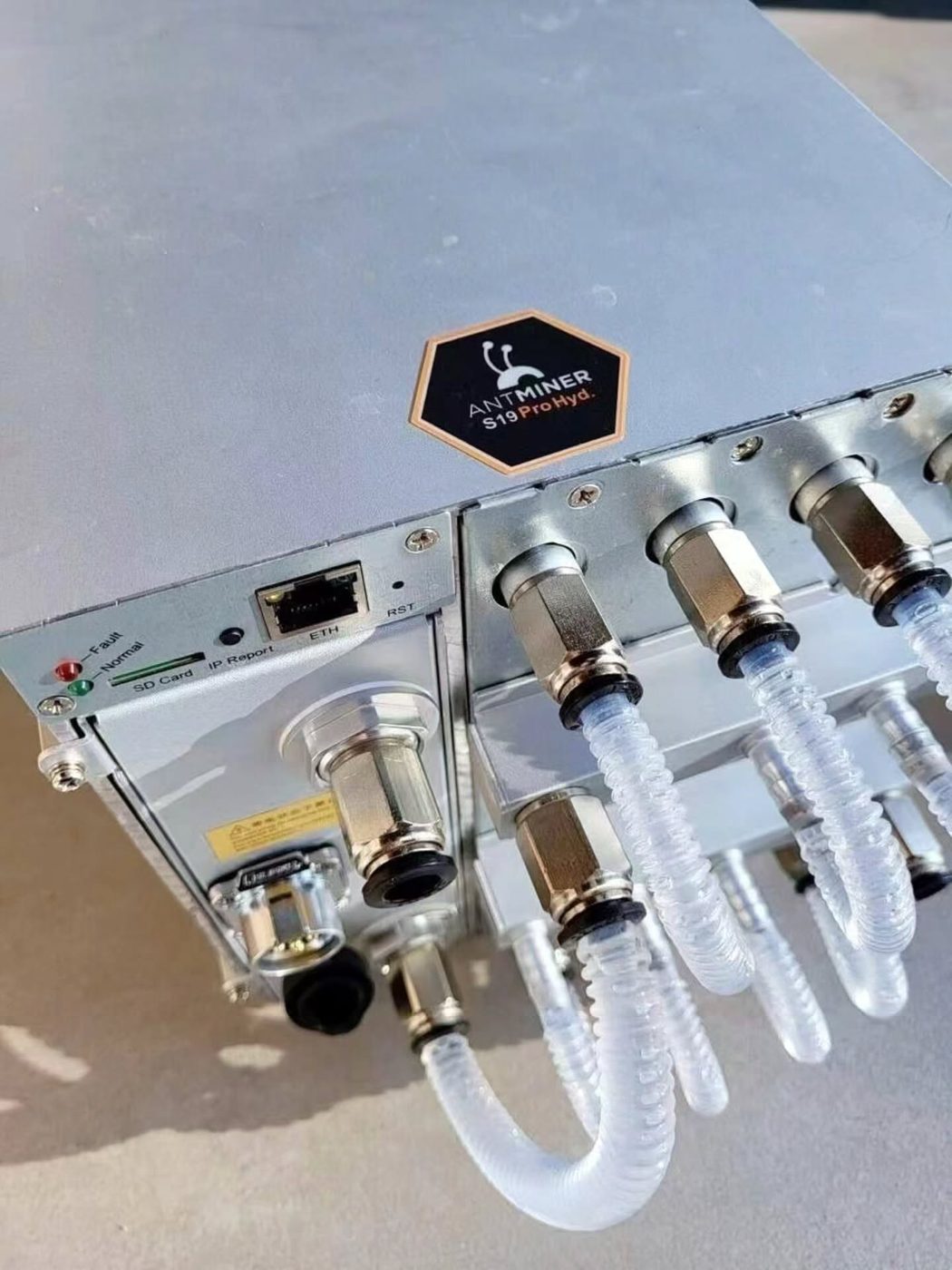
Used Bitmain Antminer S19 Pro Hyd 177 Th/s Water-Cooled Bitcoin Miner
177 Th/s | 5221W
SHA-256 · Used
$1,090$1,290
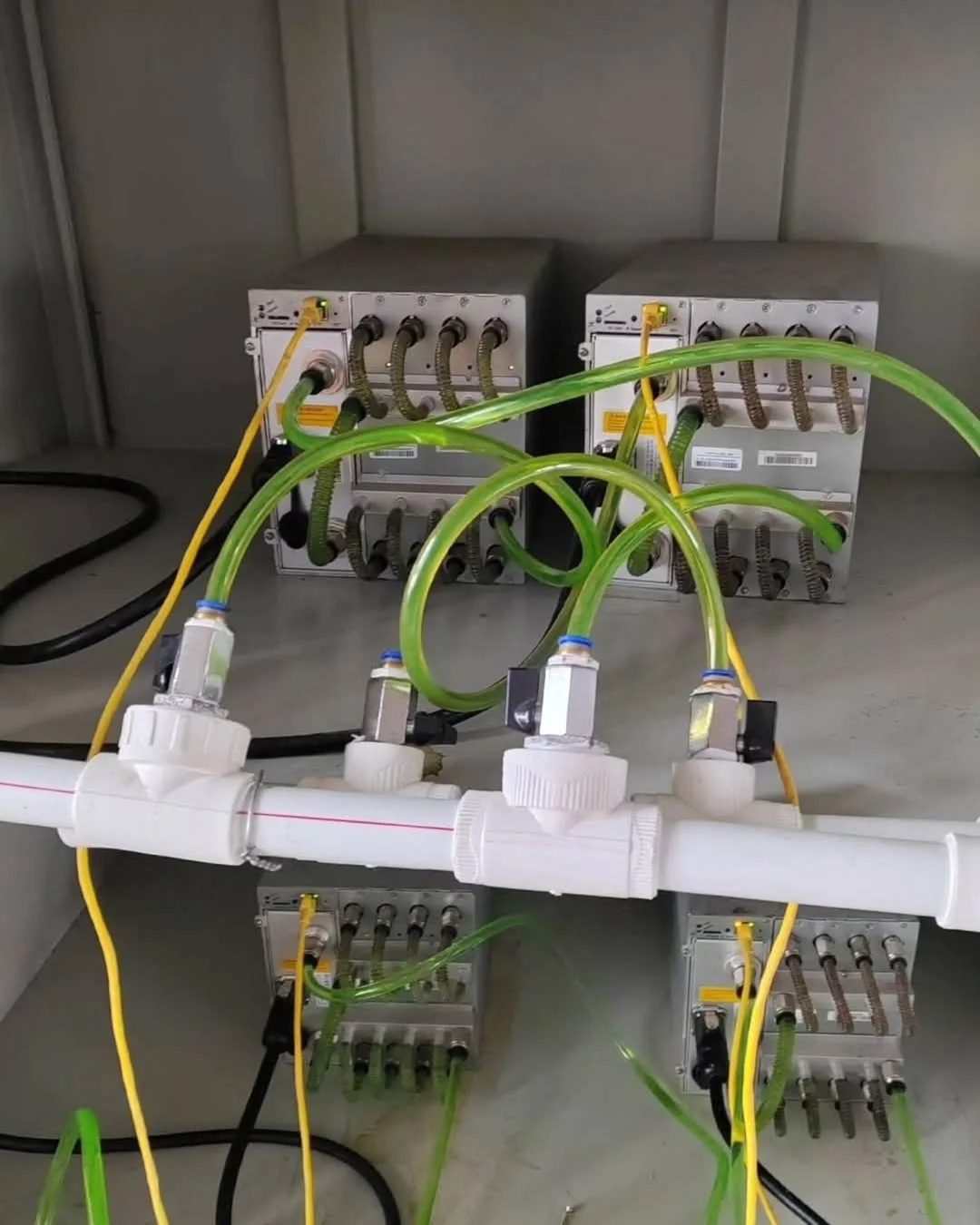
Used Bitmain Antminer S19 Pro+ Hyd 198 Th/s Hydro Bitcoin Miner
198 Th/s | 5445W
SHA-256 · Used
$1,290$1,490
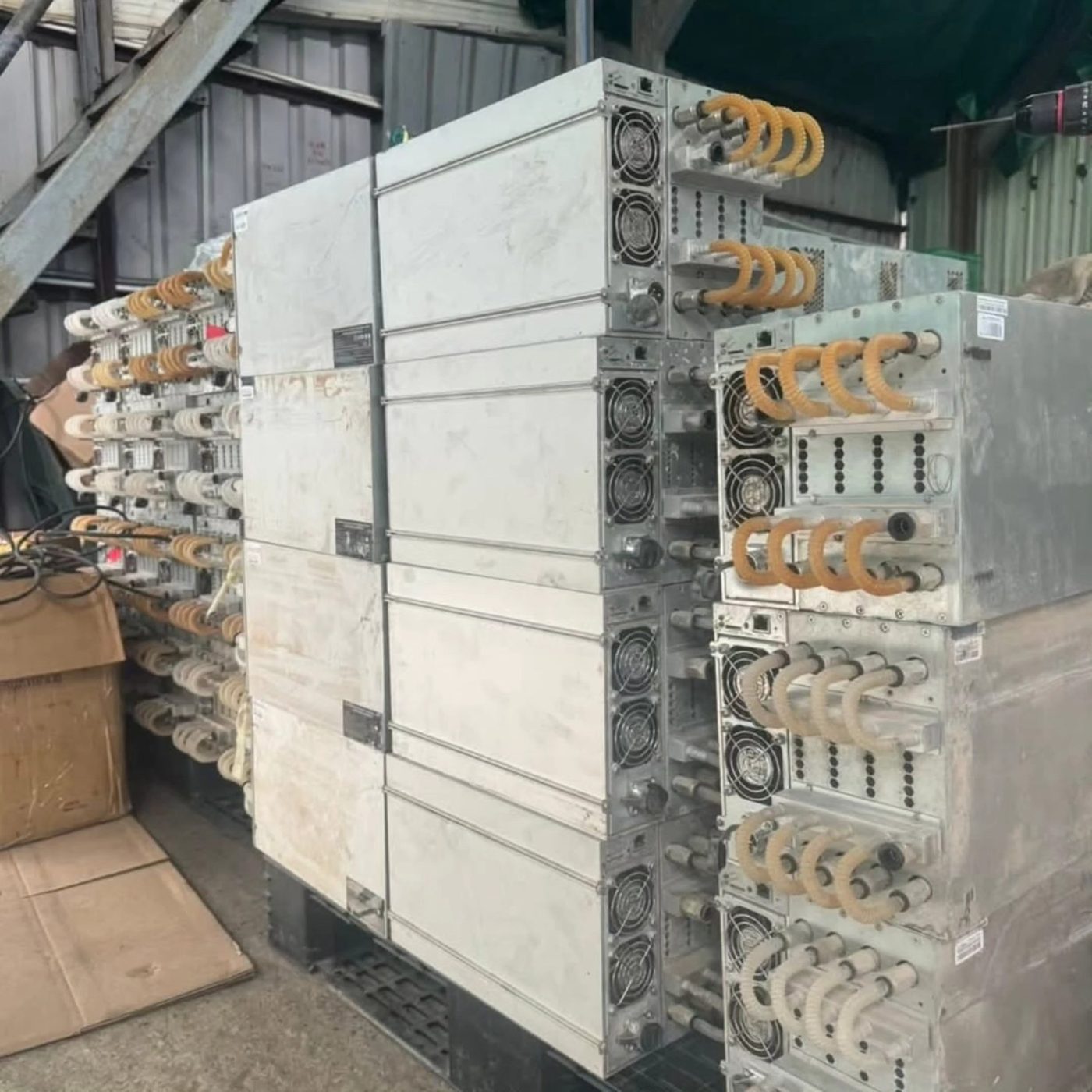
Used Bitmain Antminer S19 Hydro 151.5 Th/s Bitcoin Miner
151.5 Th/s | 5301W
SHA-256 · Used
$404$449
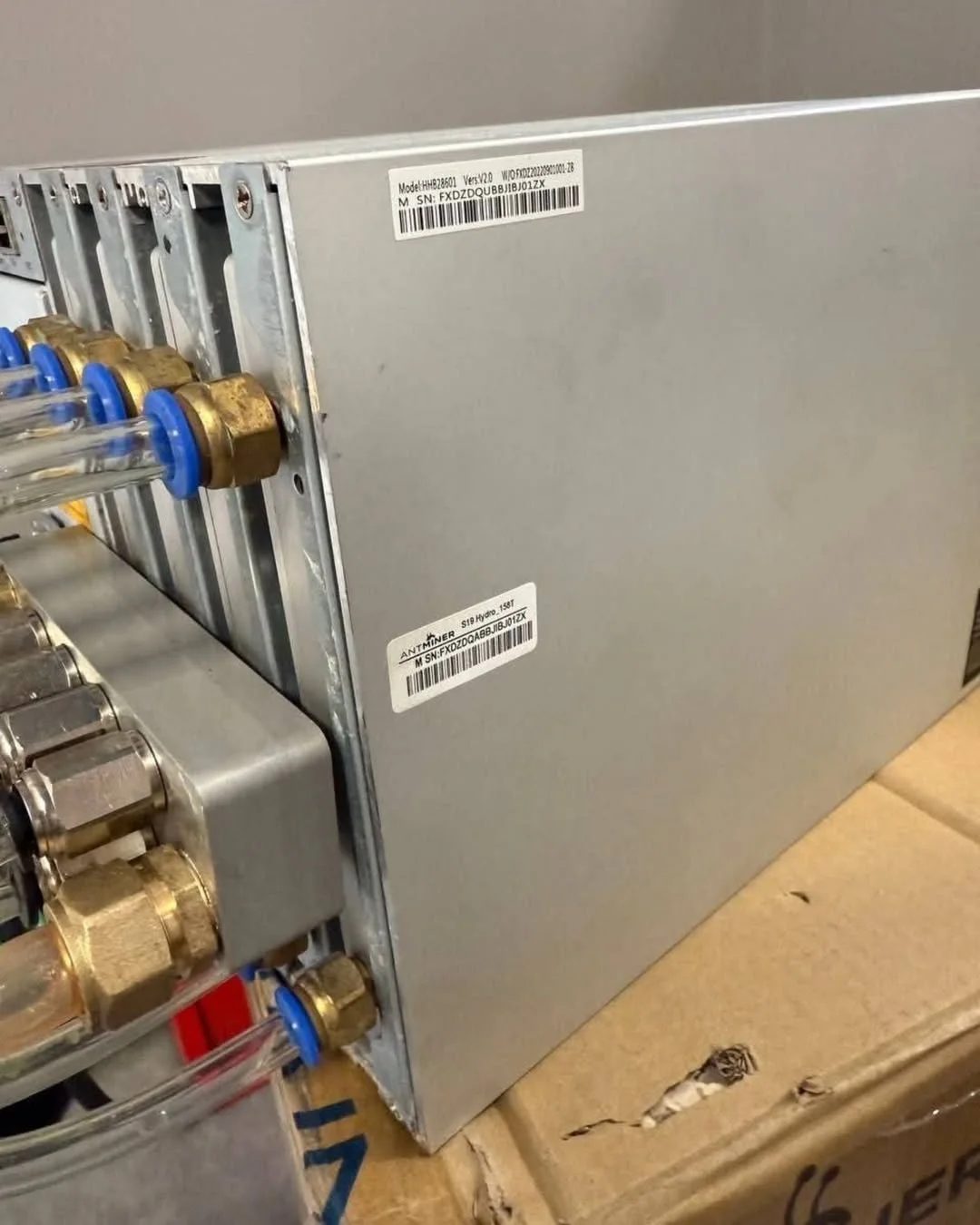
Used Bitmain Antminer S19 Hydro 158 Th/s Water-Cooled Bitcoin Miner
158 Th/s | 5350W
SHA-256 · Used
$627$699
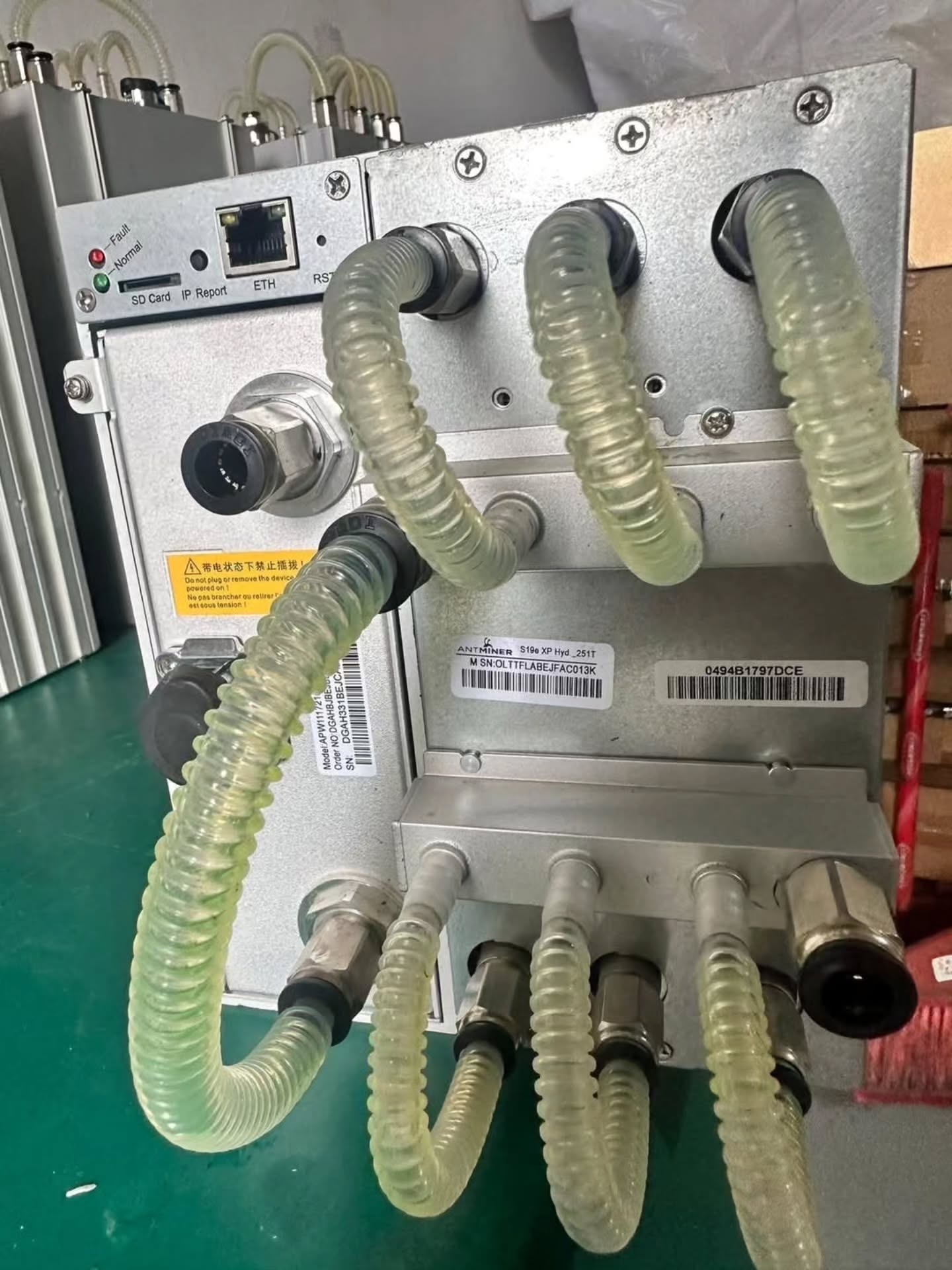
Used Bitmain Antminer S19e XP Hyd 251 TH/s Hydro Bitcoin Miner
251 TH/s | 5350 W
SHA-256 · Used
$2,900
Want the numbers run for your site?
Send us your electricity rate, available amperage and budget. We will model the machines that actually pay back at your power cost — no obligation.
Talk to an engineer