
Buying Guides · September 6, 2026 · 8 min read
Bitcoin Mining Machine Guide: What to Buy and Why
A bitcoin mining machine is a single-purpose computer whose only job is running SHA-256 as cheaply as possible. Every model on the market is a different answer to one question: how many joules does it burn per terahash, and what does that cost you up front?
This guide breaks the market into the tiers we actually sell — current flagships, value previous-generation units, hydro machines and low-power home miners — and explains which fits which site, power rate and budget.
The Two Numbers That Define Every Machine
Efficiency, quoted in joules per terahash, tells you the machine's lifetime operating cost. Price per terahash, calculated from the delivered price divided by rated hashrate, tells you the capital cost. Together they decide payback; everything else is secondary detail.
A useful shortcut: cheap power favours a low price per terahash, expensive power favours low joules per terahash. If your electricity is above ten cents per kilowatt-hour, paying a premium for efficiency is nearly always the correct decision.
Current-Generation Flagships
The Antminer S21 family, MicroBT's M60 and M6x series and Canaan's newest Avalon units sit between roughly 12 and 18 joules per terahash. They hold margin through difficulty increases that switch older fleets off, which is why professional farms buy them despite the higher price per terahash.
These machines suit operators with stable power contracts and a multi-year horizon. If your site has curtailment risk or seasonal shutdowns, the payback math shifts and the value tier often wins instead.
Value Tier: Previous-Generation Workhorses
The S19j Pro, S19 XP, M30S++ and M50S trade efficiency in the 21 to 29 joule per terahash band for a far lower entry price. Under about six cents per kilowatt-hour these are frequently the fastest payback available, because you recover a small purchase price quickly.
Treat this tier as a cash-flow play. Buy at a price you would be comfortable writing off inside twelve to eighteen months, and keep spare hashboards and power supplies on hand, since older units are the first to be squeezed by a difficulty jump.
Hydro and Immersion Machines
Liquid-cooled machines hold their rated hashrate and efficiency because coolant temperature, not room temperature, sets the thermal ceiling. They are dramatically quieter, tolerate hot climates and support higher sustained overclocks, at the cost of a dry cooler, pumps and plumbing.
For one to five machines air cooling is usually correct. Between five and fifty, hydro starts paying for itself in stability and acoustics. Above fifty, hydro or immersion generally wins on both efficiency and maintenance labour.
Low-Power Home Machines
Home-oriented units draw one to two kilowatts, run far quieter and often work on a standard household circuit. They earn less in absolute terms, but they are the only realistic option for a house without a garage or dedicated 240 volt supply, and many owners use the exhaust heat productively in winter.
Set expectations correctly: a home miner is a learning platform and a modest income stream, not a substitute for industrial hardware. If your goal is return on capital, hosting a full-size machine usually beats running a small one at residential power prices.
Condition, Warranty and Where You Buy
New machines carry manufacturer warranty and predictable performance. Used and refurbished units cost materially less and can be excellent value when they have been bench-tested, with hashboards verified and thermal paste and fans replaced — which is exactly how our refurbished inventory is prepared.
Insist on condition grading, test reports, delivered pricing and a stated return path before you pay. We ship worldwide from Hong Kong to the USA, Canada and Europe, and every listing states its condition and current price so you can compare on price per terahash instead of marketing copy.
Frequently Asked Questions
- How much does a bitcoin mining machine cost?
- Used previous-generation machines start in the low hundreds of dollars, mid-tier units run one to three thousand, and current-generation flagships range from roughly three to eight thousand depending on hashrate and cooling.
- Which bitcoin mining machine is best for beginners?
- A tested used or refurbished mid-tier unit, or a low-power home miner if noise is a constraint. Learn firmware, pools and thermals on cheaper hardware before committing to a flagship.
- How long does a mining machine last?
- Three to five years of continuous operation is typical with clean power, filtered air and periodic fan and thermal-paste service. Liquid-cooled units often last longer because chip temperatures stay stable.
- Do mining machines come with a power supply?
- Most full-size Antminer and WhatsMiner units ship with the matching PSU. Hydro models require external cooling infrastructure, and some server-format units need specific PDUs — check each listing before ordering.
Recommended Miners From Our Inventory
Hardware in stock that matches this guide. Every unit is bench-tested and hashrate-verified before it ships.

Bitmain Antminer AL1 16.6 Th/s ALPH Miner
16.6 Th/s | 3730W
Blake3 · New
$14,284
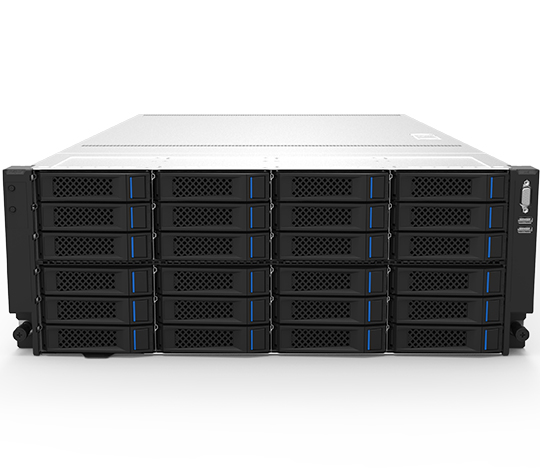
Bitmain Antminer On-Rack Filecoin Miner 4300T FIL Miner
4300T | -
PoST · New
$8,888
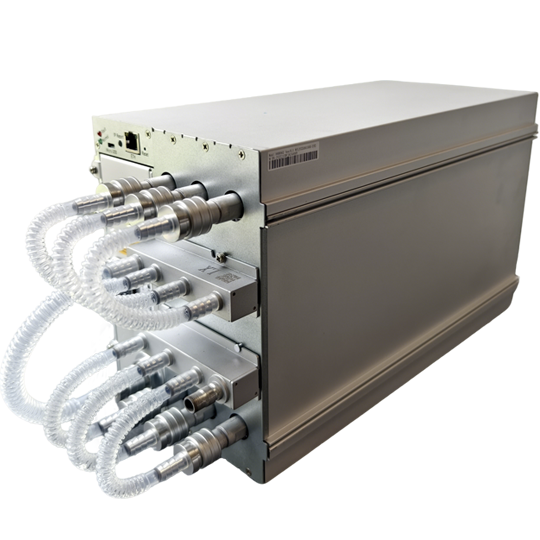
Bitmain Antminer S23 Hyd. 580 Th/s Bitcoin Miner
580 Th/s | 5510W
SHA-256 (Bitcoin) · New
$17,400
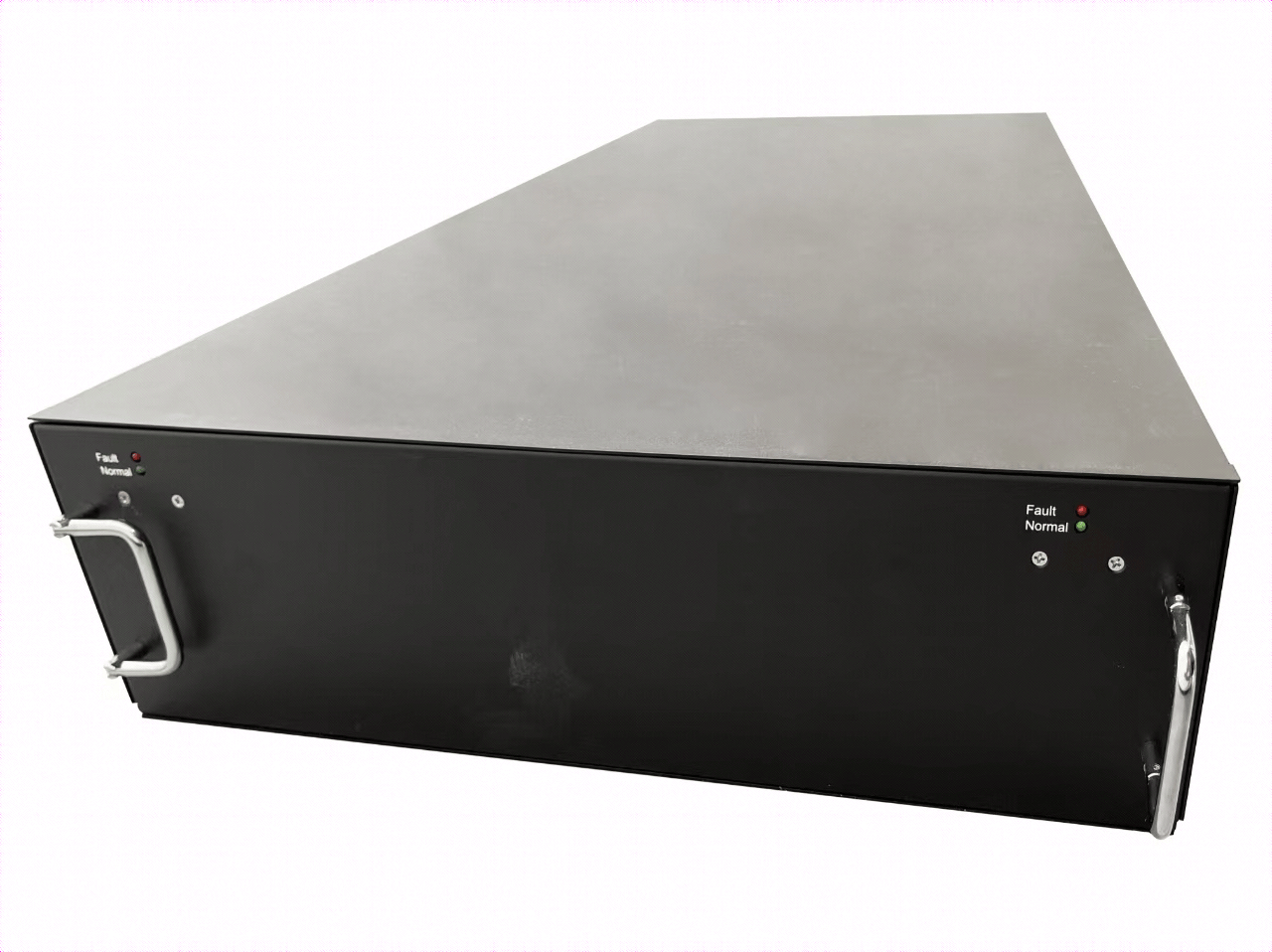
Bitmain Antminer U3S23H 1160 Th/s Bitcoin Miner
1160 Th/s | 11020W
SHA-256 (Bitcoin) · New
$34,800
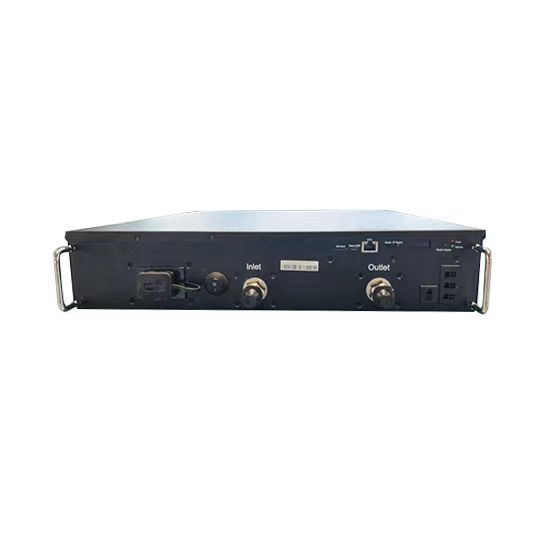
Bitmain Antminer L11 HU2 35 Gh/s LTC Miner
35 Gh/s | 5775W
Scrypt · New
$16,415
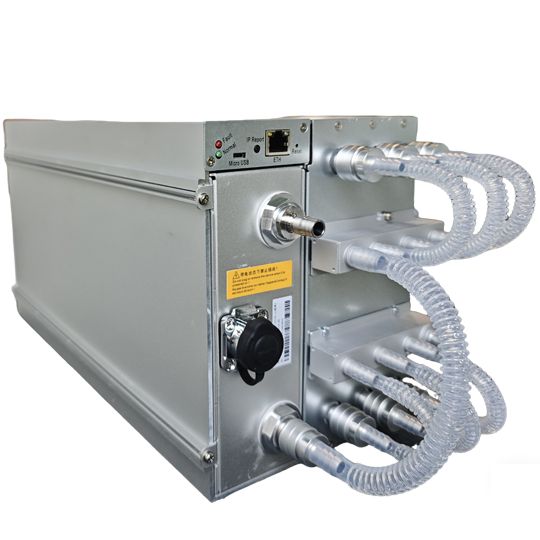
Bitmain Antminer S21 XP+ Hyd. 480 Th/s Bitcoin Miner
480 Th/s | 5280W
SHA-256 (Bitcoin) · New
$9,120
Want the numbers run for your site?
Send us your electricity rate, available amperage and budget. We will model the machines that actually pay back at your power cost — no obligation.
Talk to an engineer