
Profitability · September 4, 2026 · 9 min read
How Much Can You Make Mining Crypto at Home in 2026?
Home mining income comes down to three numbers: your machine's efficiency, your electricity price, and how many hours you can keep the machine running without upsetting the household. Everything else — coin choice, pool, firmware — moves the result by a few percent.
This guide walks through realistic ranges for a single-machine home setup, the costs beginners leave out, and the configurations that genuinely clear a profit rather than heating a garage at a loss.
Start With the Arithmetic, Not the Hardware
Take your machine's wall draw in kilowatts, multiply by 24 and by your power rate for daily electricity cost. Then take its hashrate multiplied by current hashprice for daily gross revenue. The difference is your daily margin per machine, before pool fees and downtime.
At residential rates around fifteen cents, only efficient current-generation hardware clears. Between six and ten cents, mid-tier units work. Below six cents, most tested used hardware is viable. Find your bracket before shopping.
What a Realistic Single-Machine Setup Earns
One efficient modern machine on cheap power typically produces a few dollars of gross margin per day, which is meaningful but not life-changing — think of it as a slow Bitcoin accumulation plan with hardware risk attached. On expensive residential power the same machine can sit near zero or negative.
Low-wattage home units earn less in absolute terms but are quiet enough for a home office and run on standard outlets, which is the difference between a machine you keep running and one you unplug after a fortnight.
Costs Beginners Forget
Electrical work for a dedicated 240 V circuit, a PSU if not included, ducting or a shroud to move heat outside, filters, spare fans, higher summer cooling costs elsewhere in the house, and the resale haircut when you sell. Together these often exceed the first year's mining margin.
Add noise as a real cost. At 70 to 80 dB an air-cooled ASIC is not a living-space device. Buyers who ignore this end up running machines part-time, which halves the revenue their model assumed.
Where Home Mining Genuinely Wins
Heat reuse during cold months, where the machine replaces heating you would run anyway. Behind-the-meter solar with net export prices below your mining margin. Free or included utilities. And accumulation with conviction, where you value receiving Bitcoin from a machine you control over buying it on an exchange.
Solo lottery mining is a fifth case, honest about being a lottery: tiny odds, whole-block payoff, budgeted as entertainment.
The Setup We Recommend to First-Time Home Miners
One tested machine matched to your circuit and noise tolerance, on a dedicated breaker, with exhaust ducted outside, monitored by pool-side alerts, and modelled at your real power rate before purchase. Scale only after a full month of measured performance.
Send your power rate, available voltage and where the machine will live to sales@bitcoinminingdepot.com and we will size options and give you the payback range honestly, including when the answer is that mining at your tariff does not pay.
Frequently Asked Questions
- Can you make money mining crypto at home?
- Yes, when your electricity is cheap and your hardware is efficient. At typical residential rates with older hardware, no — the power bill exceeds the mining revenue.
- How much does one home miner earn per day?
- Anywhere from negative to a few dollars of gross margin, depending on efficiency, power rate and uptime. Model your specific machine and tariff rather than using averages.
- What is the quietest way to mine at home?
- A purpose-built low-wattage home ASIC, or a hydro machine plumbed to an outdoor cooler. Standard air-cooled units at 70 to 80 dB belong in a garage or outbuilding.
- Do I need an electrician?
- For a dedicated 240 V circuit, yes, and it is cheap insurance. Do not run high-wattage miners on domestic extension leads or shared circuits.
- Is mining better than buying Bitcoin?
- Mining converts cheap electricity into Bitcoin at a discount when your rate is low; buying is simpler and carries no hardware risk. Cheap power is the whole argument for mining.
Recommended Miners From Our Inventory
Hardware in stock that matches this guide. Every unit is bench-tested and hashrate-verified before it ships.
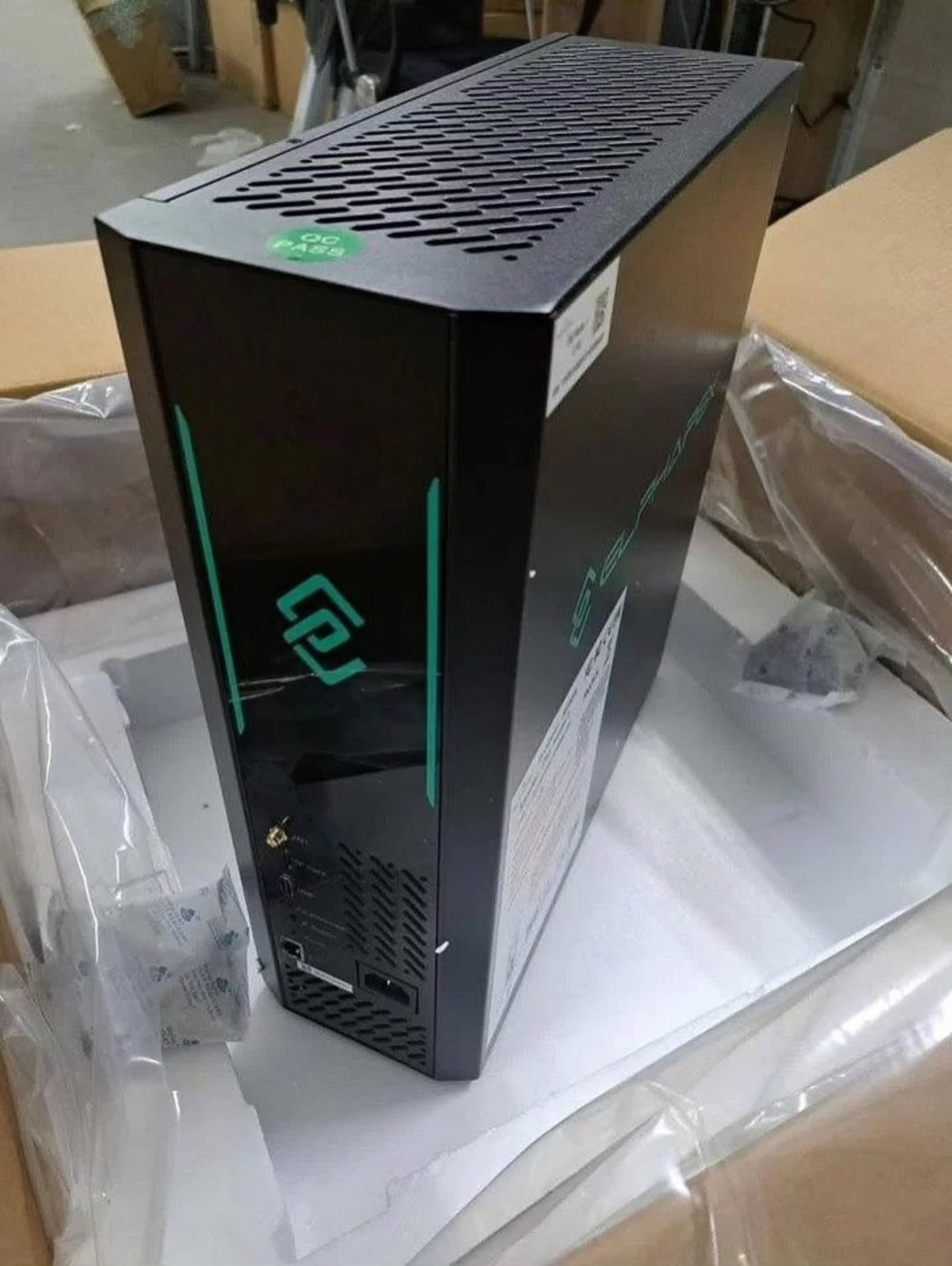
ElphaPex DG Home 2 Gh/s Quiet Dogecoin & Litecoin Miner
2 Gh/s | 620W
Scrypt (DOGE & LTC) · Used
$1,490$1,590
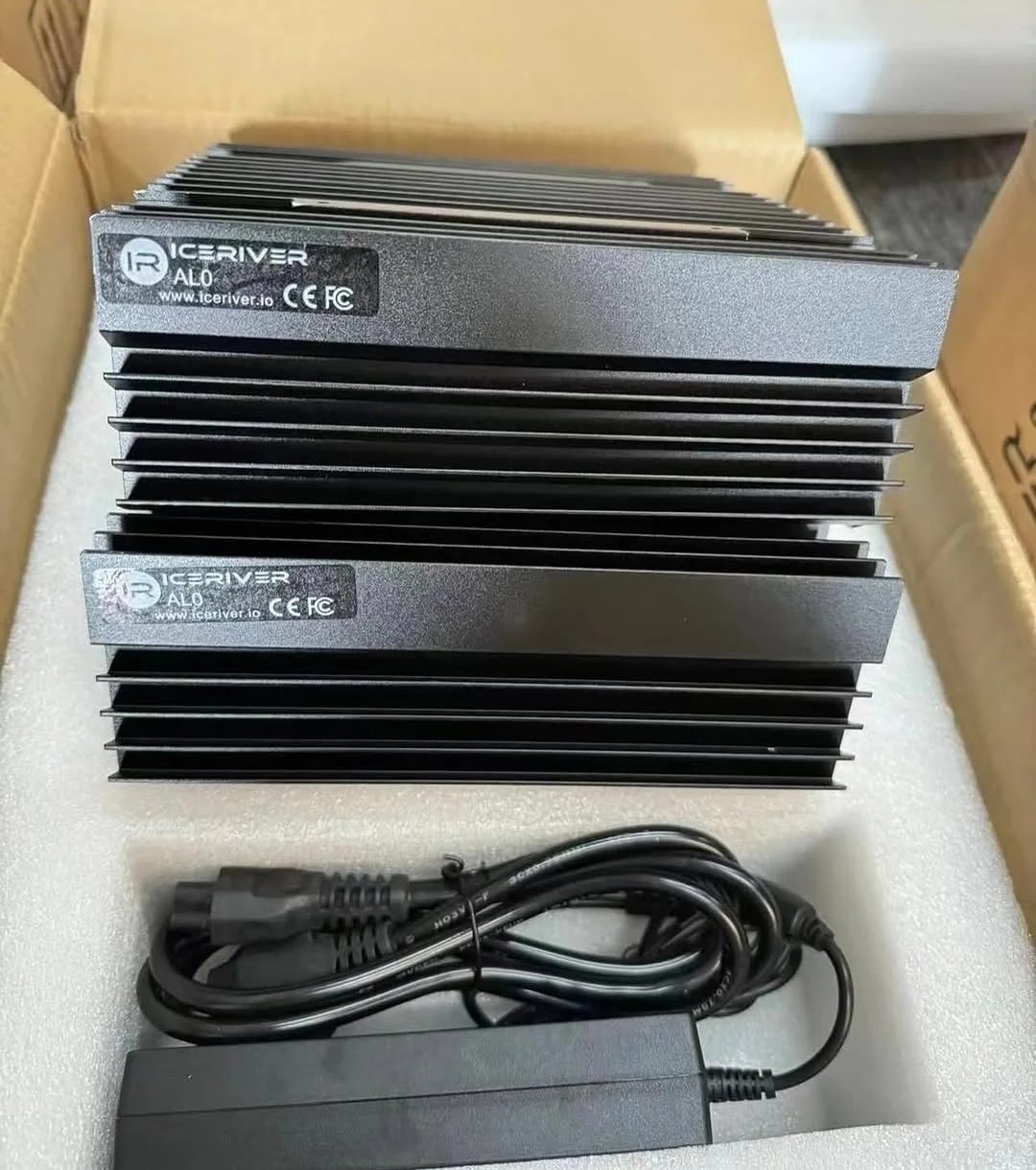
IceRiver AL0 ALEO Miner 50 Mh/s zkSNARK Prover
50 Mh/s | 100W
zkSNARK (Aleo) · Used
$590$649
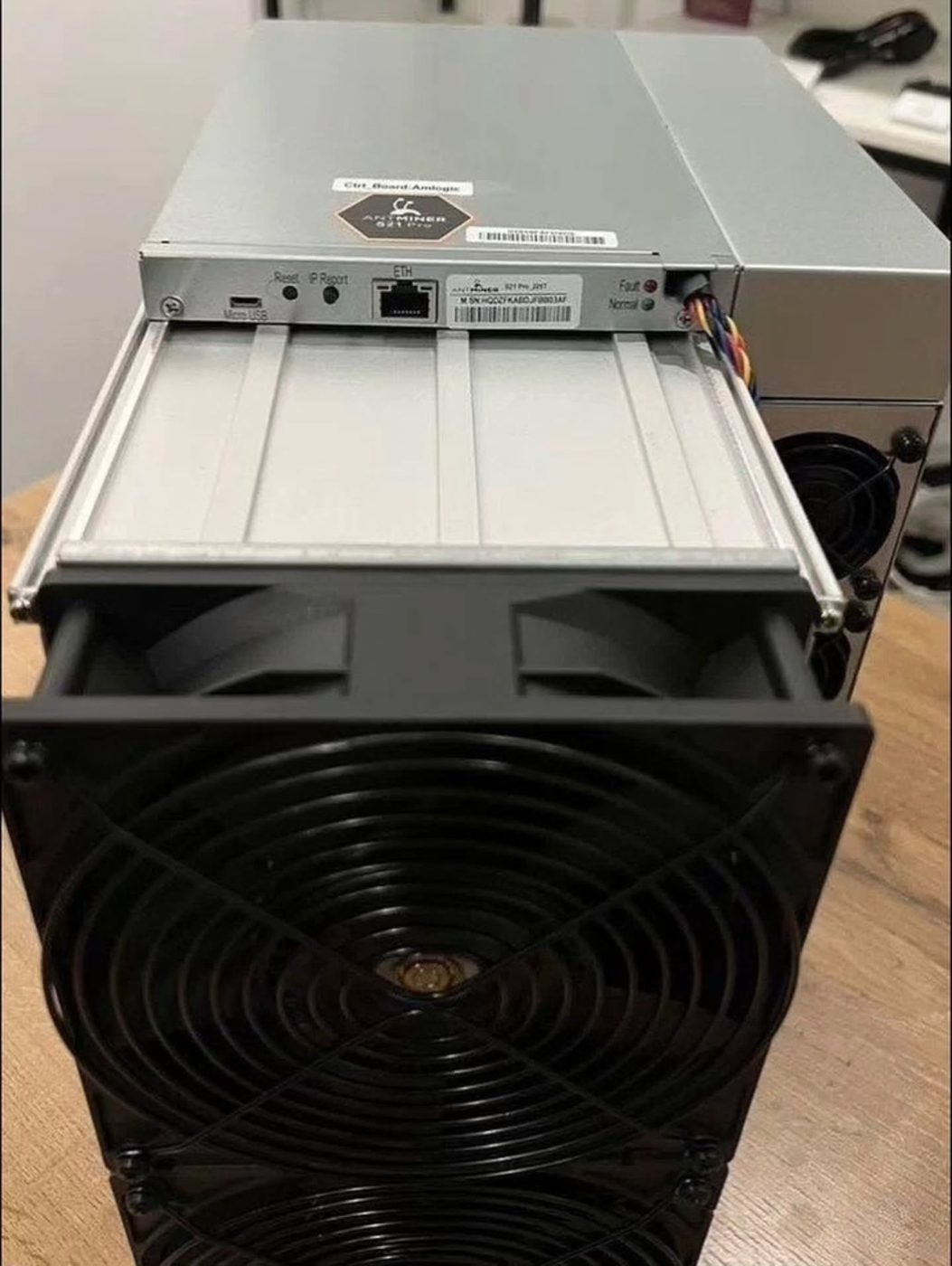
Used Bitmain Antminer S21 Pro 234 Th/s Bitcoin Miner
234 Th/s | 3510W
SHA-256 · Used
$3,990$4,290
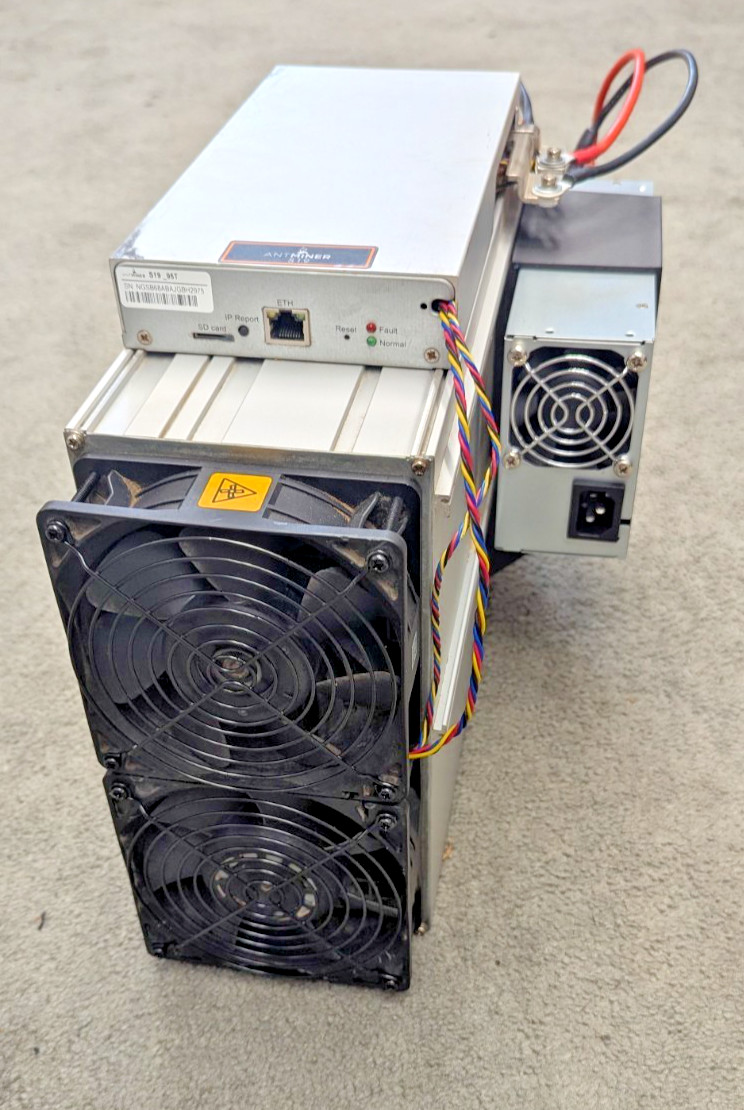
Antminer S19 95TH/s Loki Rig – 42TH 1000W Plug-and-Play 110V Home Bitcoin Miner
42 TH/s | 1000W
SHA-256 · Used
$375
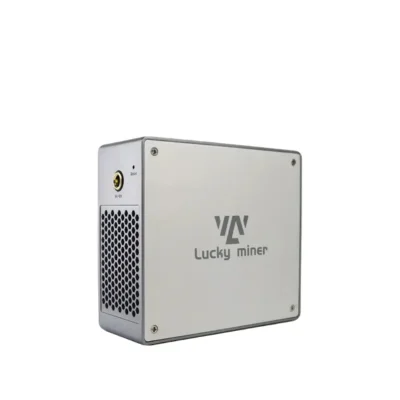
Lucky Miner LV07 Pro 3 TH/s Quiet Home Bitcoin Miner
3 TH/s | 50W
SHA-256 · New
$199
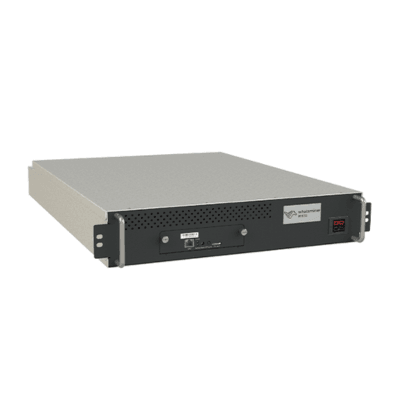
MicroBT Whatsminer M6DS++ Hydro 592 TH/s Bitcoin Miner
592 TH/s | 9200W
SHA-256 · New
$4,959
Want the numbers run for your site?
Send us your electricity rate, available amperage and budget. We will model the machines that actually pay back at your power cost — no obligation.
Talk to an engineer