
Profitability · September 6, 2026 · 8 min read
Crypto Mining Explained: Which Coins Are Worth Mining
Crypto mining covers every proof-of-work coin, not just bitcoin, and each algorithm demands different hardware. Bitcoin uses SHA-256 and requires ASICs; Litecoin and Dogecoin use Scrypt; Kaspa uses kHeavyHash; Monero deliberately favours ordinary CPUs.
This guide maps the main algorithms to the hardware that mines them, and explains how to judge whether a given coin is worth your electricity today rather than in a bull-market fantasy.
Algorithms Decide Your Hardware
An ASIC is built for one hash function. A SHA-256 machine mines bitcoin and its forks and nothing else; a Scrypt machine mines Litecoin and Dogecoin; a kHeavyHash unit mines Kaspa. There is no switching between algorithms on the same hardware.
This is why algorithm choice is really a hardware purchase decision. Before buying any miner, confirm which coins share its algorithm, because that set defines every market you can ever sell hashrate into.
SHA-256: Bitcoin and the Deepest Market
SHA-256 hosts by far the most hashrate, the most hardware competition and the deepest resale market. Margins are tight and difficulty climbs relentlessly, but liquidity is excellent: the coin you earn is bitcoin, and the machine you own has buyers worldwide.
For most operators this is the default choice. Efficiency discipline matters most here precisely because competition is fiercest, which is why current-generation hydro and air flagships dominate professional fleets.
Scrypt and Merge-Mined Coins
Scrypt machines such as the Antminer L7 and L9 mine Litecoin while simultaneously earning Dogecoin through merge mining, which means two revenue streams from one unit of electricity. That dual income has historically made Scrypt hardware competitive with bitcoin machines.
The trade-off is a smaller hardware market and fewer model choices, so pricing can be volatile and spare parts less abundant. Buy Scrypt hardware when the dual-coin revenue and your power price genuinely beat SHA-256 alternatives.
Monero and CPU-Mineable Coins
Monero's RandomX algorithm is deliberately memory-hard and ASIC-resistant, which keeps mining accessible to ordinary CPUs. It is the realistic entry point for anyone who wants to mine without industrial hardware, though earnings per machine are modest.
Treat CPU mining as participation and learning rather than a business. The economics rarely justify buying hardware specifically for it, but running it on machines you already own can make sense.
How to Judge Any Coin Before You Buy Hardware
Check three things: daily revenue per unit of hashrate at current prices, how liquid the coin is when you need to sell, and how fast difficulty has grown over the last six months. A coin with attractive revenue but no liquidity is a trap.
Then confirm the hardware has a secondary market. Owning the only machine for a dying algorithm means both your income and your resale value can go to zero simultaneously, which is the classic way altcoin miners lose money.
Where Diversification Actually Helps
Running a bitcoin fleet alongside a smaller Scrypt or kHeavyHash allocation spreads exposure across difficulty cycles and can smooth revenue. It also means part of your income arrives in assets that behave differently from bitcoin.
Keep it deliberate: diversify because the underlying economics stand up on their own, never because a new coin is marketed as the next big thing. We stock SHA-256, Scrypt and kHeavyHash hardware and will quote delivered pricing per terahash on any of them.
Frequently Asked Questions
- Which cryptocurrency is most profitable to mine?
- It changes with price and difficulty. Bitcoin offers the deepest liquidity and resale market, while Scrypt hardware earning Litecoin plus Dogecoin is frequently competitive at low power rates.
- Can one machine mine different coins?
- Only coins sharing its algorithm. A SHA-256 ASIC cannot mine Litecoin or Kaspa; you would need Scrypt or kHeavyHash hardware respectively.
- Is Monero mining worth it?
- As a low-cost way to participate with CPUs you already own, yes. As a business built on purchased hardware, the returns rarely justify the investment compared with ASIC mining.
- Should I mine altcoins instead of bitcoin?
- Only when the revenue math, coin liquidity and hardware resale market all hold up. Otherwise bitcoin's depth and hardware liquidity usually make it the safer allocation.
Recommended Miners From Our Inventory
Hardware in stock that matches this guide. Every unit is bench-tested and hashrate-verified before it ships.

Bitmain Antminer AL1 16.6 Th/s ALPH Miner
16.6 Th/s | 3730W
Blake3 · New
$14,284
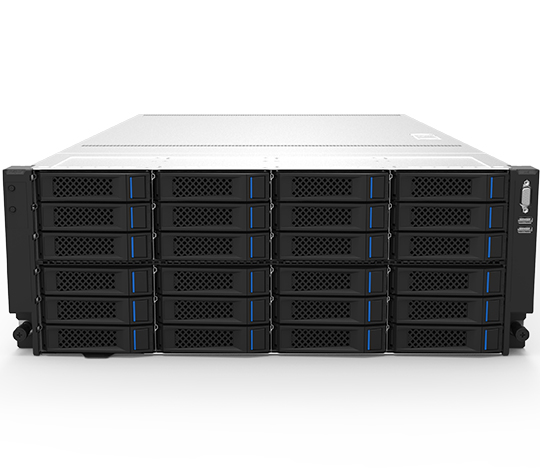
Bitmain Antminer On-Rack Filecoin Miner 4300T FIL Miner
4300T | -
PoST · New
$8,888
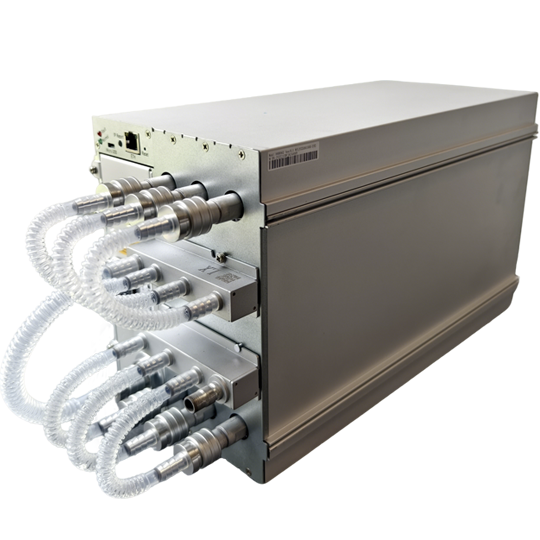
Bitmain Antminer S23 Hyd. 580 Th/s Bitcoin Miner
580 Th/s | 5510W
SHA-256 (Bitcoin) · New
$17,400
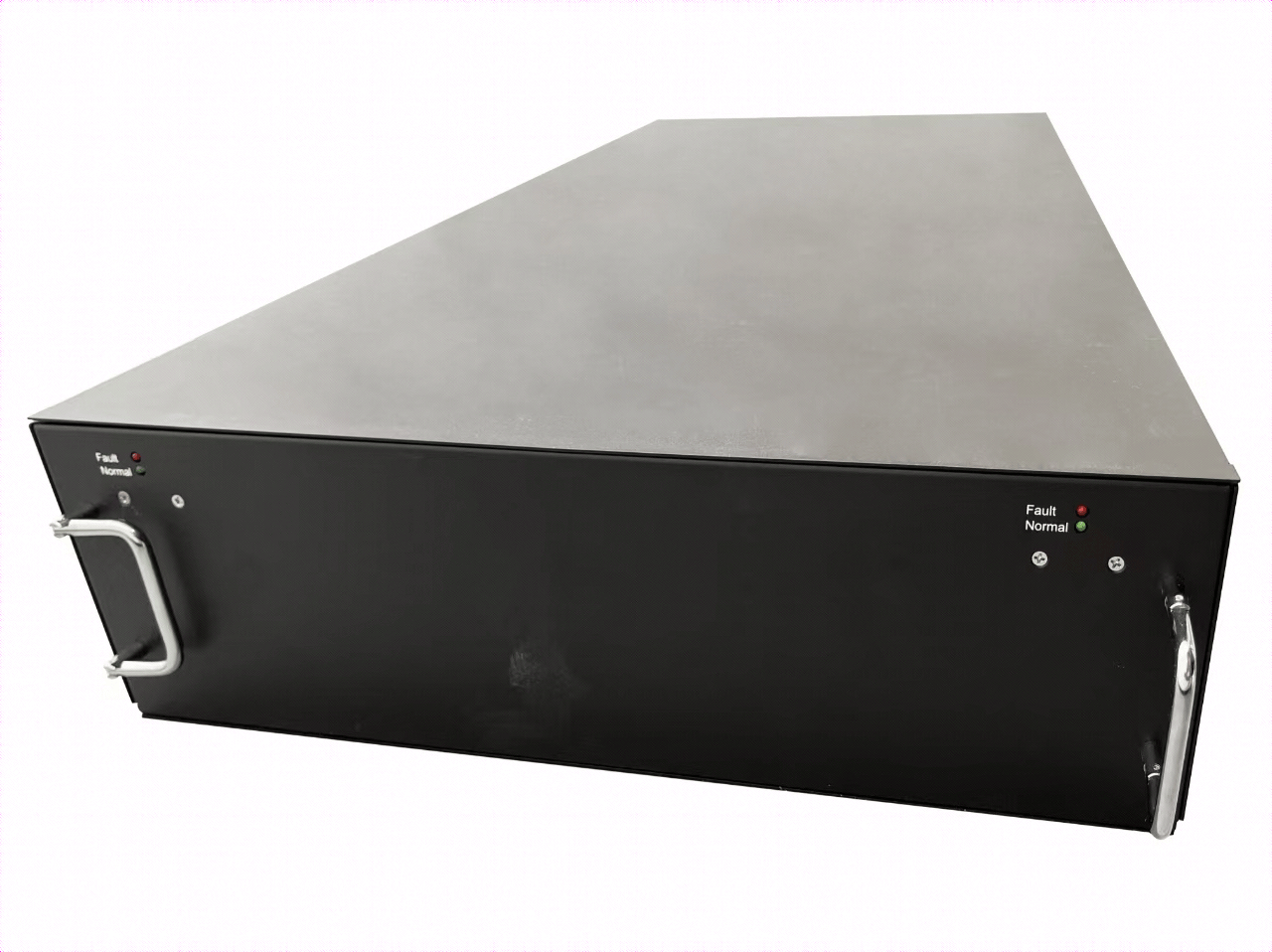
Bitmain Antminer U3S23H 1160 Th/s Bitcoin Miner
1160 Th/s | 11020W
SHA-256 (Bitcoin) · New
$34,800
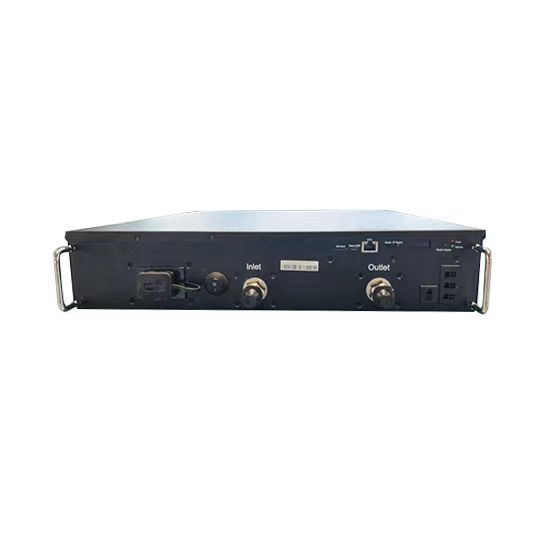
Bitmain Antminer L11 HU2 35 Gh/s LTC Miner
35 Gh/s | 5775W
Scrypt · New
$16,415
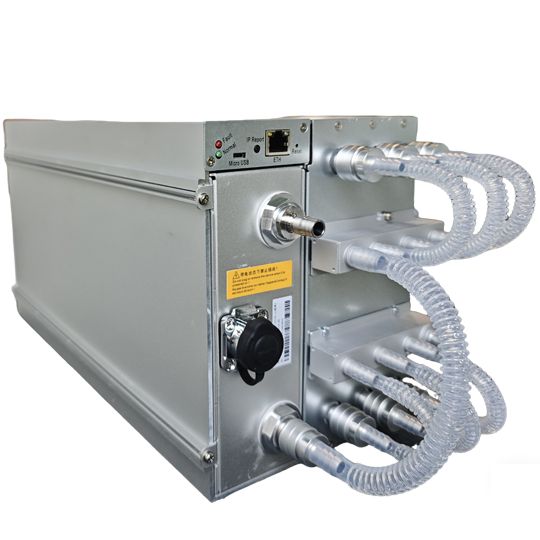
Bitmain Antminer S21 XP+ Hyd. 480 Th/s Bitcoin Miner
480 Th/s | 5280W
SHA-256 (Bitcoin) · New
$9,120
Want the numbers run for your site?
Send us your electricity rate, available amperage and budget. We will model the machines that actually pay back at your power cost — no obligation.
Talk to an engineer