
Profitability · September 6, 2026 · 8 min read
BTC Miner Buying Guide: Real Costs and Payback Math
The sticker price of a BTC miner is the smallest number in the deal. Over three years, electricity typically costs several times the hardware, and the gap between a good purchase and a bad one is decided by arithmetic you can do in ten minutes before you pay.
This guide lays out the full cost structure and the payback calculation we run with customers, so you can judge any listing — ours or anyone's — on numbers instead of enthusiasm.
Capital Cost: Think in Dollars Per Terahash
Divide the delivered price, including shipping and duties, by the machine's rated terahash. That single figure normalises across generations and instantly exposes overpriced listings. A machine that looks cheap in absolute terms is often expensive per terahash once you finish the division.
Paying a higher price per terahash is only rational when the extra spend buys materially lower joules per terahash. Otherwise you are simply funding someone else's inventory clearance.
Operating Cost: The Number That Decides Everything
Multiply the machine's wall power in kilowatts by 24 to get daily kilowatt-hours, then by your delivered rate. A 3.5 kilowatt unit at twelve cents per kilowatt-hour costs about ten dollars a day, every day, whether bitcoin is up or down.
Compare that daily cost against the machine's expected daily revenue at current hashprice. If the margin is thin today, remember difficulty tends to rise: model a steady decline in daily revenue rather than a flat line.
Hosting Versus Running It Yourself
Hosting charges a fixed rate per kilowatt-hour and bundles rack space, cooling, security and basic remote hands. For anyone on residential power it is often cheaper than self-hosting once you count the cost of electrical work, ventilation and your own time.
Self-hosting wins when you have genuinely cheap power, suitable space and the willingness to be the technician. Price both paths before deciding; the answer flips depending on your local tariff.
Maintenance, Spares and Downtime
Budget for fans, thermal paste, filters and at least one spare power supply per small fleet. Hashboard failures happen, and a machine waiting three weeks for a part earns nothing while its share of network hashrate keeps shrinking.
Uptime is a financial metric, not a technical one. Ninety-eight percent uptime against ninety percent is an eight percent revenue difference for identical hardware, which is why parts availability and repair turnaround belong in the purchase decision.
Residual Value and Exit Strategy
Mining hardware depreciates, but the secondary market is liquid, especially for Bitmain and MicroBT units where buyers trust parts supply and firmware support. Build an expected residual value into your model instead of assuming the machine is worthless at end of life.
We buy back and trade in qualifying fleets, which gives operators a defined exit and often makes an upgrade cycle cheaper than holding aging hardware through the next difficulty increase.
A Payback Calculation You Can Trust
Payback months equals delivered price divided by monthly net margin, where net margin is monthly revenue at current hashprice minus monthly power and hosting cost. Then stress-test it: rerun the same math with revenue twenty percent lower and power ten percent higher.
If the stressed case still pays back inside your tolerance, the purchase is sound. If only the optimistic case works, negotiate the price, choose a more efficient machine, or wait. Our sales desk will run this calculation with your real electricity rate before you commit capital.
Frequently Asked Questions
- How much can one BTC miner earn per day?
- Daily revenue equals your hashrate multiplied by current hashprice, minus power cost. It moves with bitcoin's price and network difficulty, so always model a range rather than a fixed figure.
- What is a good payback period for a bitcoin miner?
- Most operators target twelve to twenty-four months on new hardware and under twelve months on cheap used units. Anything longer leaves you exposed to difficulty growth and price drawdowns.
- Is it cheaper to host or run a miner at home?
- Hosting usually wins above roughly ten cents per kilowatt-hour, once electrical work, cooling and noise mitigation are counted. Below six cents, self-hosting is normally cheaper if you have the space.
- Do miners hold resale value?
- Yes, though it declines with each generation. Bitmain and MicroBT machines resell most reliably because spare parts and firmware support are widely available.
Recommended Miners From Our Inventory
Hardware in stock that matches this guide. Every unit is bench-tested and hashrate-verified before it ships.
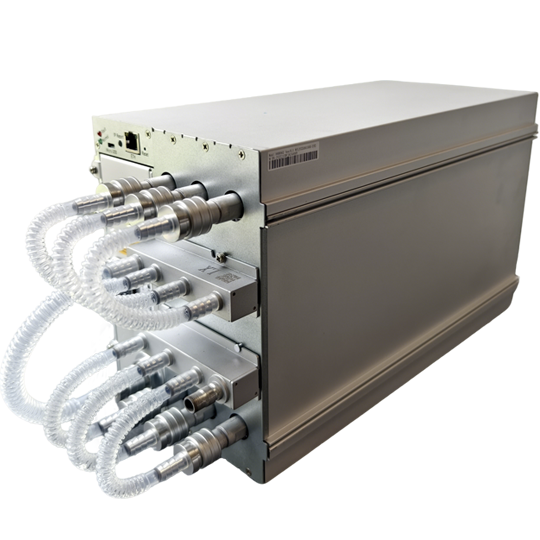
Bitmain Antminer S23 Hyd. 580 Th/s Bitcoin Miner
580 Th/s | 5510W
SHA-256 (Bitcoin) · New
$17,400
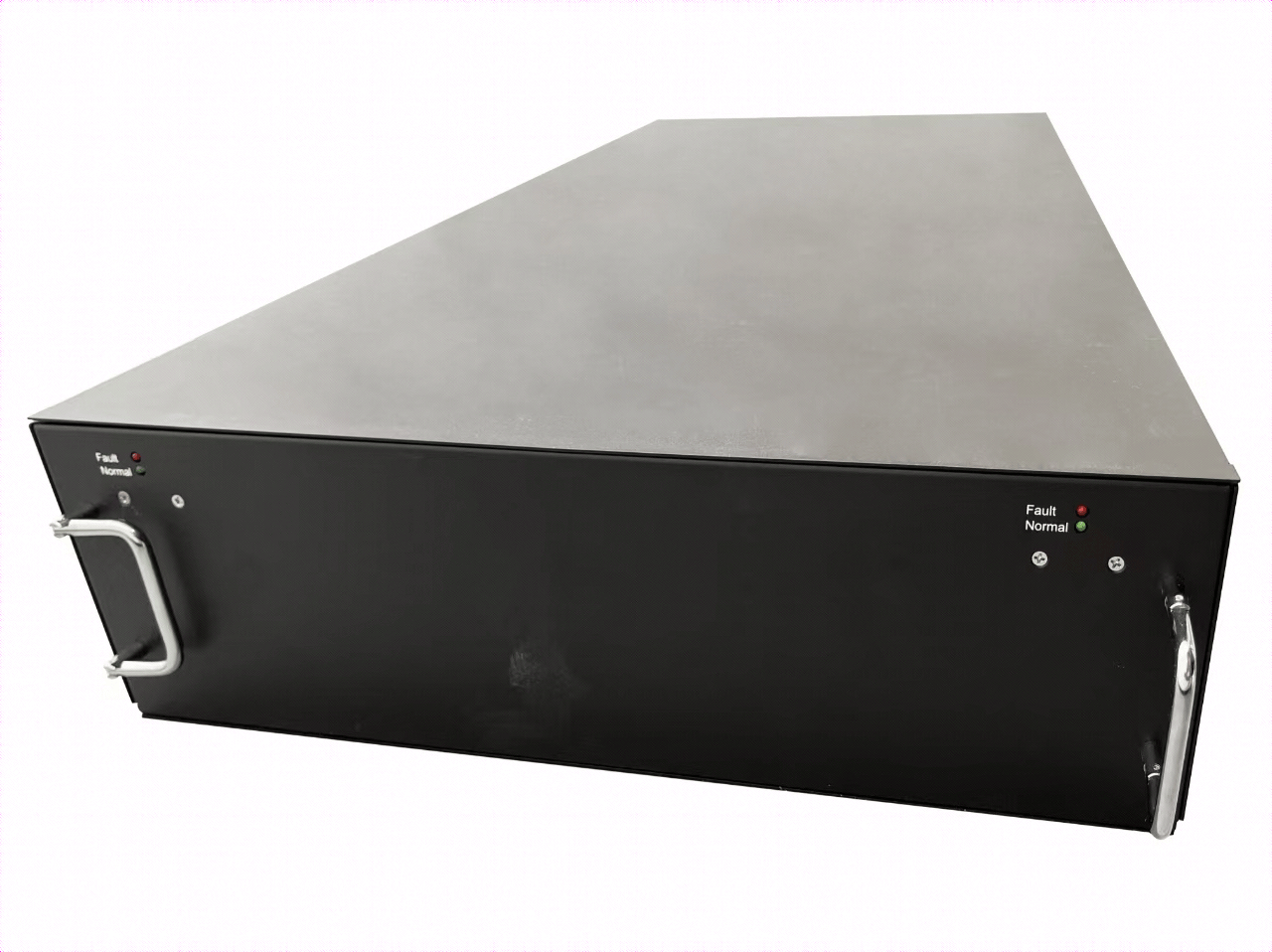
Bitmain Antminer U3S23H 1160 Th/s Bitcoin Miner
1160 Th/s | 11020W
SHA-256 (Bitcoin) · New
$34,800
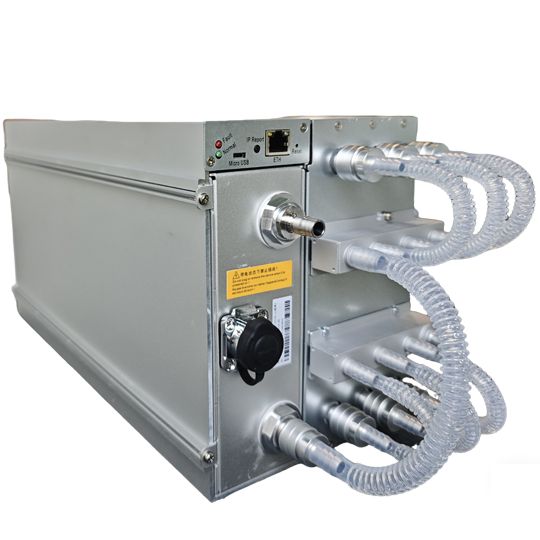
Bitmain Antminer S21 XP+ Hyd. 480 Th/s Bitcoin Miner
480 Th/s | 5280W
SHA-256 (Bitcoin) · New
$9,120
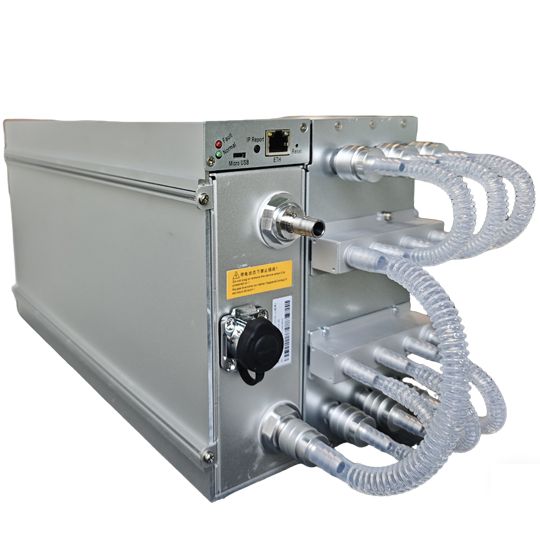
Bitmain Antminer S21j XP Hyd. 495 Th/s Bitcoin Miner
495 Th/s | 5940W
SHA-256 (Bitcoin) · New
$8,415
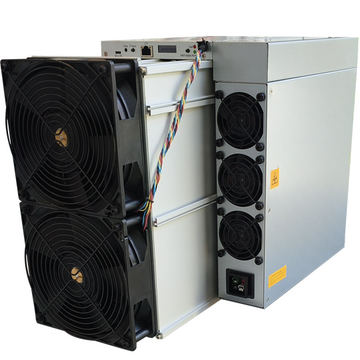
Bitmain Antminer S23 305 Th/s Bitcoin Miner
305 Th/s | 3355W
SHA-256 (Bitcoin) · New
$9,150

Bitmain Antminer S21 XP Hyd. 473 Th/s Bitcoin Miner
473 Th/s | 5676W
SHA-256 (Bitcoin) · New
$8,041
Want the numbers run for your site?
Send us your electricity rate, available amperage and budget. We will model the machines that actually pay back at your power cost — no obligation.
Talk to an engineer