
Profitability · September 4, 2026 · 9 min read
Bitcoin Mining Profitability in March 2026: Cost Model
A monthly profitability question is really a hashprice question: how much revenue does one terahash per second earn per day, and how does that compare with the electricity your machine burns to produce it. Everything else — machine brand, firmware, pool choice — adjusts the answer by a few percent around those two numbers.
This guide gives you the March 2026 framework rather than a screenshot that expires. Plug today's hashprice into the same structure and the model stays correct next month, next quarter and after the next difficulty adjustment.
The Two Inputs That Drive Everything
Hashprice is daily network revenue divided by network hashrate, quoted in dollars per terahash per day. It falls when difficulty rises and rises when Bitcoin price or transaction fees rise. Your machine's efficiency, in joules per terahash, converts that revenue into a cost by fixing how many kilowatt hours each terahash consumes.
Break-even is where hashprice equals efficiency multiplied by your power rate. A 15 J/TH machine consumes 0.36 kWh per terahash per day, so at eight cents per kilowatt hour it needs roughly three cents per terahash per day just to cover power. A 30 J/TH machine needs double that.
Machine Tiers and Their March 2026 Positions
Current-generation hardware in the 12 to 18 J/TH band — S21 family, M60 and M6x series, Avalon A15 class — clears power costs at rates up to roughly twelve to fifteen cents in a normal market, which is why hosted fleets standardise on it. These machines carry the highest capital cost per terahash and need uptime to justify it.
Previous-generation units at 21 to 29 J/TH still work under about six cents. Legacy sub-40 J/TH hardware needs curtailed, stranded or behind-the-meter power. Sort candidates into these three buckets before comparing prices; a cheap machine in the wrong bucket for your tariff is not cheap.
Costs Operators Forget
Pool fee of one to two percent, PSU conversion losses of four to eight percent already included if you meter at the wall, roughly one to three percent downtime for maintenance and firmware, plus derating of a few percent when intake air is warm. Together these trim five to fifteen percent off a naive spreadsheet.
Then add the fixed costs: shipping and duty amortised over the life of the machine, spares inventory, electrical work, cooling fans or pumps, and your own time. A model that ignores fixed costs shows profit right up to the month you replace a hashboard.
Difficulty Drift and the Twelve-Month View
Assume difficulty keeps grinding upward. Model a base case of one to two percent growth per adjustment period and a stress case of three percent, then check whether your machine still clears power costs twelve months out. Anything that only works at today's difficulty is a short-horizon trade, not an investment.
This is why efficiency beats headline hashrate. Difficulty growth is effectively a slow tax on joules per terahash, so the lower your J/TH, the longer your machine stays on the right side of break-even.
Turning the Model into a Purchase
Set your power rate, choose the tier the rate allows, then compare delivered price per terahash inside that tier only. Our stock listings publish hashrate, wall draw, efficiency and condition on every product page so the comparison takes minutes, and the sales desk will run the payback with you at your own rate.
Buy for the site you actually have. A 3,500 W hydro flagship is the wrong answer for a garage with a 15 A circuit, no matter how good its joules per terahash look on paper.
Frequently Asked Questions
- What is hashprice and where do I find it?
- Hashprice is daily mining revenue per terahash per second, published by several public mining data services. Use today's figure with your machine's efficiency and power rate to compute margin.
- Is bitcoin mining profitable in March 2026?
- For efficient hardware on competitive power, yes. For sub-25 J/TH machines on residential tariffs, usually not. Profitability is a function of your specific power rate, not a market-wide yes or no.
- How often should I rerun the numbers?
- Every difficulty adjustment — roughly every two weeks — and any time Bitcoin moves sharply. Quarterly reviews are too slow to catch a fleet drifting below break-even.
- Does firmware tuning change the answer?
- Yes, meaningfully. Underclocking with Braiins OS+ or Vnish can improve joules per terahash by ten to twenty percent, which can move a marginal machine back above break-even on expensive power.
- What margin should I aim for?
- Target power costs below sixty percent of gross revenue so you have room for difficulty growth and downtime. Thinner margins leave no buffer for a bad month.
Recommended Miners From Our Inventory
Hardware in stock that matches this guide. Every unit is bench-tested and hashrate-verified before it ships.

Bitmain Antminer AL1 16.6 Th/s ALPH Miner
16.6 Th/s | 3730W
Blake3 · New
$14,284
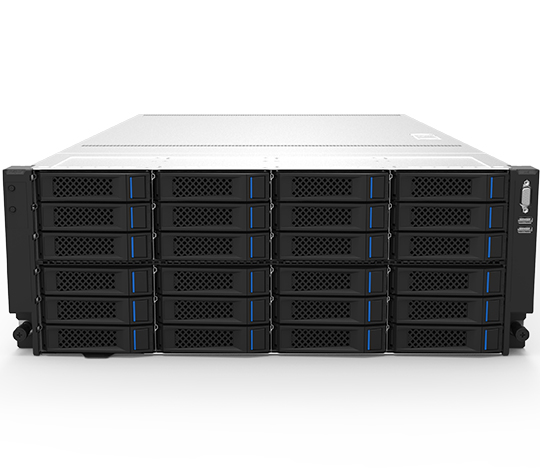
Bitmain Antminer On-Rack Filecoin Miner 4300T FIL Miner
4300T | -
PoST · New
$8,888
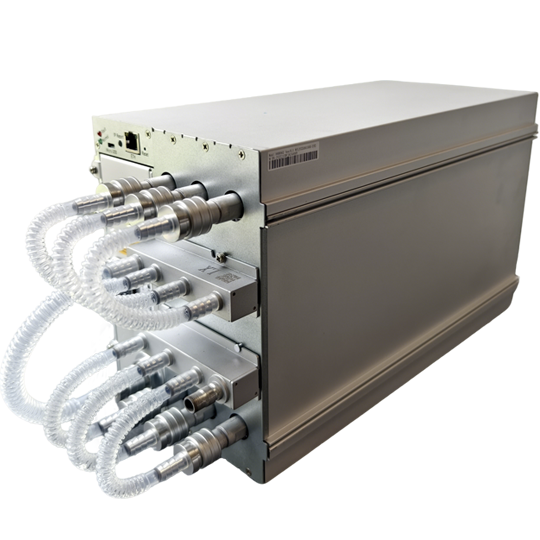
Bitmain Antminer S23 Hyd. 580 Th/s Bitcoin Miner
580 Th/s | 5510W
SHA-256 (Bitcoin) · New
$17,400
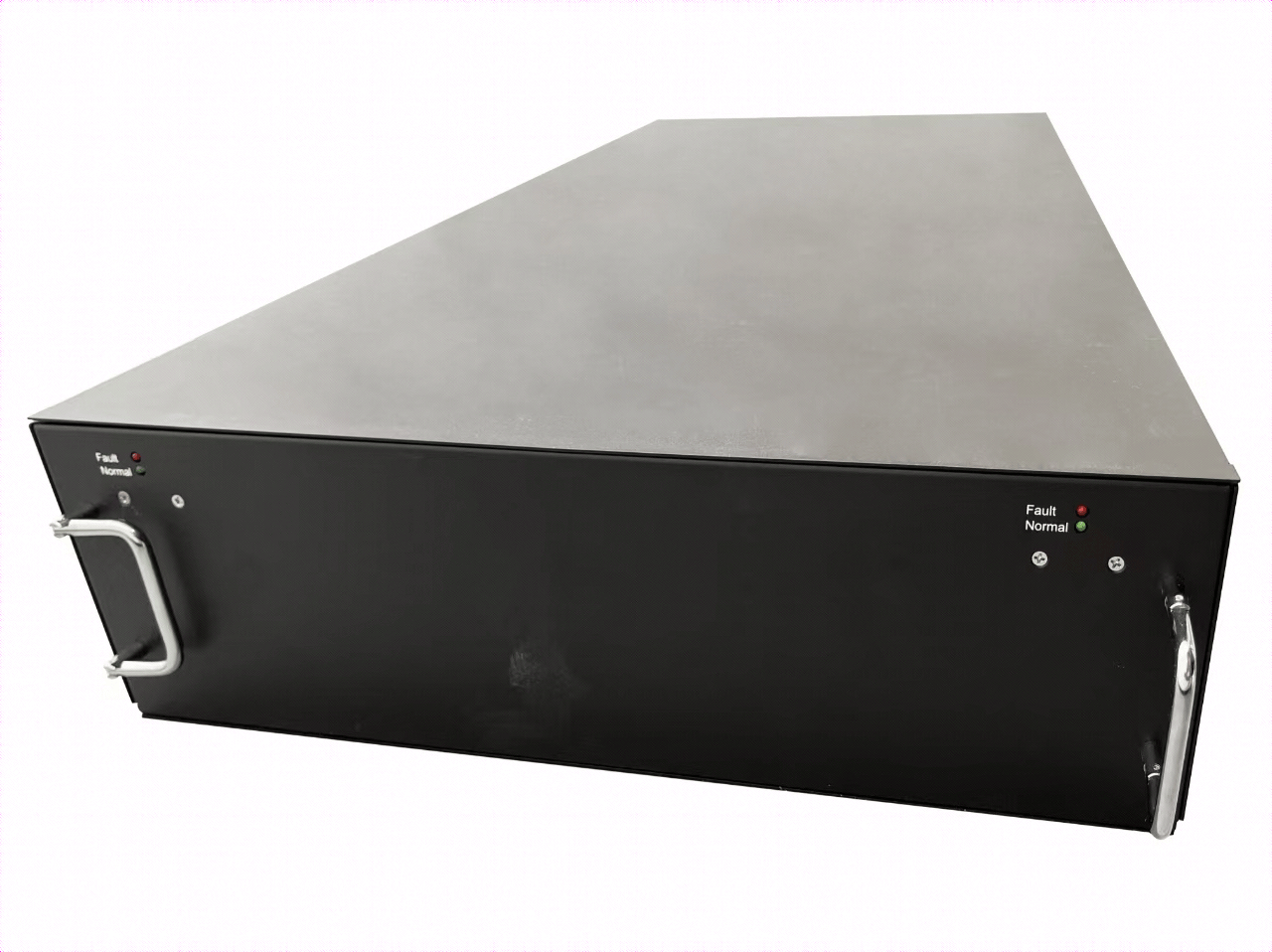
Bitmain Antminer U3S23H 1160 Th/s Bitcoin Miner
1160 Th/s | 11020W
SHA-256 (Bitcoin) · New
$34,800
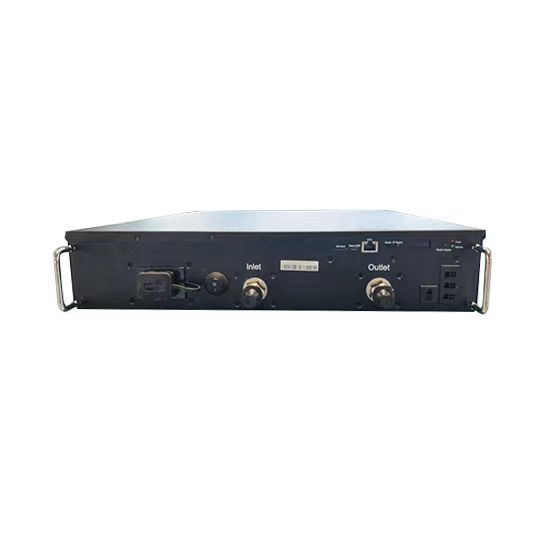
Bitmain Antminer L11 HU2 35 Gh/s LTC Miner
35 Gh/s | 5775W
Scrypt · New
$16,415
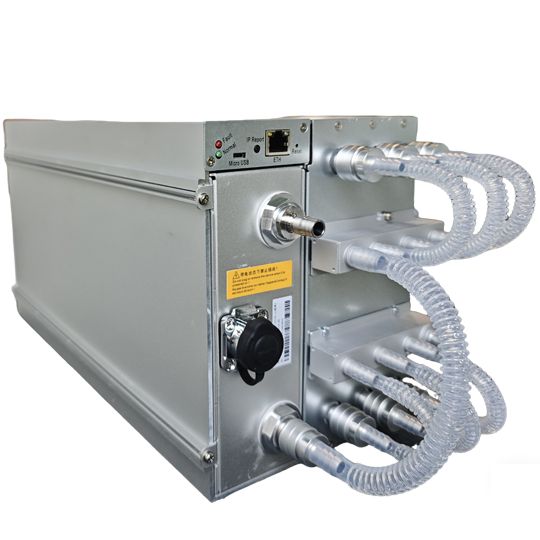
Bitmain Antminer S21 XP+ Hyd. 480 Th/s Bitcoin Miner
480 Th/s | 5280W
SHA-256 (Bitcoin) · New
$9,120
Want the numbers run for your site?
Send us your electricity rate, available amperage and budget. We will model the machines that actually pay back at your power cost — no obligation.
Talk to an engineer