
Hardware Rankings · September 4, 2026 · 10 min read
ASIC vs GPU Mining in 2026: Which Hardware Actually Earns
ASIC versus GPU mining is not a question of which machine is faster — it is a question of which algorithm you intend to mine and how much you pay for electricity. An ASIC is a chip fabricated to compute exactly one hash function, so on that function it is thousands of times more efficient than a graphics card. A GPU is a general-purpose processor that can switch coins overnight and be resold into the gaming and AI markets when mining stops paying.
This guide compares the two on the numbers that decide returns: joules per hash, capital cost per unit of hashrate, algorithm flexibility, resale liquidity and operational overhead. Every recommendation points to hardware we stock and test in Hong Kong, so you can move from the comparison to a shortlist in one step.
Efficiency: The Gap Is Not Close on SHA-256
A modern SHA-256 ASIC such as an Antminer S21 family unit does roughly 13 to 18 joules per terahash. A high-end GPU mining SHA-256 would need billions of joules for the same work, which is why no one has GPU-mined Bitcoin profitably since 2011. For Bitcoin, Kaspa, Litecoin, Dash and Handshake, the ASIC wins by orders of magnitude and the comparison is effectively closed.
The GPU case only exists on algorithms deliberately designed to resist ASICs, or on new coins where no ASIC has shipped yet. On those chains a GPU farm can earn well for a window of months, but that window closes the moment a manufacturer announces silicon — which is exactly what happened to Ethash, Kadena, Alephium and Blake3.
Capital Cost per Unit of Hashrate
Price per terahash is where buyers get surprised. A used previous-generation ASIC often costs under ten dollars per terahash delivered, while a GPU rig costs thousands of dollars for hashrate that is not even measured on the same scale. If your goal is Bitcoin exposure through mining, an ASIC always gives more hash per dollar.
GPUs charge a premium for optionality: the ability to switch coins, mine a launch, run AI inference jobs, or sell the cards into a deep second-hand market. Pay that premium only if you will genuinely use the flexibility. Most buyers who tell us they want to switch coins never do.
Coin Flexibility and Algorithm Risk
An ASIC is a bet on one algorithm and the coins that use it. A SHA-256 machine mines Bitcoin and its forks. A Scrypt machine such as the Antminer L7 or L9 mines Litecoin with merge-mined Dogecoin. If that algorithm's price or difficulty turns against you, your only levers are power cost, firmware tuning and selling the machine.
GPU rigs hedge that risk by rotating between whatever is most profitable this week. The hedge is real but small: profit-switching pools typically move margins by single-digit percentages, while the ASIC efficiency advantage on a supported algorithm is measured in multiples. Diversification does not beat a tenfold efficiency gap.
Noise, Heat and Where You Can Actually Run Each
Air-cooled ASICs run at 70 to 80 dB — genuinely loud, closer to a shop vacuum than a computer. They belong in a garage, outbuilding, container or hosting facility unless you buy a low-wattage home unit or a hydro model plumbed to a dry cooler. GPU rigs sit at 40 to 55 dB and can share a spare room, which is why hobbyists start there.
Heat is proportional to power in both cases: every watt becomes a watt of heat. A single 3,500 W hydro miner rejects more heat than a domestic boiler, and that is an infrastructure problem, not a preference. Plan airflow at roughly 20 CFM per 100 W for air units, or a coolant loop sized to the full nameplate load for liquid machines.
The Decision Rule We Give Buyers
Mine Bitcoin or another ASIC-supported chain? Buy an ASIC, and buy on joules per terahash first, price per terahash second. Under about six cents per kilowatt hour a used S19-class or M30S-class unit usually pays back fastest; above ten cents only current-generation hardware in the 12 to 18 J/TH band holds margin through difficulty growth.
Want to experiment across new chains, keep resale optionality, or run compute workloads between mining cycles? Build with GPUs and accept lower hash per dollar as the price of that freedom. If you are unsure, start with one tested ASIC rather than a multi-card rig: it is cheaper, the payback model is simpler, and our desk can size the circuit with you before you buy.
Frequently Asked Questions
- Is ASIC mining more profitable than GPU mining in 2026?
- On any algorithm an ASIC supports, yes — usually by a wide margin, because the efficiency gap is measured in multiples rather than percentages. GPUs only win on deliberately ASIC-resistant chains or brand-new launches where no silicon exists yet.
- Can I mine Bitcoin with a GPU?
- Technically yes, practically no. A GPU produces a few gigahashes per second against network difficulty measured in zettahashes, so expected revenue is effectively zero. If you want Bitcoin from mining, you need a SHA-256 ASIC.
- Which is easier to resell, an ASIC or a GPU?
- GPUs, because gamers and AI buyers compete for them. ASICs resell into a smaller pool of miners and prices track Bitcoin and difficulty, so timing matters more. Buying used at a sensible entry price protects your downside.
- Do ASICs really use less electricity?
- They use less electricity per unit of useful work, which is what matters. In absolute terms a single ASIC often draws 3,000 W or more, so your circuit, breaker and cooling plan must be sized for the full nameplate load.
- What should a first-time buyer choose?
- One tested air-cooled ASIC on a dedicated 240 V circuit, sized to your power rate. It gives a clean payback model, resells to a known market, and our team can confirm the electrical and airflow requirements before you commit.
Recommended Miners From Our Inventory
Hardware in stock that matches this guide. Every unit is bench-tested and hashrate-verified before it ships.
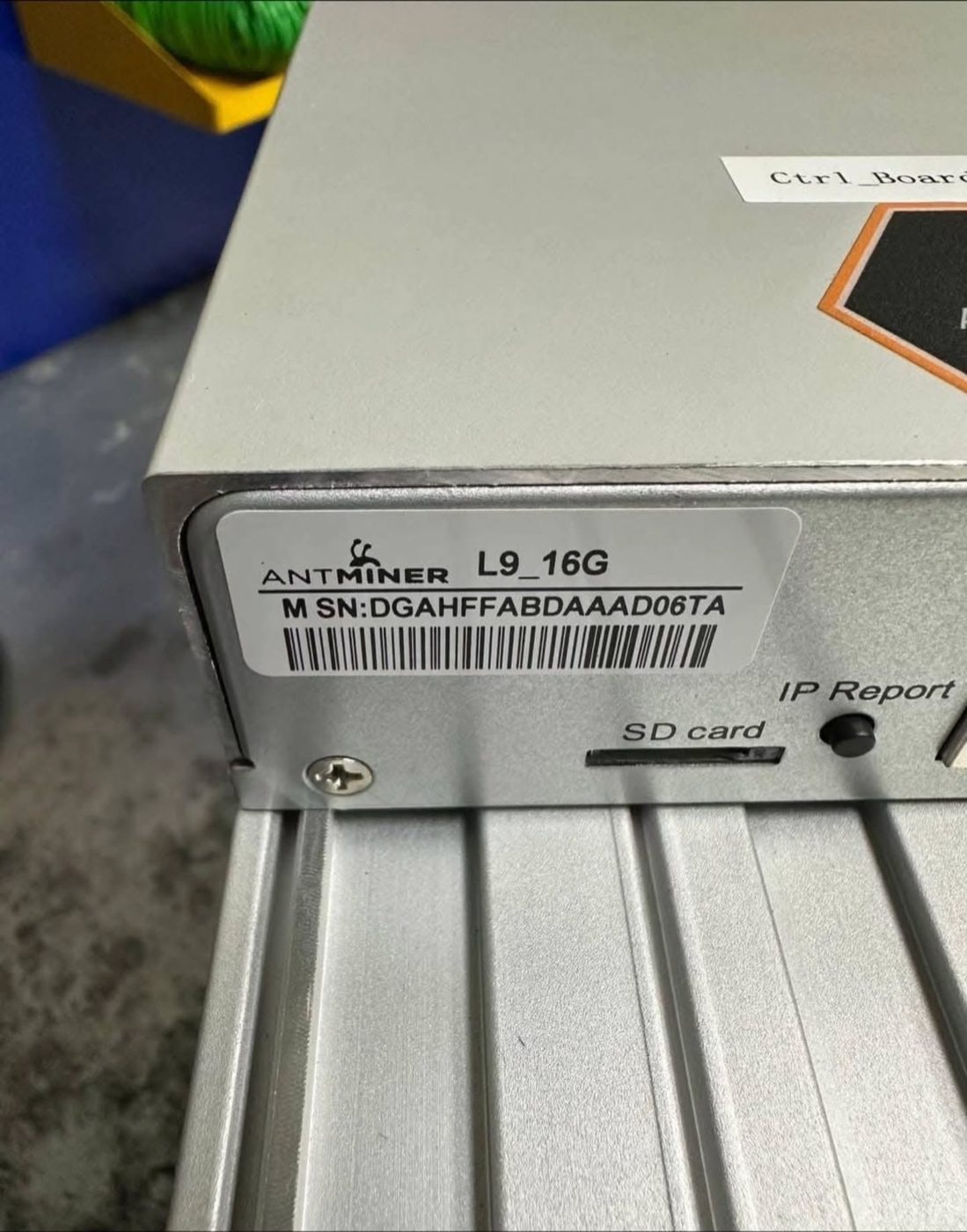
Used Bitmain Antminer L9 16 Gh/s Scrypt Dogecoin Miner
16 Gh/s | 3360W
Scrypt (DOGE & LTC) · Used
$8,990$9,450
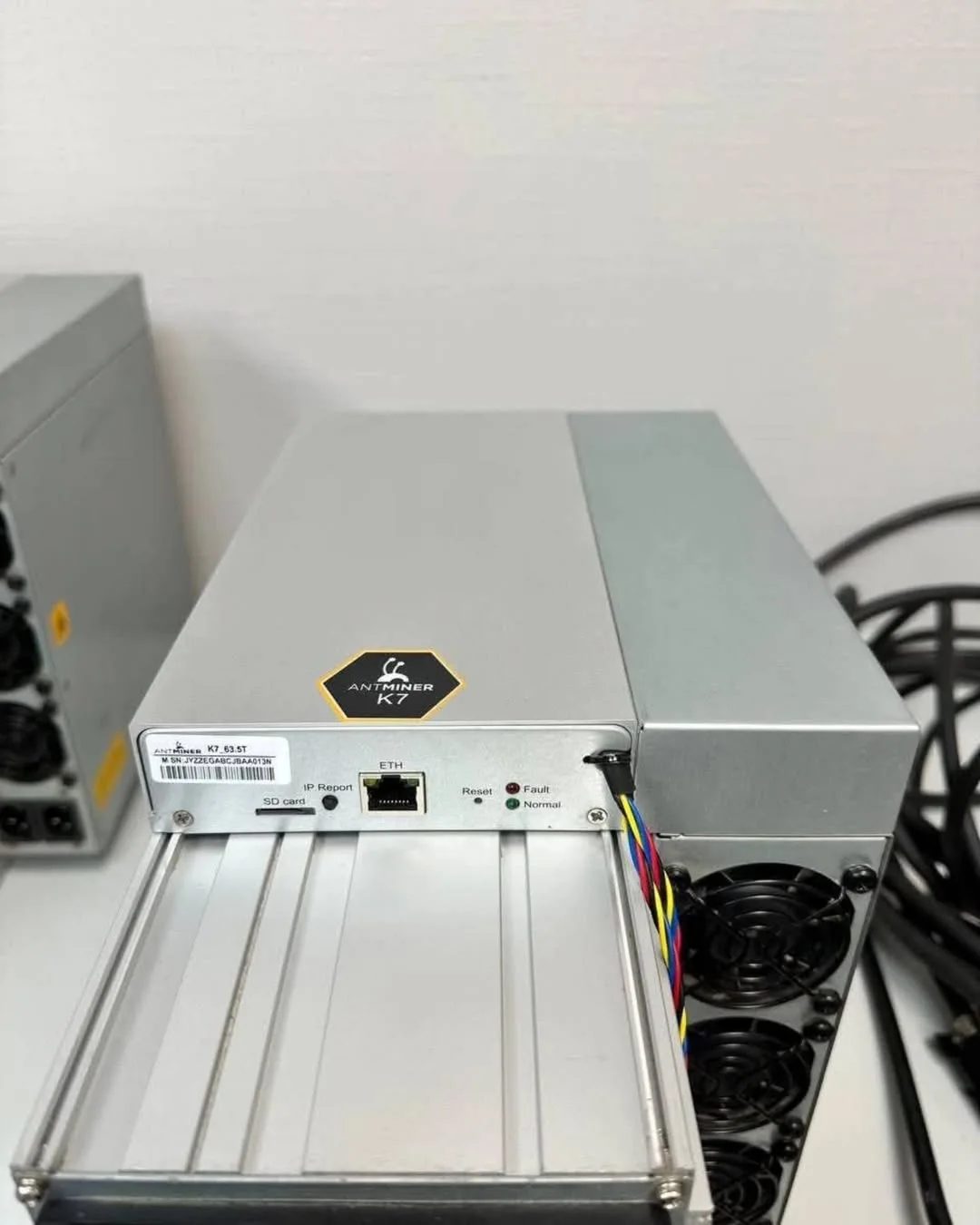
Used Bitmain Antminer K7 63.5 Th/s Nervos CKB Miner
63.5 Th/s | 3080W
Eaglesong (Nervos CKB) · Used
$1,150$1,290
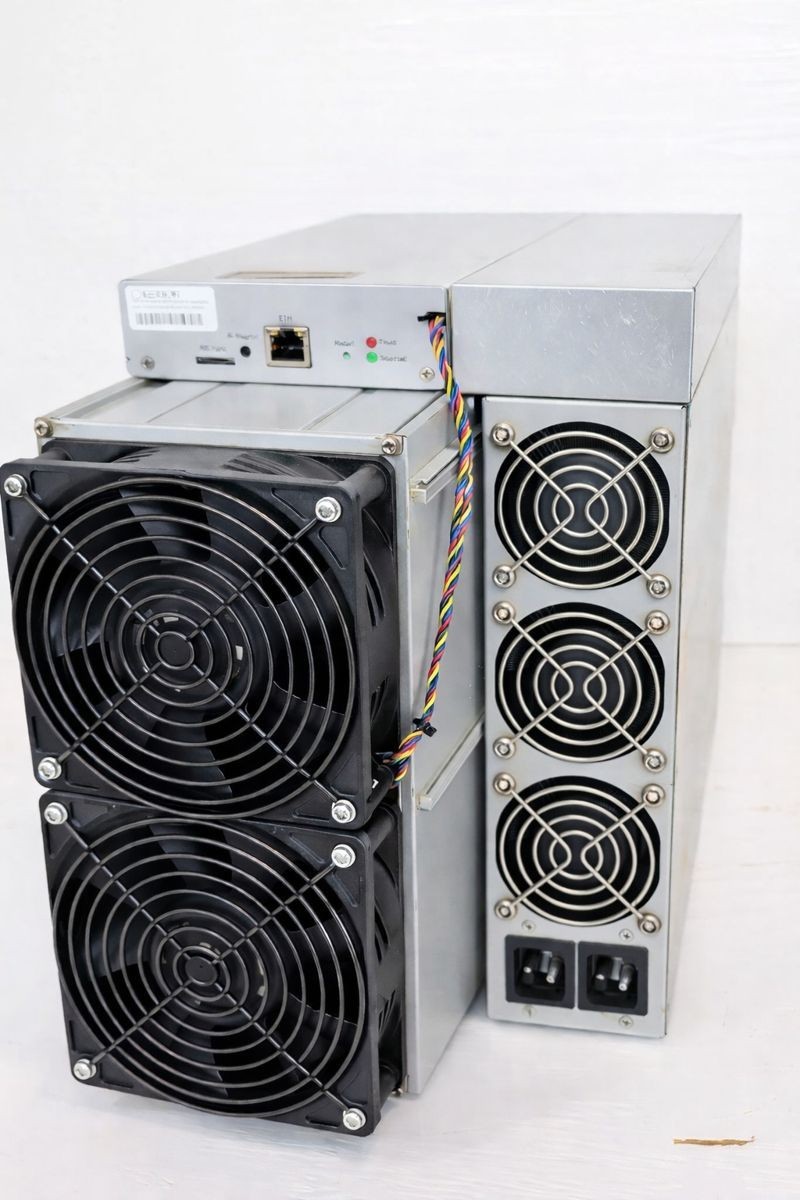
Bitmain Antminer S19 105TH/s Boosted Used ASIC Bitcoin Miner – Vnish OS Tuned
105 TH/s | 3400W
SHA-256 · Used
$150
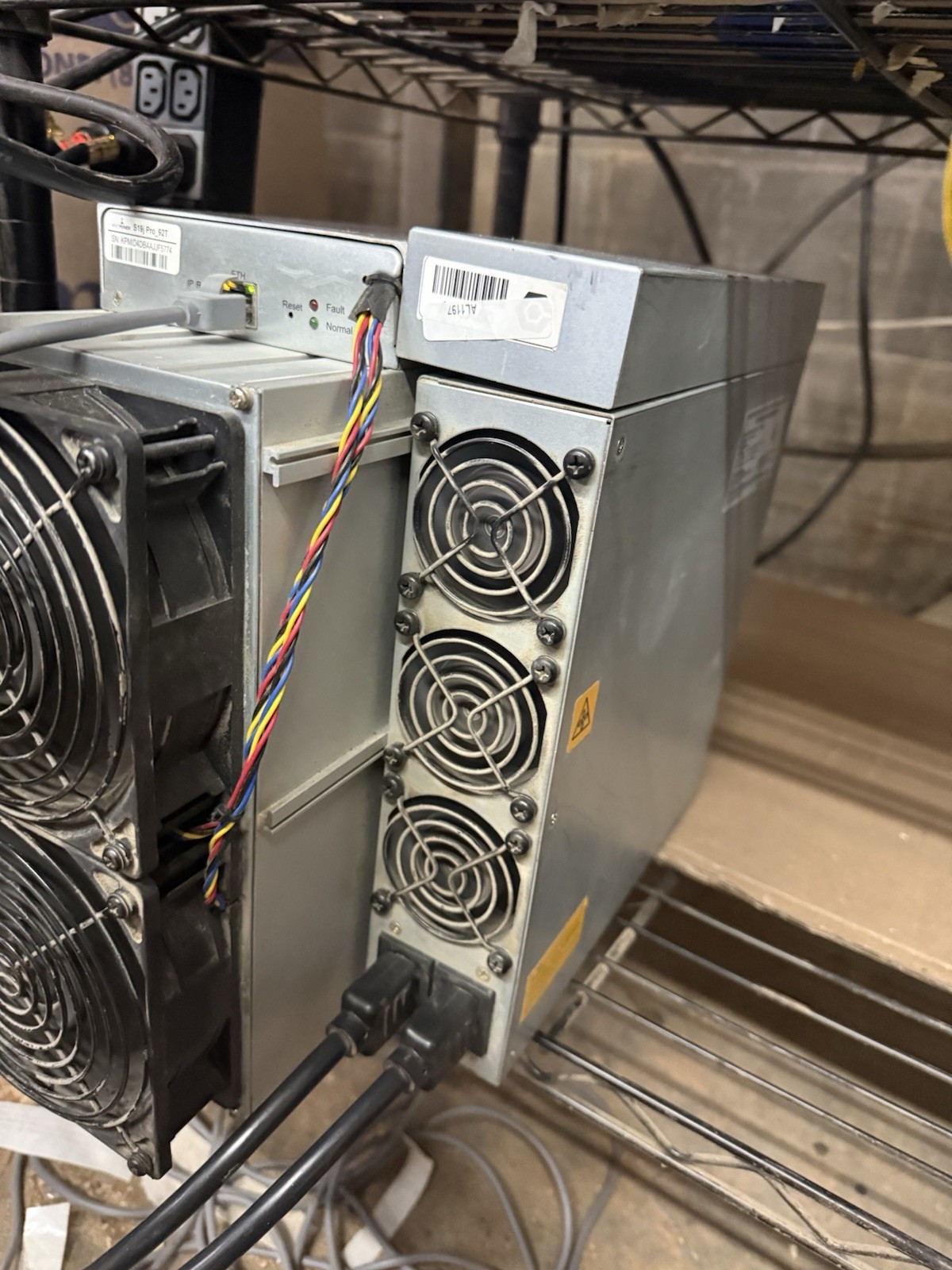
Bitmain Antminer S19j Pro 108TH Used ASIC Bitcoin Miner – Braiins OS Boosted
108 TH/s | 3250W
SHA-256 · Used
$300
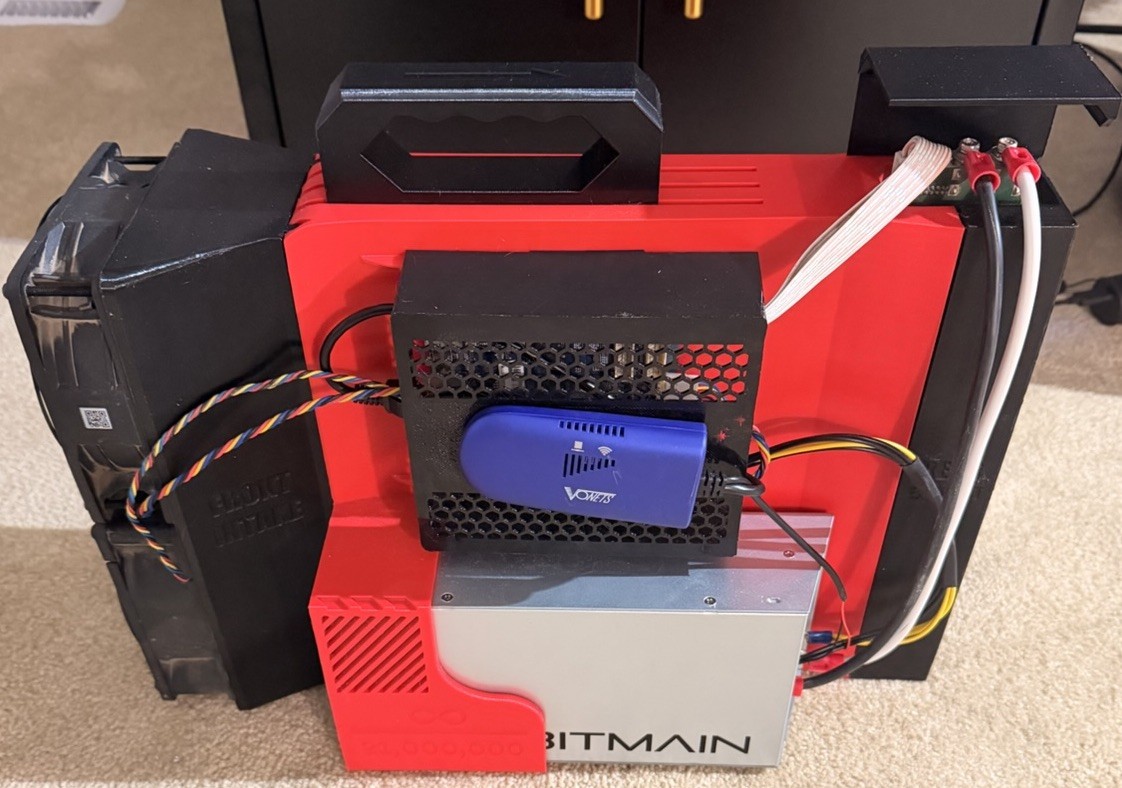
Bitmain Antminer S19 Home Miner 30TH/s – 700W, 28 J/TH, WiFi Capable Used ASIC
30 TH/s | 700W
SHA-256 · Used
$350
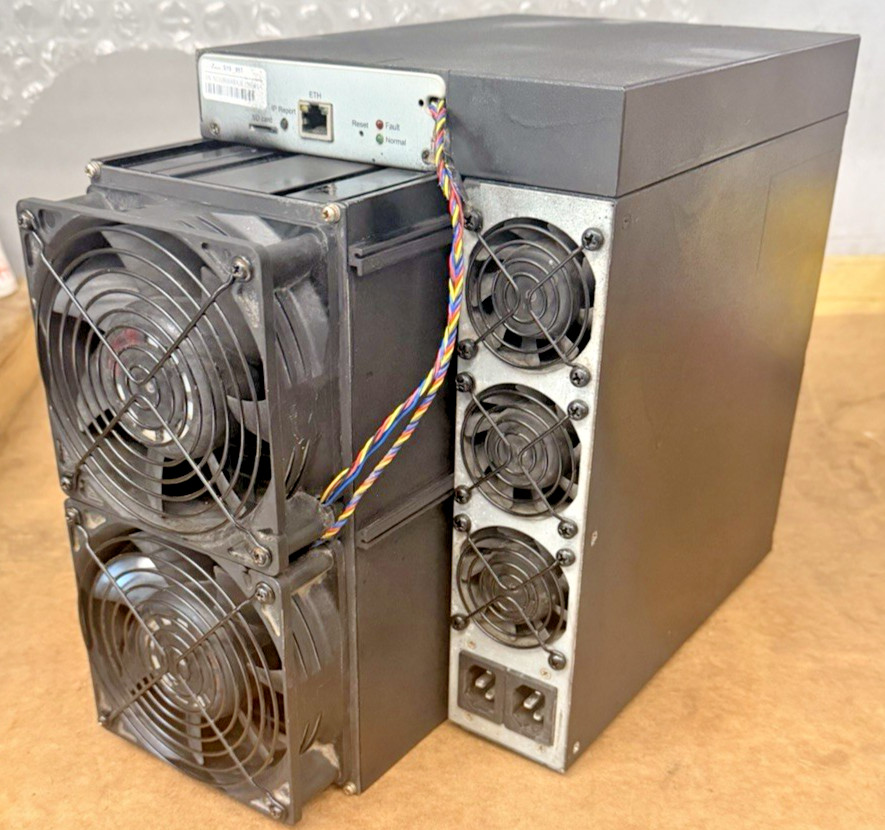
Bitmain Antminer S19 95TH/s Used ASIC Bitcoin Miner – Blackout Temp Coat, Vnish OS
95 TH/s | 3250W
SHA-256 · Used
$157
Want the numbers run for your site?
Send us your electricity rate, available amperage and budget. We will model the machines that actually pay back at your power cost — no obligation.
Talk to an engineer