
Profitability · September 4, 2026 · 9 min read
Antminer S9 Profitability in 2026: Can It Still Pay?
The Antminer S9 is the machine that taught a generation what mining sounds like. At roughly 13.5 TH/s and 1,350 W it works out near 100 J/TH — around six to eight times worse than current hardware — so its profitability today depends almost entirely on the price of the electricity you feed it.
This model uses conservative assumptions and no promotional math: nameplate hashrate derated for real intake temperatures, full wall draw including PSU losses, and pool fees included. The conclusion is blunt, and it is the same advice we give buyers who call our desk asking about cheap legacy units.
The Only Number That Matters: Your Power Rate
At 1,350 W an S9 consumes roughly 32.4 kWh per day. At ten cents per kilowatt hour that is about $3.24 per day in electricity, which comfortably exceeds what 13.5 TH/s earns at 2026 difficulty. At three cents the daily power cost drops near a dollar, and the machine moves from loss-making to marginally positive depending on Bitcoin price.
The practical break-even for an S9 sits somewhere between two and four cents per kilowatt hour, and it moves every difficulty adjustment. If you are paying a residential tariff anywhere in North America, Europe or Australia, an S9 loses money every hour it runs. That is arithmetic, not pessimism.
Where S9s Still Make Sense
Three cases genuinely work. Curtailed or stranded power — flare gas, hydro spill, behind-the-meter solar that would otherwise be wasted — where the marginal cost of electricity is near zero. Heat reuse, where the S9 replaces a resistive heater you were going to run anyway and the mining revenue is a rebate on your heating bill. And learning, where you want firmware, pool configuration, PSU swaps and thermal tuning experience before spending real money.
The fourth case is parts. S9 hashboards, control boards, fans and APW3 PSUs still keep older fleets alive, so a cheap unit can be worth more disassembled than hashing. We see operators buy lots specifically as donor stock.
Modelling It Properly in Five Lines
Daily revenue equals your hashrate share of the network multiplied by daily block issuance and fees, minus pool fee. Daily cost equals kilowatts multiplied by 24 multiplied by your rate. Subtract, and you have gross margin per machine per day. Divide the delivered purchase price by that margin and you have payback in days — if the margin is negative, there is no payback at any price.
Run the model at three Bitcoin prices and two difficulty growth assumptions. A legacy machine is highly sensitive to both, so a spread tells you far more than a single point estimate. Rerun it after every difficulty adjustment rather than trusting a figure from last quarter.
Hosting an S9 Almost Never Works
Hosting contracts price per kilowatt, not per terahash, so a hosted S9 pays commercial-rate power plus a hosting margin for hashrate that current hardware produces at a fraction of the energy. Most reputable facilities will not accept sub-20 J/TH-class machines any more, and the ones that do are selling you rack space rather than a return.
If you want hashrate without running hardware yourself, host an efficient machine instead. The same monthly hosting spend applied to a modern unit produces multiples of the revenue for the same kilowatt.
What to Buy Instead at Each Budget
Under a few hundred dollars, a low-wattage 110 V home miner gives you real hashrate at a fraction of the noise and heat, and it is a better teaching platform than an S9. In the low four figures, a tested S19j Pro or M30S++ delivers ten to twenty times the hashrate at roughly a quarter of the joules per terahash.
If your power is genuinely free or curtailed, buy legacy units by the pallet, expect failures, and keep spares. Every used and refurbished unit we ship is bench-tested under load with hashboards verified chip by chip, so you know what you are getting before it leaves Hong Kong.
Frequently Asked Questions
- How much can an Antminer S9 earn per day in 2026?
- Gross mining revenue for 13.5 TH/s is a few cents to a few tens of cents per day depending on Bitcoin price and difficulty, against roughly $1 to $3 per day in electricity at typical rates. It only clears at very cheap or curtailed power.
- What is the break-even electricity rate for an S9?
- Roughly two to four cents per kilowatt hour, moving with Bitcoin price and every difficulty adjustment. Above that band the machine burns more value in power than it produces in Bitcoin.
- What should I pay for a used S9?
- Treat it as scrap-plus-parts pricing — tens of dollars, not hundreds. Pay for tested boards and a working PSU rather than for the badge, and never pay generation-old prices for a nine-year-old machine.
- Is the S9 good for learning to mine?
- Yes, it is the cheapest way to learn pool configuration, firmware flashing, thermal management and PSU handling. Just budget the electricity as tuition rather than expecting profit.
- Can I use an S9 to heat a room?
- Many people do. It converts nearly all 1,350 W into heat, so as a replacement for resistive heating during cold months the mining revenue effectively discounts your heating cost. Noise is the limiting factor at 75 to 80 dB.
Recommended Miners From Our Inventory
Hardware in stock that matches this guide. Every unit is bench-tested and hashrate-verified before it ships.
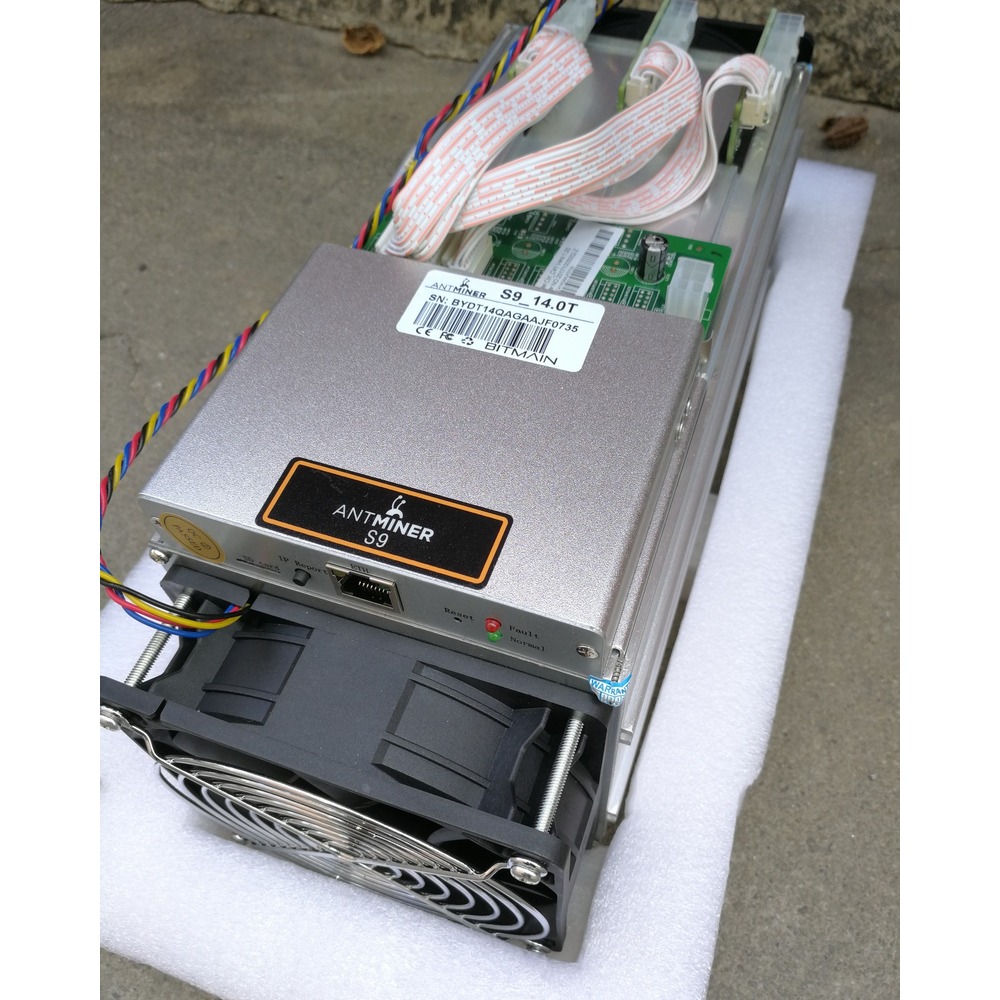
Used Bitmain Antminer S9j 14.5 TH/s Bitcoin Miner with PSU
14.5 TH/s | 1350W
SHA-256 · Used
$99
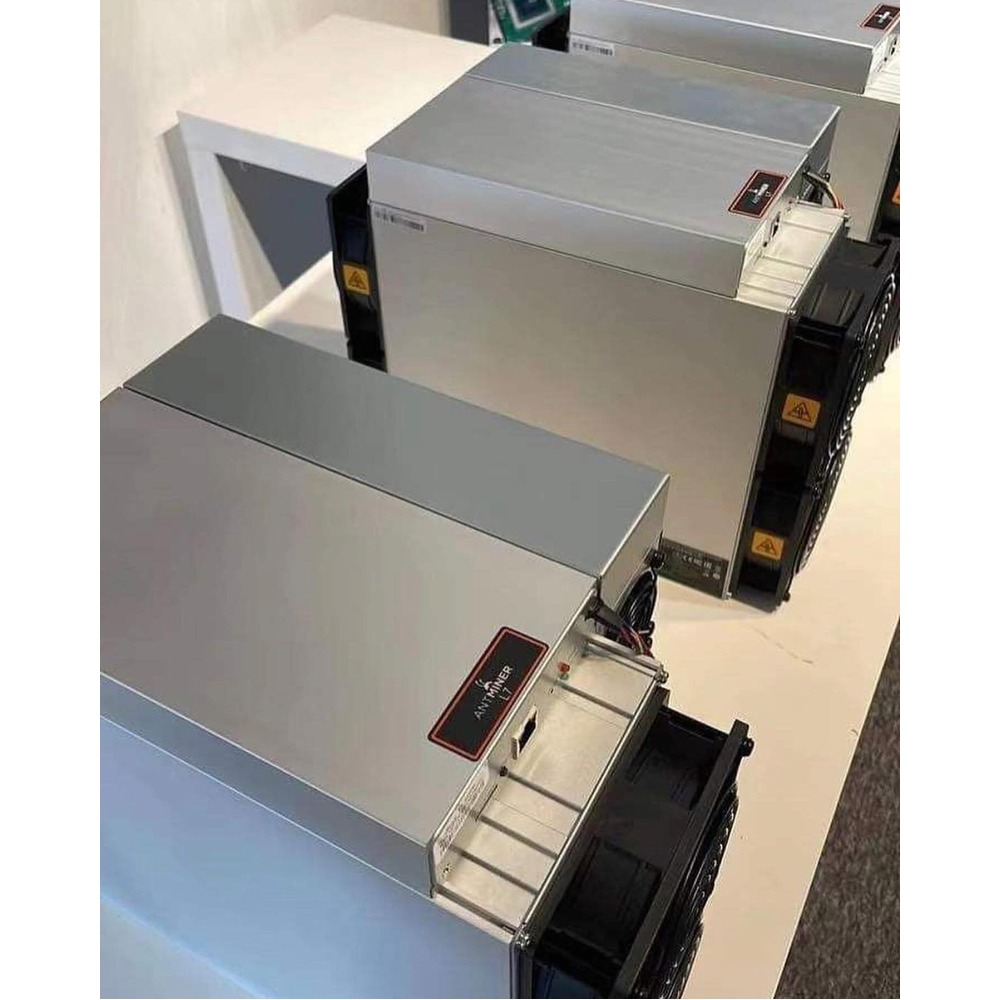
Used Bitmain Antminer L7 9.5 GH/s Litecoin Dogecoin Miner
9.5 GH/s | 3425W
Scrypt · Used
$5,990
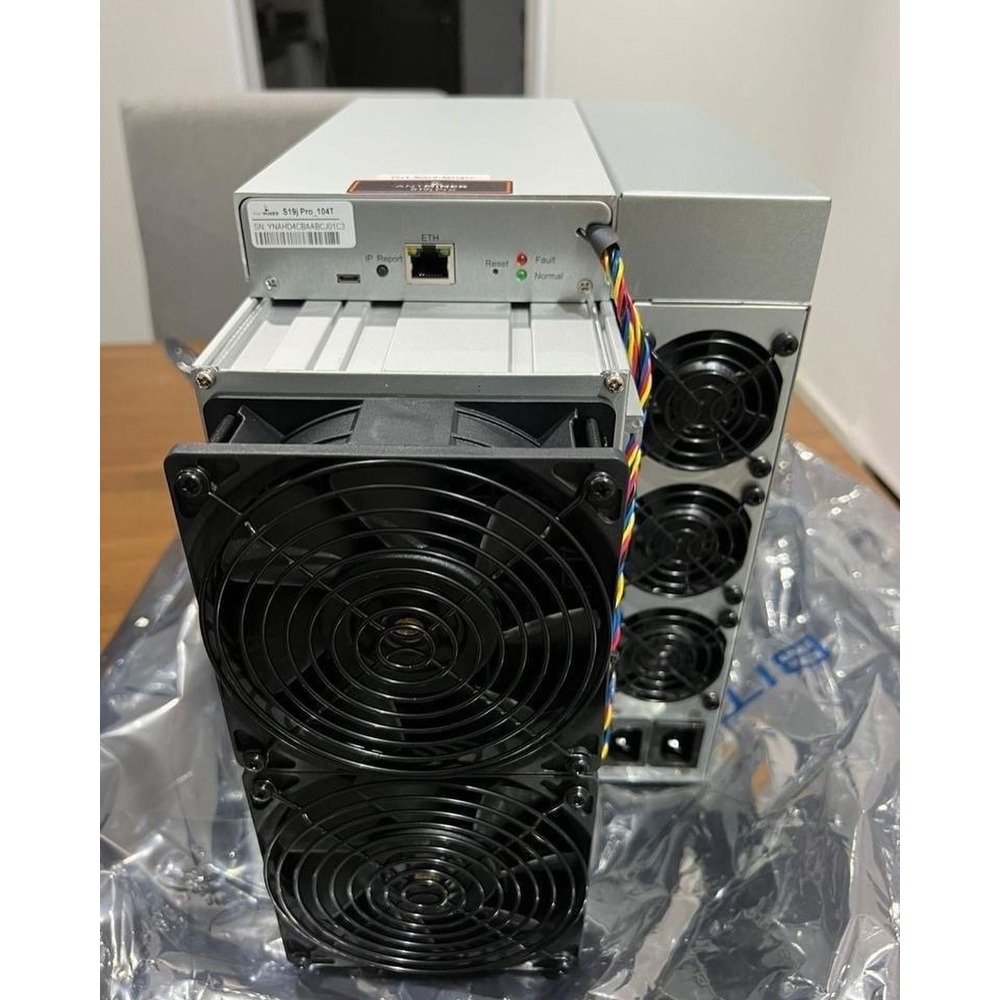
Used Bitmain Antminer S19j Pro 104 TH/s Bitcoin Miner
104 TH/s | 3068W
SHA-256 · Used
$749
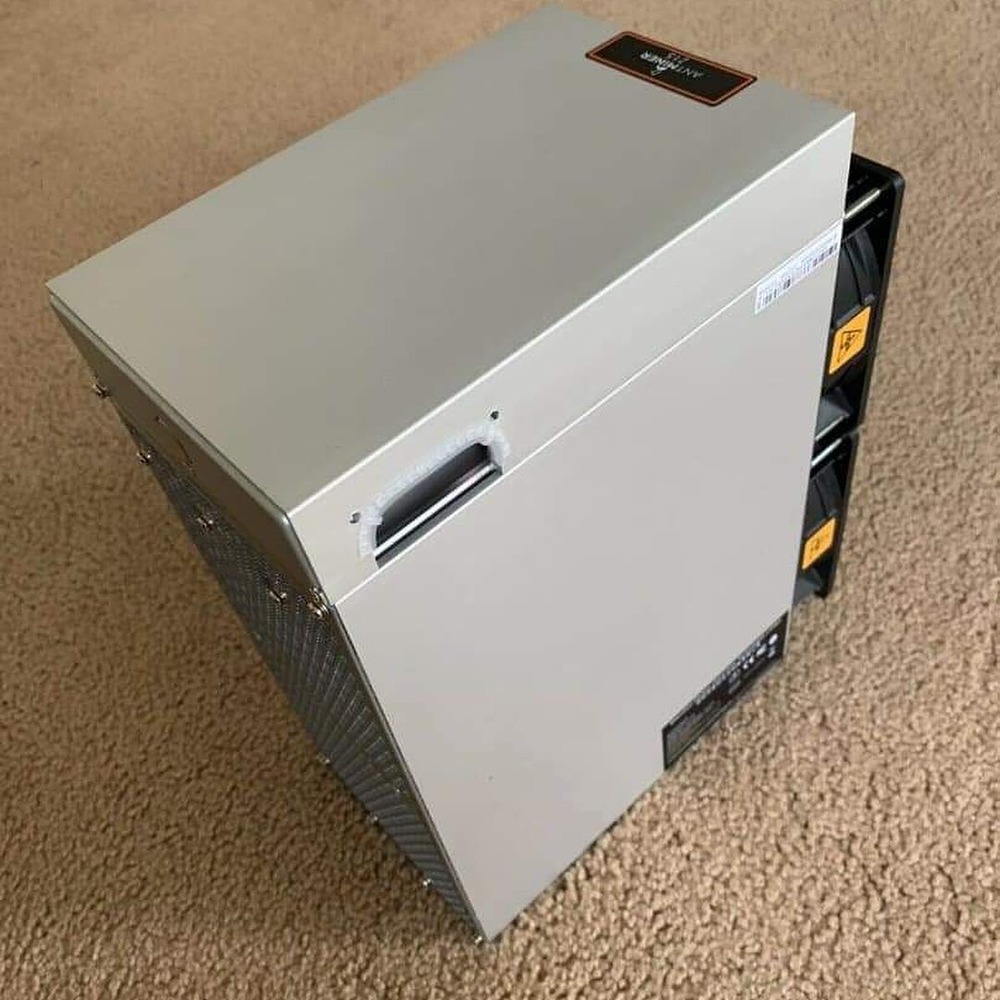
Used Bitmain Antminer L7 9.3 GH/s Scrypt Miner
9.3 GH/s | 3425W
Scrypt · Used
$5,790
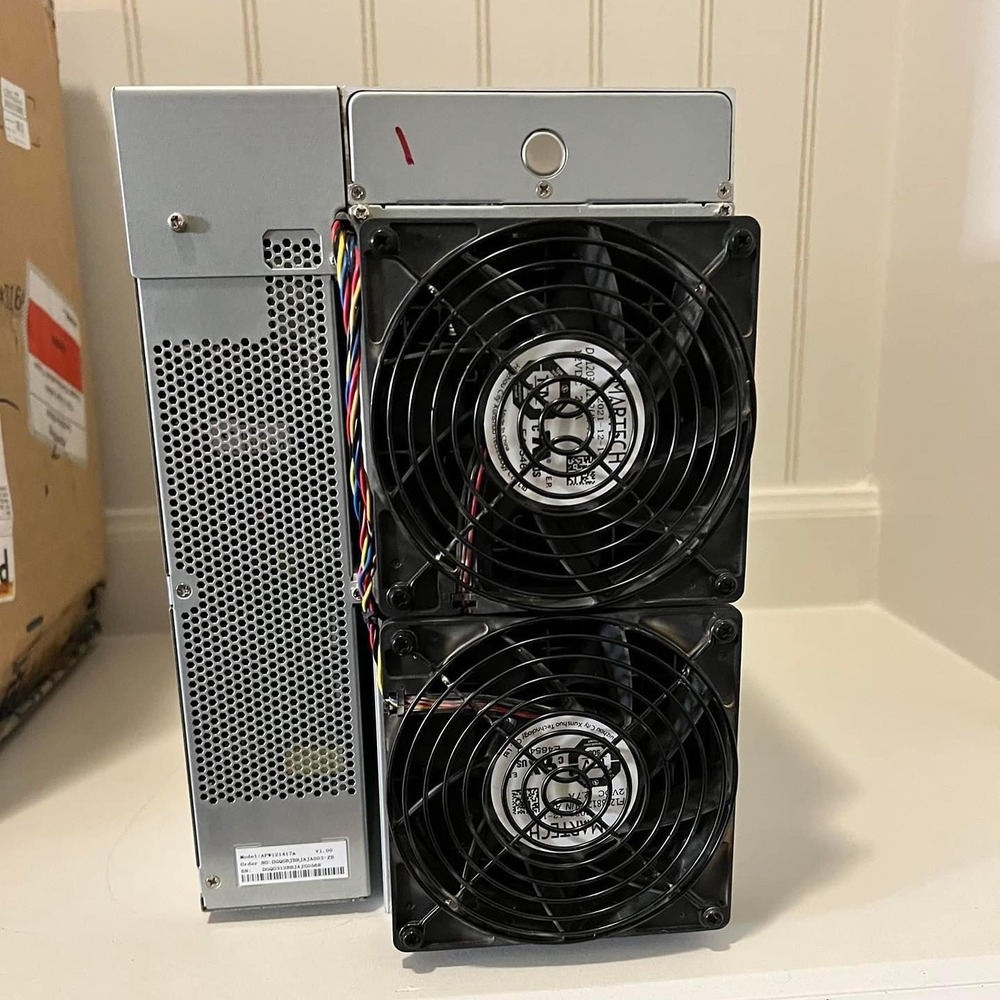
Used Bitmain Antminer L7 8.8 GH/s Litecoin Miner
8.8 GH/s | 3425W
Scrypt · Used
$5,190
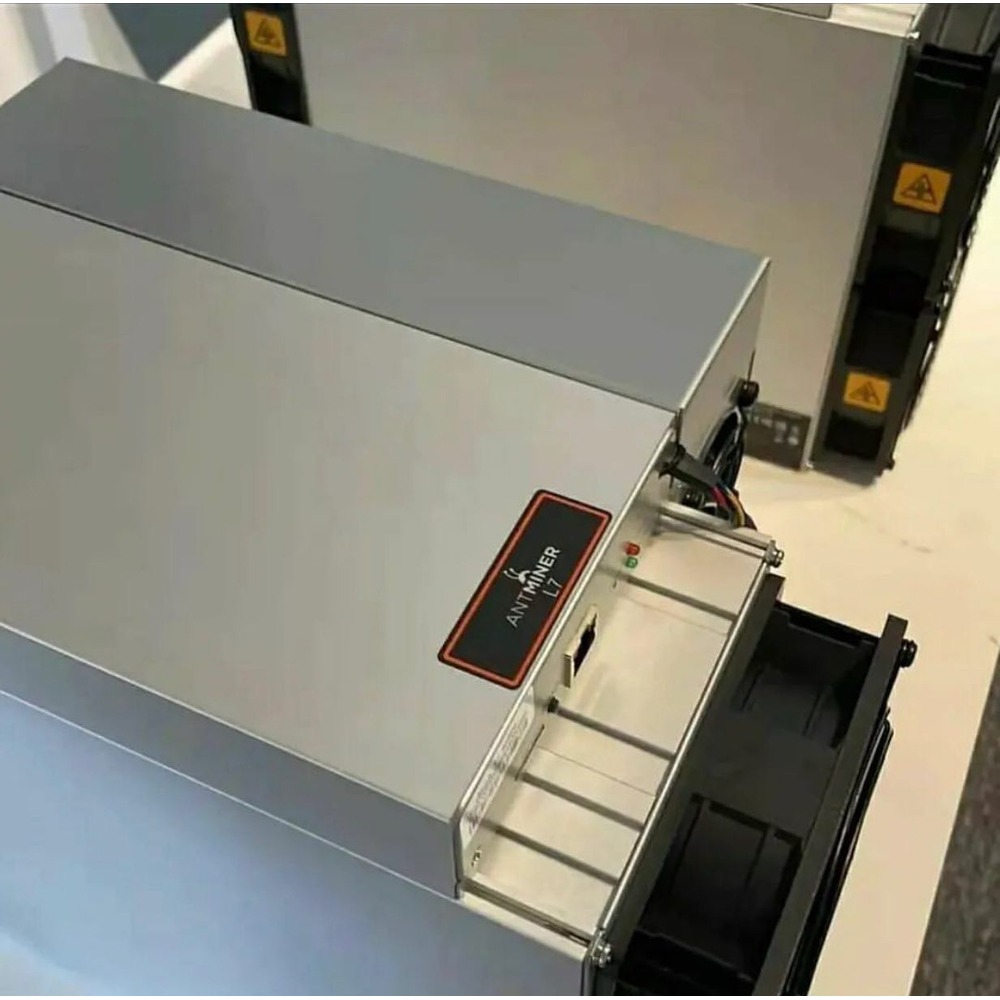
Used Bitmain Antminer L7 9.16 GH/s Dogecoin Miner
9.16 GH/s | 3425W
Scrypt · Used
$5,590
Want the numbers run for your site?
Send us your electricity rate, available amperage and budget. We will model the machines that actually pay back at your power cost — no obligation.
Talk to an engineer