
Profitability · September 3, 2026 · 8 min read
ASIC Mining Buy Decision: Hardware, Hosting or Neither
The question behind "asic mining buy" is rarely which model. It is whether buying hardware is the right move at all, given your power rate, your site and how much of your own time you are willing to spend on maintenance. Three honest answers exist: own and host, own and run it yourself, or do not buy.
This guide runs the decision the way our sales desk runs it for a customer, with the arithmetic in the open. If the numbers say do not buy, that is a useful result — the fastest way to lose money in mining is to deploy capital into a site that cannot support the machine.
The Only Three Outcomes Worth Considering
Own and run at home suits operators with cheap power, a tolerant site and genuine interest in the operations work. Own and host suits buyers with capital but expensive or noise-constrained power. Not buying suits anyone whose delivered power rate makes the machine cash-flow negative in a moderate downside case — and there is no model choice that rescues that situation.
Notice what is not on the list: buying hardware and hoping bitcoin price growth covers a negative operating margin. A machine that loses money on electricity every day is a bet on price with a daily cost attached. If price exposure is what you want, that can be bought directly without a 3,500 W appliance in the garage.
Break-Even Math You Can Do in Five Minutes
Daily electricity cost equals power in kilowatts times 24 times your rate. A 3.5 kW machine uses 84 kWh per day: $3.36 at four cents, $6.72 at eight cents, $10.08 at twelve cents, $13.44 at sixteen cents. Daily revenue equals your machine's terahash times current hashprice per terahash per day. Subtract one from the other and you have daily net.
Payback in months is delivered machine cost divided by monthly net. Do it three times: at today's hashprice, at hashprice down thirty percent, and at hashprice down fifty percent. If the middle case is still positive, the purchase is defensible. If only today's number works, either negotiate the delivered price down or do not buy.
What Each Power Rate Band Actually Permits
At four cents, almost anything cash-flows, including 30 J/TH-plus legacy hardware — which is why cheap-power operators buy old machines at low capital cost and treat them as disposable. At eight cents, the 18-28 J/TH value tier is the sweet spot and legacy hardware becomes marginal. At twelve cents, you need current-generation efficiency under about 18 J/TH.
At sixteen cents and above, a typical residential rate in much of North America and Europe, most air-cooled machines are cash-flow negative or nearly so through a normal downside. That is the band where hosting, not model selection, is the real decision — or where the honest answer is not to buy hardware.
Hosting: What You Are Actually Buying
A hosting contract replaces your power rate with the operator's rate plus a management fee, and replaces your labour with theirs: cooling, networking, reboots, basic repairs and physical security. For a buyer at sixteen cents, a hosted rate in the six-to-nine cent range can turn a negative machine into a positive one without any change of hardware.
Read the contract for the parts that bite: minimum term, uptime commitment and what happens when it is missed, curtailment policy, who owns firmware decisions, and the exit terms when you want the machine shipped back. A cheap rate with no uptime commitment is not cheap.
The Capital and Time You Are Committing
Hardware is not the only capital line. Running machines yourself typically means electrical work — a dedicated 240 V circuit, sometimes a panel upgrade — plus ventilation and noise mitigation. Budget that before you commit to the machine, because discovering it afterwards is how a good purchase turns into a stalled one.
Time is the cost people underestimate. Expect firmware updates, pool configuration, dust cleaning on a schedule, fan replacements and the occasional board failure. If you would resent that work at 2 a.m. on a hot night, hosting is worth the spread.
When Not Buying Is the Right Answer
Do not buy if your delivered power rate makes the machine negative at hashprice down thirty percent and hosting is unavailable or uneconomic where you are. Do not buy if the purchase requires capital you cannot write off, because mining returns are variable and difficulty rises. Do not buy purely to hold price exposure — that can be done without hardware, cooling or noise.
Do buy when the middle-case model is positive, your site or a hosting contract can carry the machine, and you can leave it powered on at high uptime for the horizon you underwrote. Those three conditions, not the model list, are what separate mining that works from mining that does not.
How to Turn the Decision Into a Shortlist
Once the decision is buy, pick two or three candidates within the efficiency band your rate allows and compare them purely on delivered price per terahash next to J/TH. Ignore headline hashrate as a ranking metric — two machines with identical output can differ by forty percent in energy cost, which is the whole margin at most rates.
Send us your electricity rate, available amperage and budget and we will model the shortlist against your actual numbers and quote delivered pricing, including a hosted alternative for the same hardware so you can see both paths side by side.
Frequently Asked Questions
- Is buying an ASIC miner worth it right now?
- It depends almost entirely on your delivered electricity rate. Model the machine at hashprice down thirty percent: if it still covers its electricity and contributes to payback, the purchase is defensible. If not, hosting or not buying is the better answer.
- What power rate do I need for ASIC mining?
- Below six cents per kWh nearly any generation cash-flows. Six to twelve cents favours 18-28 J/TH hardware. Above twelve cents you need current-generation sub-18 J/TH machines, and above sixteen cents hosting is usually the deciding factor.
- How do I calculate ASIC mining payback?
- Divide the delivered machine cost by monthly net profit, where net is revenue at current hashprice minus electricity. Run it again at hashprice down thirty and fifty percent to see the realistic range.
- Is hosting better than mining at home?
- Hosting wins when your own power is expensive, your site cannot absorb noise and heat, or your electrical service has no spare capacity. Running at home wins when power is cheap and you are willing to do the maintenance.
- Can I mine with a small budget?
- Yes, with one value-tier or used machine on a suitable circuit, priced so you would be comfortable writing it off within twelve to eighteen months. Treat older hardware as a cash-flow play rather than a long-term asset.
Recommended Miners From Our Inventory
Hardware in stock that matches this guide. Every unit is bench-tested and hashrate-verified before it ships.
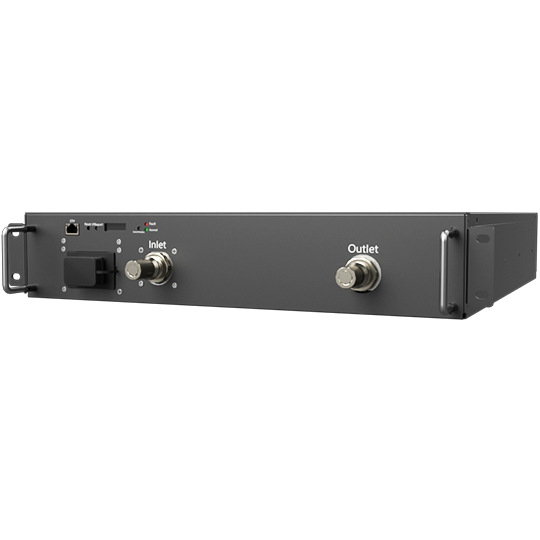
Bitmain Antminer S23e U2H 865 Th/s Bitcoin Miner
865 Th/s | 8650W
SHA-256 (Bitcoin) · New
$9,515

Bitmain Antminer AL1 16.6 Th/s ALPH Miner
16.6 Th/s | 3730W
Blake3 · New
$14,284
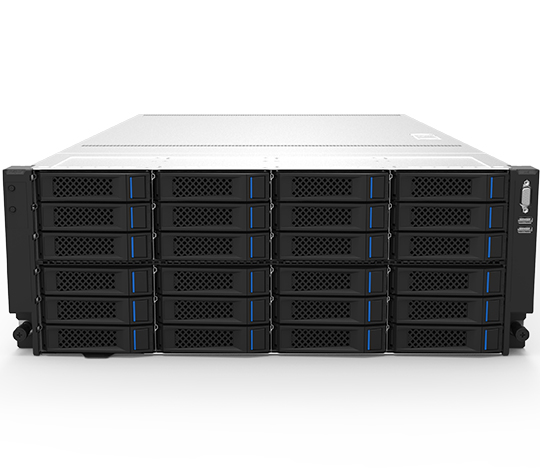
Bitmain Antminer On-Rack Filecoin Miner 4300T FIL Miner
4300T | -
PoST · New
$8,888
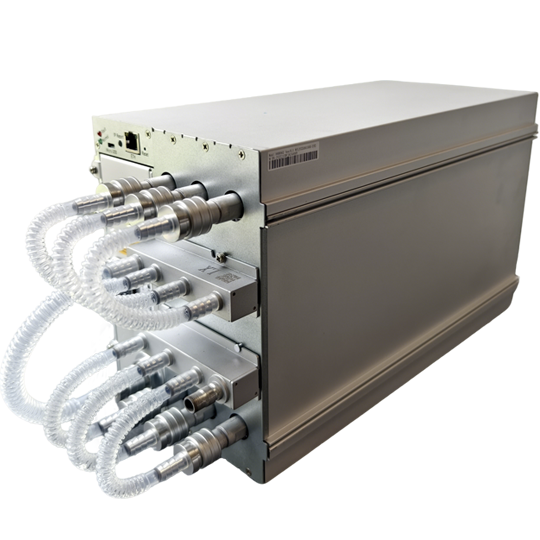
Bitmain Antminer S23 Hyd. 580 Th/s Bitcoin Miner
580 Th/s | 5510W
SHA-256 (Bitcoin) · New
$17,400
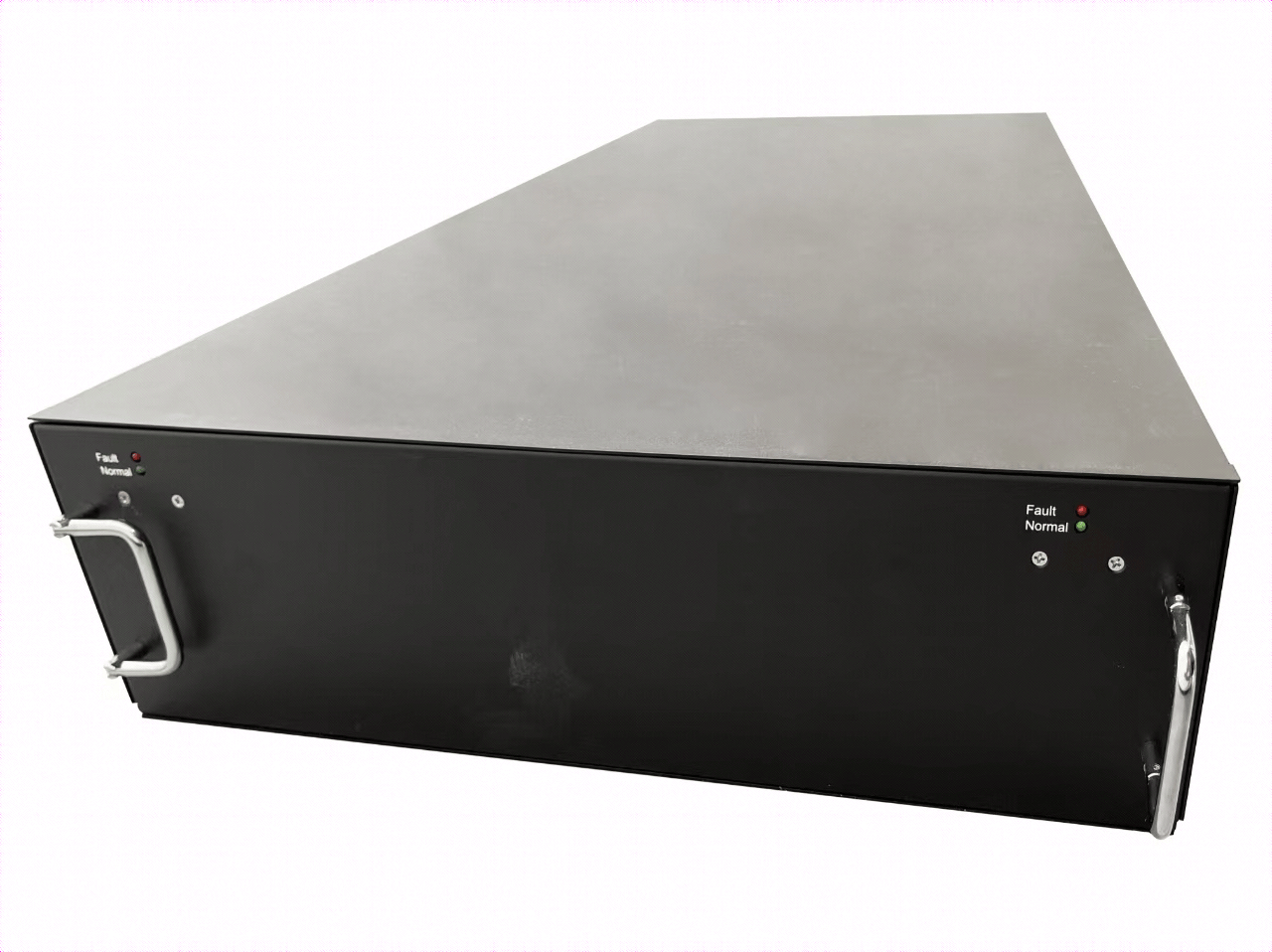
Bitmain Antminer U3S23H 1160 Th/s Bitcoin Miner
1160 Th/s | 11020W
SHA-256 (Bitcoin) · New
$34,800
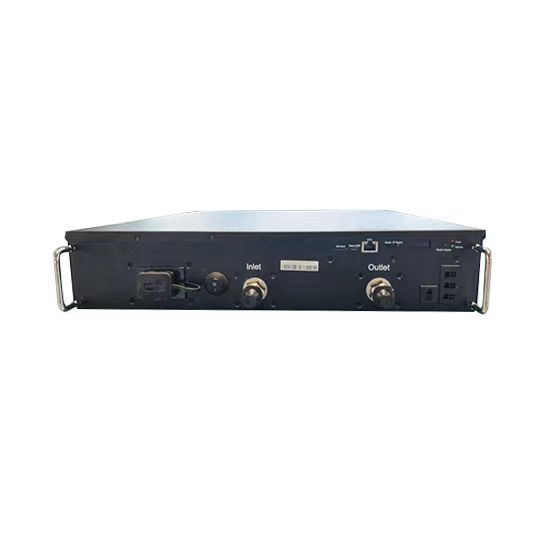
Bitmain Antminer L11 HU2 35 Gh/s LTC Miner
35 Gh/s | 5775W
Scrypt · New
$16,415
Want the numbers run for your site?
Send us your electricity rate, available amperage and budget. We will model the machines that actually pay back at your power cost — no obligation.
Talk to an engineer