
Buying Guides · September 3, 2026 · 8 min read
Crypto Miner for Sale: Choosing One Machine by Coin
"Crypto miner for sale" covers far more than bitcoin hardware. Each algorithm has its own ASICs, its own efficiency units and its own economics, and a machine built for one coin cannot mine another. Choosing a single unit therefore starts with the algorithm, not the brand.
This guide maps the main algorithms to the hardware we actually stock, and gives you the comparison method that works across them: cost per unit of hashrate, energy per unit of hashrate, and whether the machine physically fits your power and noise situation.
Pick the Algorithm First, the Model Second
SHA-256 machines mine bitcoin and are rated in terahash with efficiency in joules per terahash. Scrypt machines mine litecoin and dogecoin together and are rated in gigahash with efficiency in joules per megahash. kHeavyHash units mine Kaspa in terahash with their own efficiency scale, and Blake3 hardware serves Alephium. The units are not comparable across algorithms, so never rank machines from different families on a single number.
Decide the coin exposure you want first. A Scrypt miner pays in two coins at once and has historically had different revenue dynamics from bitcoin hardware; a Kaspa miner is a bet on a smaller network with more volatility in both directions. Neither is better in the abstract — they are different risk profiles bought with the same capital.
SHA-256: Bitcoin Hardware for a Single Unit
For one bitcoin machine, the choice reduces to a generation band set by your power rate: current-generation air or hydro units in the 12-18 J/TH range for expensive power, value-tier 18-28 J/TH hardware for mid-range rates, and legacy units above 30 J/TH only where power is very cheap. Delivered price per terahash next to J/TH is the entire comparison.
Single-unit buyers should weight serviceability more heavily than a fleet buyer would, because you have no donor machine for parts. Widely deployed models have plentiful hashboards, PSUs and fans on the aftermarket, which matters the first time something fails outside warranty.
Scrypt: Litecoin and Dogecoin Merge Mining
Scrypt ASICs such as the Antminer L-series and ElphaPex DG family mine litecoin and dogecoin simultaneously, so one machine earns in two coins from a single hashrate. Efficiency is quoted in joules per megahash, and the spread between generations is wide enough that an old unit at high J/MH can be unprofitable while a current one is comfortable at the same power rate.
Compare Scrypt hardware on delivered cost per gigahash and J/MH, then check the power draw against your circuit. These machines are popular with single-unit buyers precisely because the dual-coin payout smooths revenue, but they are still subject to difficulty growth on both networks.
kHeavyHash, Blake3 and the Smaller Networks
Kaspa miners and Alephium hardware serve networks that are smaller than bitcoin, which cuts both ways: hashrate growth can be explosive, so a machine's share of the network can dilute much faster than a bitcoin ASIC's. Underwrite these purchases on a shorter horizon and a lower price, because the risk is dilution, not just price.
If you want a single machine on a smaller network, size the purchase so a fast difficulty ramp does not hurt. The upside case is real; the failure mode is buying at peak enthusiasm and watching network hashrate double while revenue per unit halves.
Comparing Machines Across Coins Honestly
The only cross-algorithm comparison that means anything is daily net revenue in your own currency: revenue at current market rates minus your electricity cost for that machine. Run each candidate through the same three scenarios — current revenue, down thirty percent, down fifty percent — and compare the results, not the hashrate specs.
Do the arithmetic with your delivered power rate, not an average. A 3.4 kW machine consumes about 82 kWh per day, so at twelve cents the electricity alone is close to $10 per day regardless of which coin it mines. That fixed cost is what separates a viable single-unit purchase from an expensive hobby.
Noise, Power and Where the Machine Will Live
Most altcoin ASICs are as loud and as power-hungry as bitcoin hardware — 70-80 dB continuous and 2,000-3,500 W on a dedicated 240 V circuit. A handful of low-power units genuinely run on a household outlet, and if a 120 V circuit is your only option, that constraint should decide the shortlist before any revenue model does.
Plan intake and exhaust before delivery. Recirculating hot exhaust into the intake derates hashrate and shortens fan life on every algorithm, and a single machine in a small closed room will do exactly that within an hour.
Buying Checks That Apply to Every Algorithm
Ask for the unit's test report with measured hashrate, wall power and chip temperatures; confirm firmware and whether the machine was overclocked or previously liquid-cooled; get warranty duration, coverage, return-freight responsibility and the remedy in writing before payment; and match serial numbers between invoice and box at delivery.
Then burn the machine in for 48-72 hours and log hashrate, temperatures and fan speeds. Two to five percent below rated output in warm conditions is normal; ten percent or more is a fault to report inside the warranty window with logs attached.
Frequently Asked Questions
- Can one crypto miner mine different coins?
- Only within its algorithm. A SHA-256 machine mines bitcoin, a Scrypt machine mines litecoin and dogecoin together, a kHeavyHash machine mines Kaspa. Hardware cannot cross algorithms.
- Which single crypto miner is most profitable?
- The one with the best daily net at your electricity rate, which you find by running each candidate at current revenue and at revenue down thirty and fifty percent. Hashrate specs across different algorithms are not comparable.
- Are Scrypt miners better than bitcoin miners?
- They are different exposure. Scrypt hardware earns litecoin and dogecoin from one hashrate, which smooths revenue, but it is still exposed to difficulty growth on both chains. Compare on delivered cost per gigahash and J/MH.
- Do altcoin ASICs run on a normal home outlet?
- Most do not. Typical units draw 2,000-3,500 W and need a dedicated 240 V circuit. Only a small number of low-power machines are designed for a 120 V household outlet.
- Do you sell tested single units with warranty?
- Yes. Every machine is bench-tested and hashrate-verified before shipping, used units are stripped, cleaned and load-tested, and all orders ship worldwide from Hong Kong with written warranty terms.
Recommended Miners From Our Inventory
Hardware in stock that matches this guide. Every unit is bench-tested and hashrate-verified before it ships.
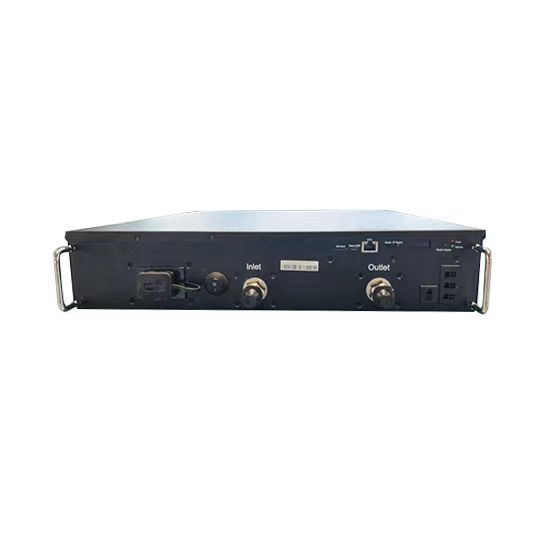
Bitmain Antminer L11 HU2 35 Gh/s LTC Miner
35 Gh/s | 5775W
Scrypt · New
$16,415
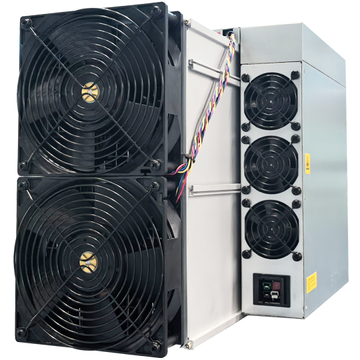
Bitmain Antminer L11 20 Gh/s LTC Miner
20 Gh/s | 3680W
Scrypt · New
$9,380
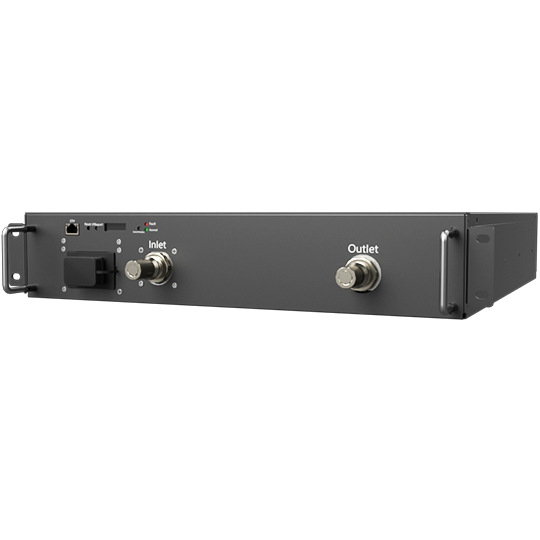
Bitmain Antminer S23e U2H 865 Th/s Bitcoin Miner
865 Th/s | 8650W
SHA-256 (Bitcoin) · New
$9,515
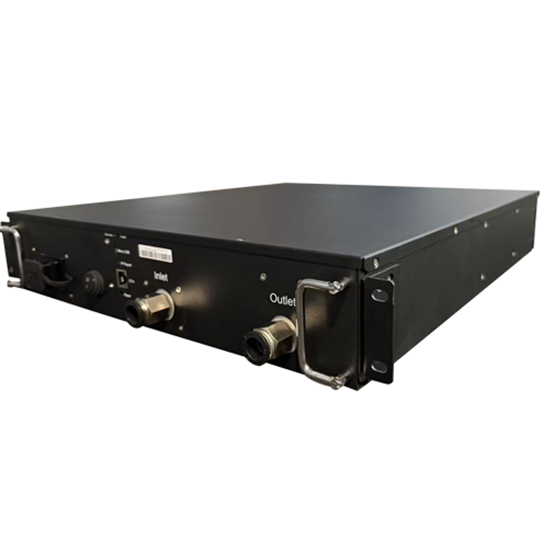
Bitmain Antminer U2L9H 27 Gh/s LTC Miner
27 Gh/s | 5670W
Scrypt · New
$5,670

Bitmain Antminer AL1 16.6 Th/s ALPH Miner
16.6 Th/s | 3730W
Blake3 · New
$14,284
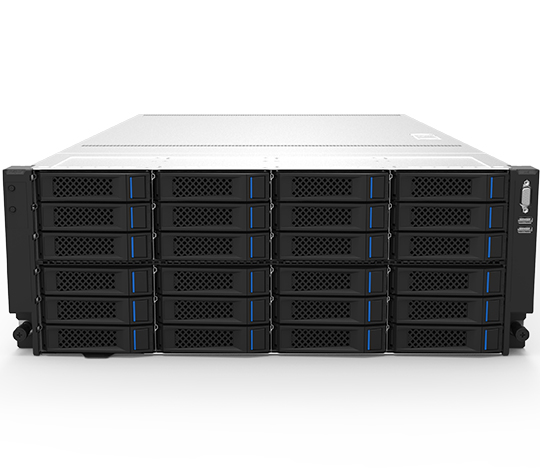
Bitmain Antminer On-Rack Filecoin Miner 4300T FIL Miner
4300T | -
PoST · New
$8,888
Want the numbers run for your site?
Send us your electricity rate, available amperage and budget. We will model the machines that actually pay back at your power cost — no obligation.
Talk to an engineer