
Buying Guides · September 3, 2026 · 8 min read
ASIC Miner for Sale: Single-Unit Buyer's Walkthrough
Most of the advice written about buying ASIC miners assumes you are ordering a pallet. If you are buying exactly one machine — for a garage, a spare 240 V circuit, or a hosted slot you already reserved — the decisions are different. Freight is a bigger share of your total, you have no spare unit to swap parts from, and one dead hashboard is one hundred percent of your downtime.
This walkthrough covers the single-unit purchase end to end: choosing the model your electricity rate can carry, reading a delivered quote properly, the payment and warranty terms worth insisting on, and the first week of running the machine so a warranty claim is still possible if something is wrong.
Start From Your Power Rate, Not the Model List
Your electricity rate decides which generation of hardware you can buy, and nothing else comes close in importance. Above roughly twelve cents per kilowatt hour, only current-generation machines in the 12-18 J/TH band hold margin, because energy is the dominant cost and efficiency is the only lever you control. Between six and twelve cents, the 18-28 J/TH value tier is usually the fastest payback. Below six cents, older 30 J/TH-plus units become viable as a cash-flow play.
Work out the number before you shop. Take your all-in rate including delivery charges and taxes, not the headline energy rate on the marketing page of your utility. A single machine at 3,500 W runs about 84 kWh per day, so every cent per kilowatt hour is roughly $25 per month of operating cost on that one unit.
What One Machine Actually Costs Delivered
A single-unit quote has four components: the machine, the power supply if it ships separately, international freight, and import duties or taxes at your border. On a pallet order freight disappears into the per-unit price; on one machine it can add a meaningful percentage. Ask for the delivered figure to your postcode before you compare sellers, because a lower machine price with expensive freight often loses.
Convert the delivered total into price per terahash and write it next to the machine's J/TH. Those two numbers are the whole purchase decision. Paying more per terahash is rational only when the extra capital buys materially lower energy draw for the same output, which is exactly the trade you are making when you step up a generation.
Verify the Seller Before You Send Money
For a single unit you have less leverage than a fleet buyer, so lean on verifiable facts instead of negotiation. Ask for the specific unit's test report: measured hashrate, power at the wall, chip temperatures and fan status. Ask which firmware is installed and whether the unit has been overclocked or previously immersion-cooled — coolant residue on a board is a durability question you deserve an answer to.
Insist on written warranty terms in plain language before payment: duration, what is covered, who pays return freight, and the replacement path. A seller who cannot put that in an email is a seller you cannot hold to anything later. Serial numbers on the quote and on the box should match; photograph both at delivery.
Payment Terms That Protect a Single Buyer
Crypto payment is standard in this market and is fine when the counterparty is verifiable, but it is final — there is no chargeback. That makes seller verification the whole of your protection. Get the invoice, the serial numbers, the warranty text and the delivery window in writing on the same document you are paying against.
Be wary of a price far below the market band for that model. Single machines are exactly the size of order that fraud targets, because the loss is small enough that most buyers do not pursue it. If a quote is thirty percent under everyone else for hardware in the same condition, ask what is different about the unit — and expect a specific answer.
Electrical and Noise Reality for One Unit at Home
A 3,000-3,500 W air-cooled miner wants a dedicated 240 V circuit with breaker headroom above continuous draw; running one on a shared household circuit trips breakers and stresses wiring. If your only option is 120 V, you are limited to low-power hardware, and that constraint should shape your model choice rather than being discovered after delivery.
Noise is the reason most single home units get relocated. Rated fan noise of 72-80 dB is louder than a vacuum cleaner and it runs continuously. Plan for a garage, outbuilding or ducted exhaust arrangement, and check exhaust air has somewhere to go — recirculating hot air into the intake derates hashrate and shortens fan life.
The First Week: Bring-Up and Burn-In
Power the machine on a known-good circuit, point it at a pool, and let it run 48-72 hours while you record hashrate, per-board chip temperatures and fan speeds. Compare the average against the rated figure: two to five percent below rated is normal in warm ambient conditions, ten percent or more is a fault worth reporting immediately.
Report anomalies inside the warranty window, not after. A single dead chip, an unstable board or a fan that never reaches full speed are all easier claims in week one with logs attached than in month three from memory. Keep the packaging until burn-in passes — return freight without the original crate is a problem you do not need.
When One Machine Should Become a Hosted Machine
If your delivered residential rate is high, your site cannot absorb the noise, or your electrical service has no spare capacity, hosting the same unit often beats running it at home. Hosting bills a flat rate per kilowatt hour plus a management fee, and the operator handles cooling, networking, reboots and basic repairs — which matters more with one machine than many, because your uptime has no redundancy.
Compare the hosting rate against your own delivered rate plus the capital cost of the electrical work you would otherwise pay for. If hosting lands within about three cents per kWh of your own power, the operational relief is usually worth it for a single unit.
Frequently Asked Questions
- Can I buy just one ASIC miner?
- Yes. Single-unit orders are normal and ship worldwide from our Hong Kong facility. The main difference from a fleet order is that freight is a larger share of the delivered cost, so always compare sellers on the delivered figure rather than the machine price.
- What does one ASIC miner cost to run per month?
- A 3,500 W machine uses about 84 kWh per day, roughly 2,520 kWh per month. At eight cents per kilowatt hour that is about $202 per month in electricity for the single unit.
- Which ASIC miner should I buy at my power rate?
- Above twelve cents per kWh, buy current-generation 12-18 J/TH hardware. Between six and twelve cents, the 18-28 J/TH value tier usually pays back fastest. Below six cents, older high-J/TH units can still cash-flow.
- What should the warranty cover on a single unit?
- Duration, covered components, who pays return freight, and whether the remedy is repair or replacement — all in writing before payment, with the serial number on the invoice.
- Do you test the machine before it ships?
- Yes. Every unit is bench-tested and hashrate-verified before shipping, and used or refurbished units are stripped, cleaned and load-tested with written warranty terms.
Recommended Miners From Our Inventory
Hardware in stock that matches this guide. Every unit is bench-tested and hashrate-verified before it ships.
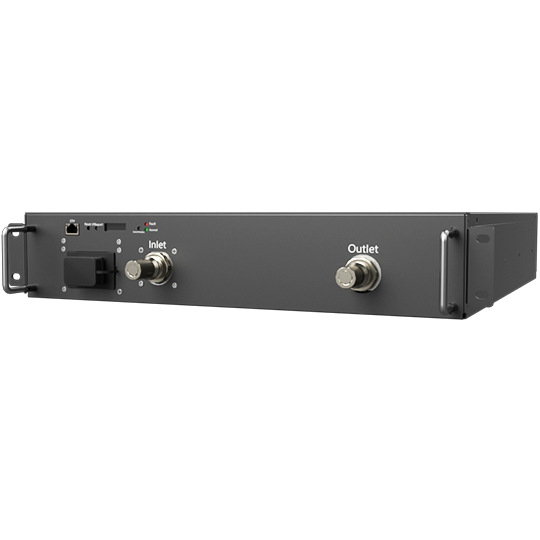
Bitmain Antminer S23e U2H 865 Th/s Bitcoin Miner
865 Th/s | 8650W
SHA-256 (Bitcoin) · New
$9,515

Bitmain Antminer AL1 16.6 Th/s ALPH Miner
16.6 Th/s | 3730W
Blake3 · New
$14,284
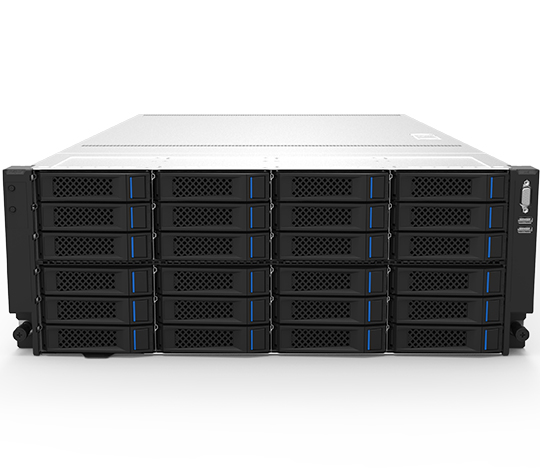
Bitmain Antminer On-Rack Filecoin Miner 4300T FIL Miner
4300T | -
PoST · New
$8,888
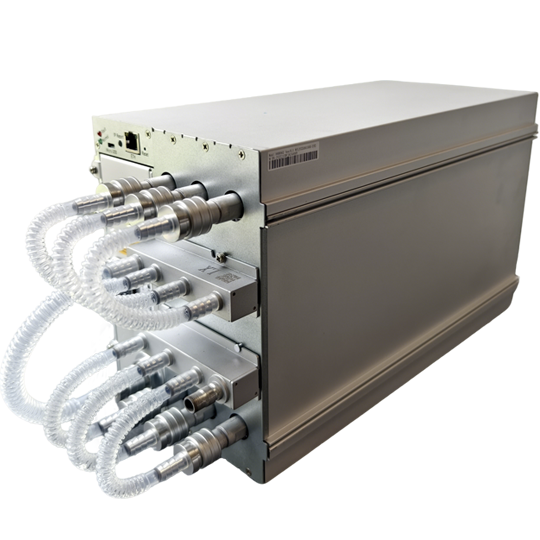
Bitmain Antminer S23 Hyd. 580 Th/s Bitcoin Miner
580 Th/s | 5510W
SHA-256 (Bitcoin) · New
$17,400
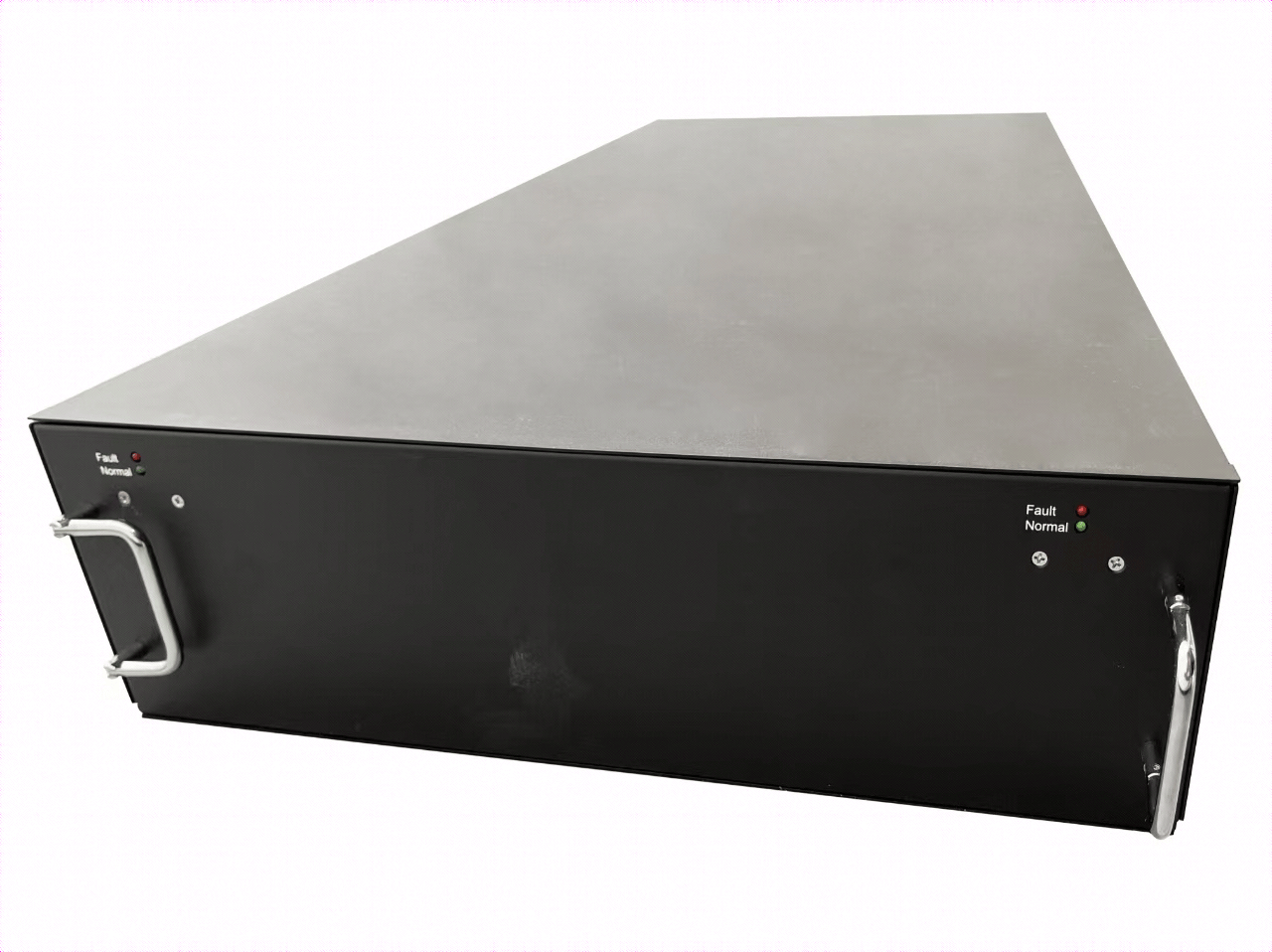
Bitmain Antminer U3S23H 1160 Th/s Bitcoin Miner
1160 Th/s | 11020W
SHA-256 (Bitcoin) · New
$34,800
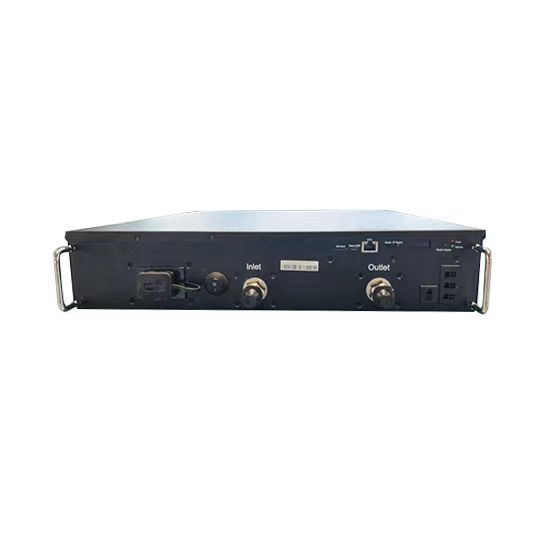
Bitmain Antminer L11 HU2 35 Gh/s LTC Miner
35 Gh/s | 5775W
Scrypt · New
$16,415
Want the numbers run for your site?
Send us your electricity rate, available amperage and budget. We will model the machines that actually pay back at your power cost — no obligation.
Talk to an engineer