
Buying Guides · July 8, 2026 · 6 min read
Antminer L7 For Sale: Stock, Pricing and Checks
The Antminer L7 is the most traded Scrypt machine in the world, which means both the best liquidity and the most misrepresented listings. Buying well is a matter of testing, not trust.
This guide is written from how we source, bench-test, deploy and service Antminer L7 hardware at our Hong Kong facility. Every recommendation links to machines we actually hold in stock, so you can go from research to a shortlist and a delivered price in one step — with shipping to the USA, Canada and Europe.
Antminer L7 Specifications That Actually Matter
The Antminer L7 ships rated 9,050 MH/s, 3,425 W at the wall, 0.36 J/MH efficiency, Scrypt algorithm, air cooling. Those four numbers — hashrate, wall draw, efficiency and cooling method — decide everything else: what circuit you need, how much heat the room absorbs, and how the machine behaves when network difficulty climbs. Everything a spec sheet lists beyond that is packaging.
Treat the rated figures as a ceiling rather than a promise. Air-cooled units typically settle two to five percent below datasheet output once intake air passes 30 degrees Celsius, while liquid-cooled siblings hold their numbers far more consistently. We bench every Antminer L7 before it ships and record the actual hashrate and wall draw on the test sheet that travels with the unit.
Running Cost: What Antminer L7 Electricity Looks Like
At 3,425 W continuous the Antminer L7 consumes roughly 82 kWh per day. At six cents per kilowatt hour that is about $5 of power per day; at twelve cents it doubles to roughly $10. Multiply by 30 and you have the only fixed cost that never negotiates.
Because power is the dominant cost, your electricity rate — not the purchase price — decides whether this machine belongs in your fleet. Run the numbers with hashprice cut by 30 percent before you buy. If the Antminer L7 still clears its own power bill in that stressed scenario, the purchase survives a bad quarter; if it does not, you are betting on price appreciation rather than on mining.
Payback Model: How to Calculate It Yourself
Payback in months equals delivered machine cost divided by monthly net profit, where net profit is mining revenue minus electricity. Revenue depends on hashprice, which moves daily with bitcoin price and network difficulty; electricity is fixed and known. Build the model in a spreadsheet with hashprice as the single variable and you will never be surprised by a market move again.
Model three scenarios for the Antminer L7: current hashprice, hashprice down 30 percent, and hashprice down 50 percent. If the middle case still shows positive cash flow, the purchase is defensible. If only the optimistic case works, either negotiate the price down or buy fewer units and keep the reserve.
Used and Refurbished Antminer L7 Units: What Changes
Second-hand Antminer L7 hardware is where the best dollars-per-terahash usually live, but the risk profile shifts to you. Insist on a load test at full power for at least an hour, verify all hashboards report the expected chip count, check for corrosion on the board edges and PSU connectors, and look for replaced fans or reflowed chips — signs the unit has been repaired before.
Price used units at a level you would be comfortable writing off inside twelve to eighteen months. Every refurbished machine we sell is stripped, cleaned, load-tested and re-benched, and we publish the measured numbers rather than the datasheet numbers so you can price the risk honestly.
Buying Checklist for a Antminer L7
Ask five questions before money moves: what the measured hashrate and wall draw were on the test bench, which firmware version is installed, whether hashboards are original or replacements, what the warranty covers in writing, and who pays return shipping if the unit arrives dead. A supplier that answers all five in writing is a supplier worth buying from.
Refuse pressure tactics, avoid escrow-free peer-to-peer deals for machines you cannot inspect, and confirm delivered pricing including freight and duty. Our Antminer L7 stock is bench-tested and hashrate-verified from our Hong Kong facility, with worldwide shipping to the USA, Canada and Europe and written warranty terms.
Alternatives Worth Comparing
The L9 nearly halves energy per megahash; the L11 pushes further again. Do not compare on headline hashrate alone; two machines with the same output can differ by 40 percent in electricity cost, which is the entire margin at most power rates.
Our sales desk will model two or three candidates against your actual electricity rate, available amperage and budget, then quote delivered pricing so you can compare like with like. That takes an afternoon of spreadsheet work off your plate and usually changes the shortlist.
Frequently Asked Questions
- What is the Antminer L7 hashrate and power draw?
- The Antminer L7 is rated at 9,050 MH/s drawing 3,425 W at the wall, which is 0.36 J/MH. Expect two to five percent below rated output in warm ambient conditions.
- How much electricity does a Antminer L7 use per day?
- Roughly 82 kWh per day of continuous operation — about $7 per day at eight cents per kilowatt hour, or $197 per month.
- Is the Antminer L7 still profitable?
- That depends on your power rate more than anything else. Model it with hashprice cut 30 percent: if the machine still covers its own electricity, it is a defensible buy.
- Can I run a Antminer L7 at home?
- Only with a dedicated 240 V circuit, real ventilation and tolerance for 72-80 dB. Most buyers end up ducting the exhaust, using an outbuilding, or hosting the machine.
- Do you sell used Antminer L7 units with a warranty?
- Yes. Every used and refurbished unit is stripped, cleaned, load-tested and hashrate-verified before shipping, and ships with written warranty terms and worldwide delivery from Hong Kong.
- What should I pay for a Antminer L7?
- Work in dollars per terahash rather than absolute price: divide the delivered quote by rated hashrate and compare across listings. Ask our desk for current delivered pricing including freight so you can benchmark before committing capital.
Recommended Miners From Our Inventory
Hardware in stock that matches this guide. Every unit is bench-tested and hashrate-verified before it ships.
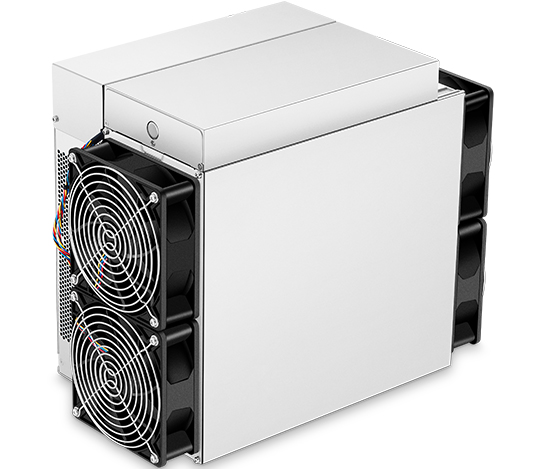
Bitmain Antminer L7 9050 Mh/s LTC Miner
9050 Mh/s | 3258W
Scrypt · New
$724
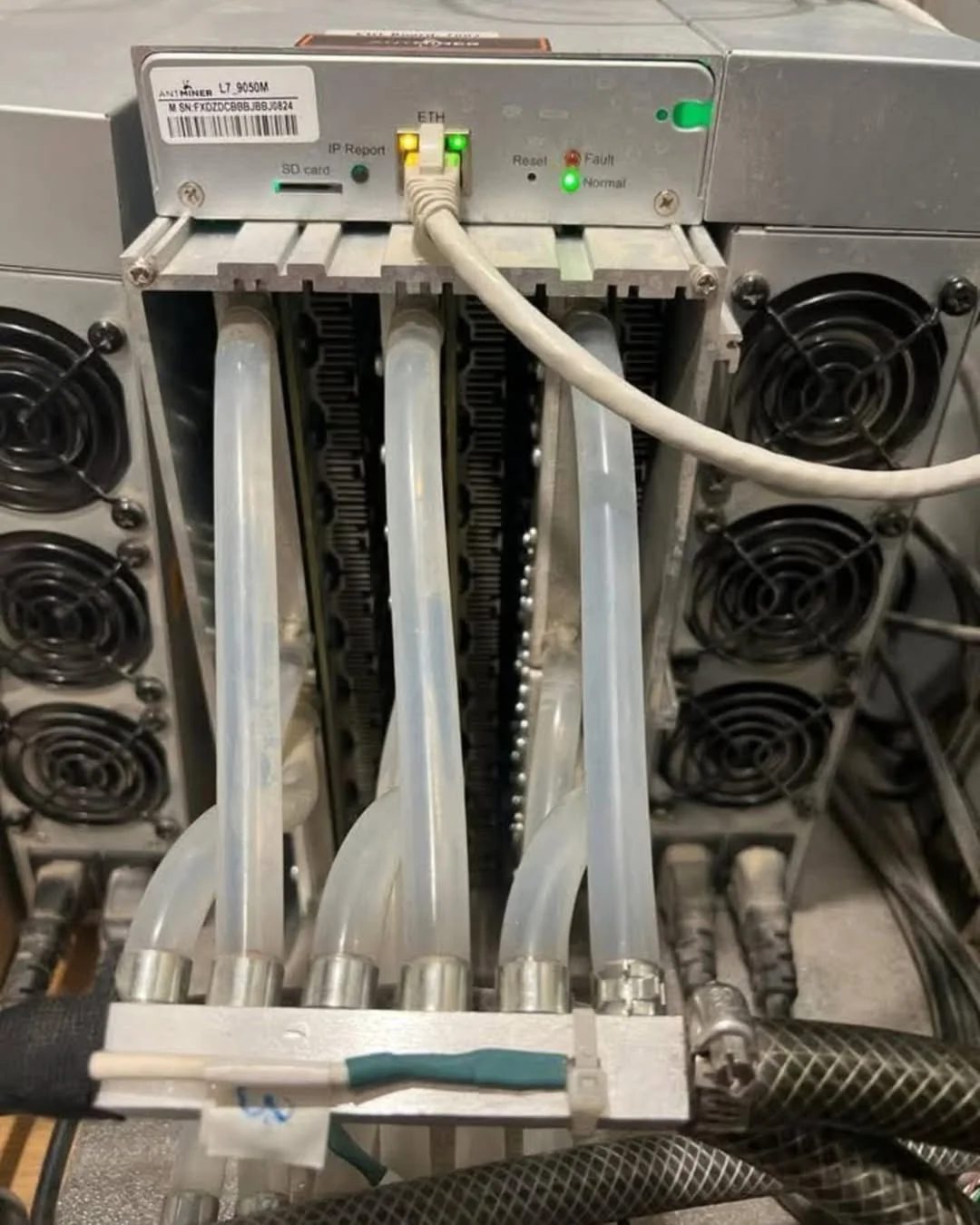
Used Bitmain Antminer L7 9.5 Gh/s Hydro-Converted Scrypt Miner
9.5 Gh/s | 3425W
Scrypt (DOGE & LTC) · Used
$4,490$4,790
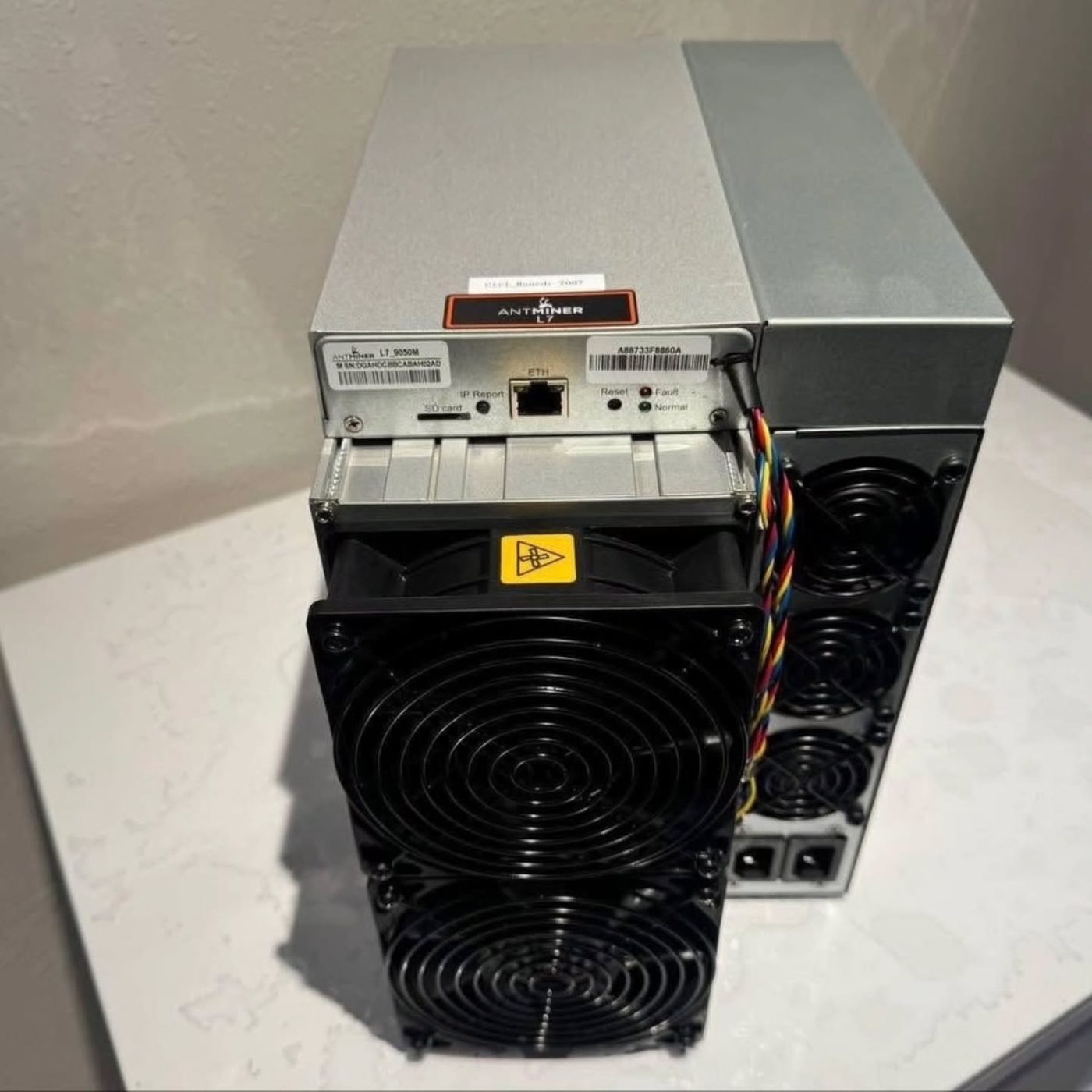
Used Bitmain Antminer L7 9.05-9.5 Gh/s Dogecoin & Litecoin Miner
9.5 Gh/s | 3425W
Scrypt (DOGE & LTC) · Used
$3,990$4,290
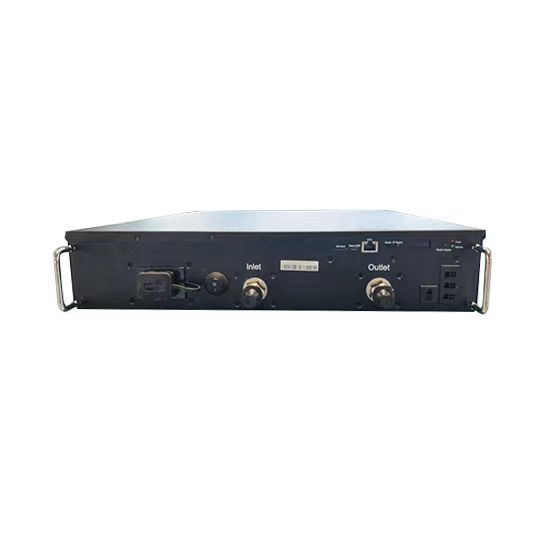
Bitmain Antminer L11 HU2 35 Gh/s LTC Miner
35 Gh/s | 5775W
Scrypt · New
$16,415
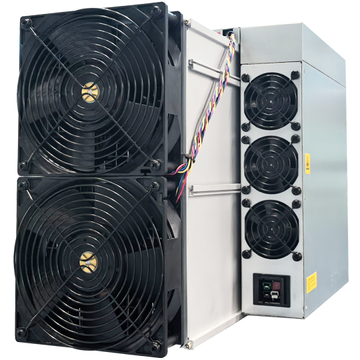
Bitmain Antminer L11 20 Gh/s LTC Miner
20 Gh/s | 3680W
Scrypt · New
$9,380
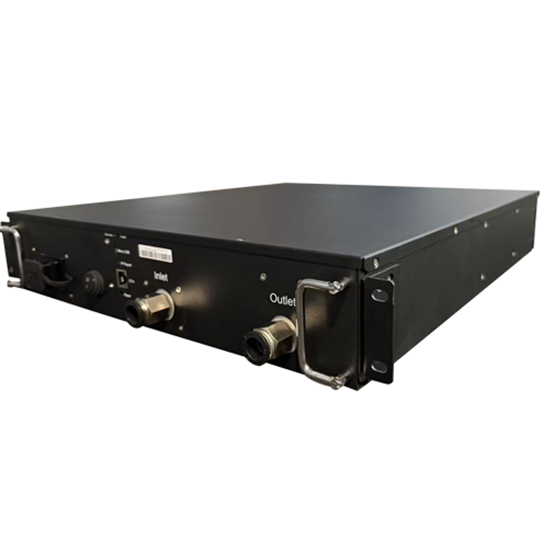
Bitmain Antminer U2L9H 27 Gh/s LTC Miner
27 Gh/s | 5670W
Scrypt · New
$5,670
Want the numbers run for your site?
Send us your electricity rate, available amperage and budget. We will model the machines that actually pay back at your power cost — no obligation.
Talk to an engineer