
Buying Guides · August 27, 2026 · 8 min read
Used ASIC Miner Buying Guide: Grades, Tests and Prices
This guide covers grading a used ASIC miner before you wire any money. It is written from the perspective of a dealer that stocks, bench-tests, ships and repairs this hardware every week from Hong Kong, not from a spec sheet or an affiliate feed.
Search interest in "used asic miner" is dominated by two practical questions: what does it cost delivered, and does it earn at my electricity rate. Both are answered below with the arithmetic you can reuse for any machine, followed by the units we currently hold in stock.
Electrical Requirements and Circuit Planning
Nearly all modern ASICs need 200-240 V at roughly 16 to 20 amps per machine, which is a dedicated circuit, not a household outlet. Allow about 3.5 kW per air-cooled unit and add 15 to 20 percent headroom for inrush, ventilation and lighting. A 200 A three-phase 208 V service supports roughly 20 machines at full load.
Use properly rated PDUs, never daisy-chain, and have a licensed electrician sign off the design before energising anything. Send us your panel schedule and we will return a circuit plan mapped to the exact machines in your order so the fleet earns from day one rather than week three.
Firmware, Pools and Day-One Configuration
Keep firmware current but conservative. Manufacturer releases usually improve stability and thermal management; aggressive third-party overclock profiles raise voltage and shorten hardware life. If you do tune, do it on hydro or immersion machines where coolant temperature sets the ceiling, and watch results closely for the first month.
Point the fleet at one pool standard with a worker naming scheme you can read at a glance, and send payouts to a wallet you control rather than an exchange deposit address. Set alerting on hashrate deviation and per-board temperature spread so a failure shows up in minutes, not on the next invoice.
Maintenance, Spares and Real Operating Costs
Dust is what kills mining hardware. It insulates heatsinks, raises junction temperatures and accelerates solder fatigue. Compressed-air cleaning quarterly and a full ultrasonic hashboard clean annually add years of usable life. Treat fans as consumables and replace them proactively at around two years — a stalled fan can cook a board in minutes.
Budget five to eight percent of hardware value per year for operations: PDUs and cabling, filtration, a spare PSU and hashboard per ten machines, and the labour hours nobody puts in a spreadsheet. Watch temperature spread across board sensors rather than peak temperature; a widening spread predicts failure weeks in advance.
Buying Safely: Verification Before Payment
The risk in this market is almost never the silicon — it is the transaction. Insist on a named legal entity, a verifiable phone number, a written warranty term, an invoice issued before funds move, photographed serial numbers of the actual units, and a bench-test report showing hashrate and per-board temperatures from a real run.
Every machine referenced in this guide is listed on our catalogue with a live price, a bench-test report and a photograph of the unit you receive. Orders are paid in major cryptocurrencies using QR-code addresses with transaction verification, and nothing ships until payment is confirmed against an issued invoice.
Shipping Worldwide from Hong Kong
We ship from our Hong Kong facility by DHL and FedEx air freight with commercial invoices, HS codes and EORI or VAT documentation where required. Typical door-to-door transit is three to seven business days to the USA, Canada, the UK and Europe, with sea freight available for container-scale orders where the saving justifies the timeline.
Duty treatment varies by destination, so ask for a landed-cost figure rather than a hardware price when you compare suppliers. A machine that looks cheap ex-works often is not once freight, duty and import VAT are added, and that difference changes payback by weeks.
Resale Value and Exit Planning
Hardware is a depreciating asset with a liquid secondary market, so plan your exit when you buy. Current-generation efficiency holds value best; older units track the profitability threshold and can lose half their price in a single difficulty cycle. Keep original boxes, PSUs and test reports because complete, documented units sell faster and higher.
If you intend to upgrade on a two-year cadence, factor expected resale into your model rather than assuming zero residual. We buy back and trade in tested fleets, which gives operators a predictable floor and removes the marketplace risk from the exit side of the trade.
How This Fits a Diversified Mining Strategy
Most serious operators run a blend: current-generation SHA-256 machines for the core position, older units for cheap seasonal capacity, and sometimes a Scrypt or altcoin unit for exposure to a different reward curve. That mix smooths revenue across difficulty and price cycles better than an all-in bet on one model.
Match the blend to your power contract. Firm, cheap, year-round power favours a large fleet of efficient machines; interruptible or seasonal power favours cheap hardware you can switch off without regret. The hardware follows the electricity, never the other way round.
Frequently Asked Questions
- What payment methods do you accept?
- Payment is in major cryptocurrencies — Bitcoin, USDT, Bitcoin Cash, BNB and Dogecoin among others. You choose the asset, pay to the QR-coded address shown at checkout, submit the transaction ID, and the order is released once the payment is verified against your invoice.
- Is there a warranty on used machines?
- Yes. Used units ship with a written warranty, commonly 30 to 90 days depending on model and grade, covering dead-on-arrival hashboards and PSU failure. New hardware carries manufacturer warranty, and our repair centre performs board-level work beyond the warranty window.
- Can I run used asic miner at home?
- Only with a dedicated 200-240 V circuit, somewhere the 72-80 dB of an air-cooled unit will not be a problem, and a plan for the heat. Hydro and immersion machines are far quieter and suit basements and garages, but they need a coolant loop and a heat rejection path.
- How do you test hardware before shipping?
- Every unit runs on our bench under load, and we record hashrate against rated output, per-board temperature spread, fan RPM and PSU behaviour. You receive that report plus photographs of the serial numbers on the machines actually reserved for your order.
- Is used asic miner a good buy at my electricity rate?
- Under about six cents per kilowatt hour, cheap previous-generation hardware usually pays back fastest. Above ten cents, only current-generation efficiency in the 12-18 J/TH band holds margin. Send us your rate and capacity and we will model the specific machines that make sense before you spend anything.
Recommended Miners From Our Inventory
Hardware in stock that matches this guide. Every unit is bench-tested and hashrate-verified before it ships.
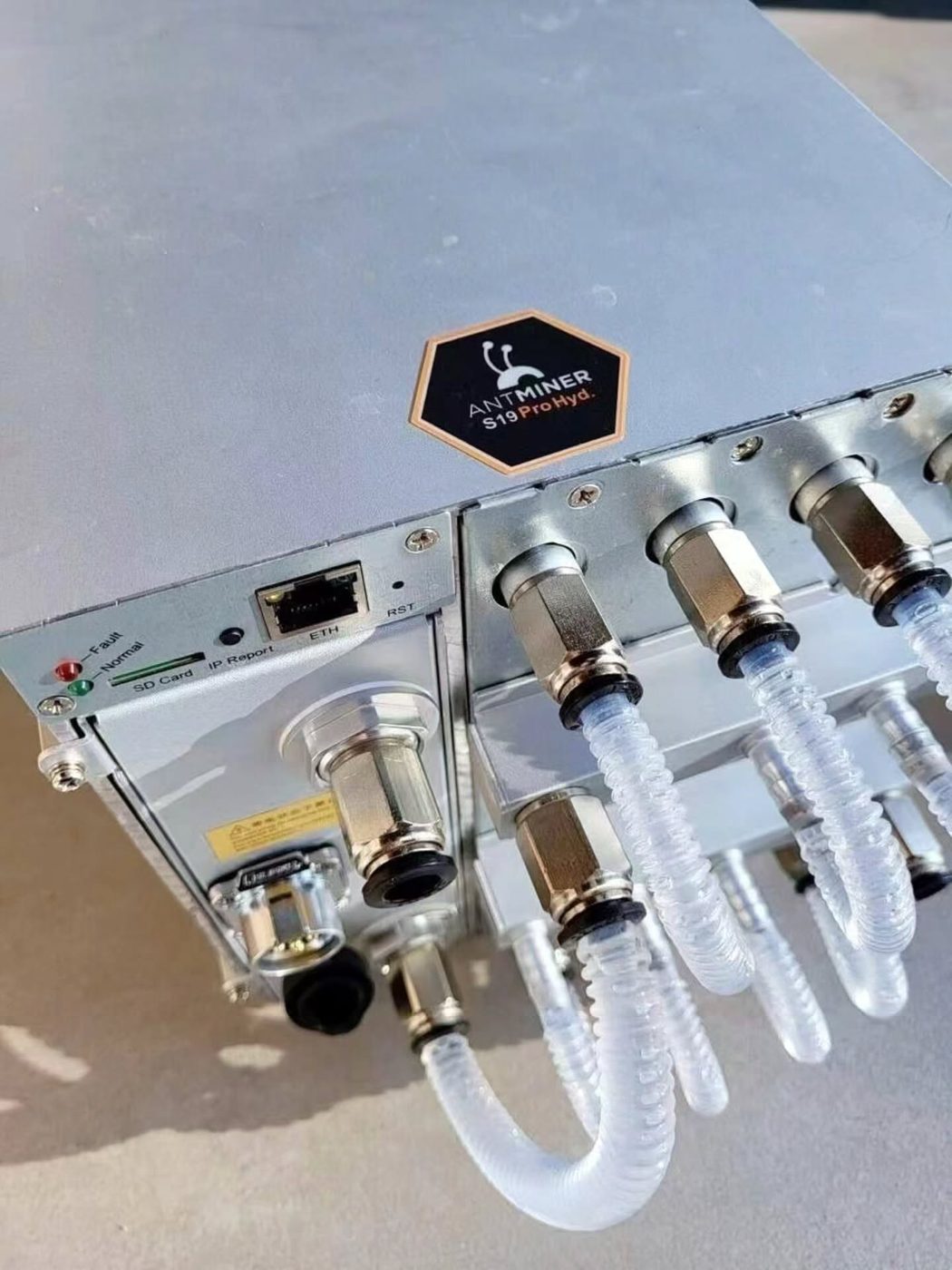
Used Bitmain Antminer S19 Pro Hyd 177 Th/s Water-Cooled Bitcoin Miner
177 Th/s | 5221W
SHA-256 · Used
$1,090$1,290
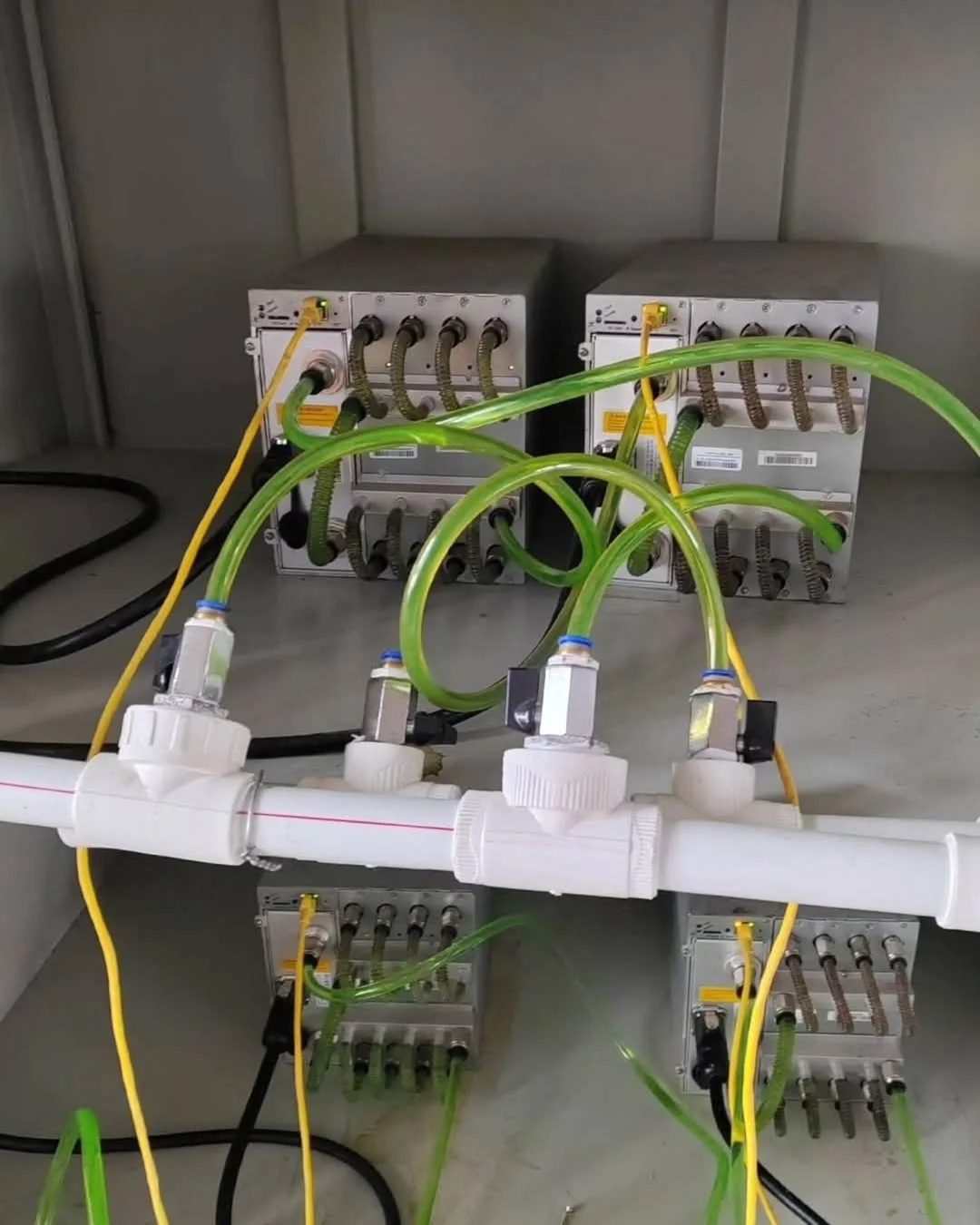
Used Bitmain Antminer S19 Pro+ Hyd 198 Th/s Hydro Bitcoin Miner
198 Th/s | 5445W
SHA-256 · Used
$1,290$1,490
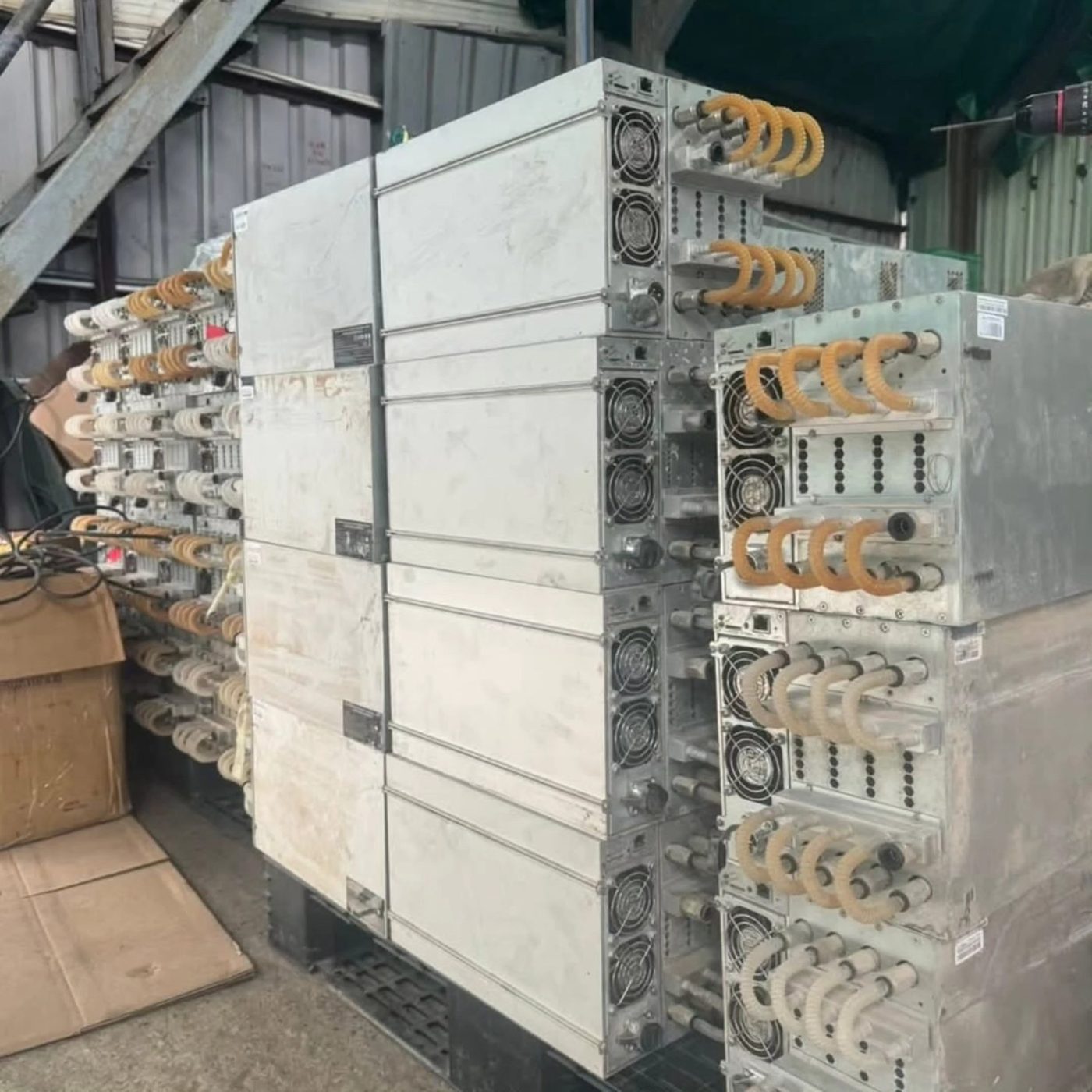
Used Bitmain Antminer S19 Hydro 151.5 Th/s Bitcoin Miner
151.5 Th/s | 5301W
SHA-256 · Used
$404$449
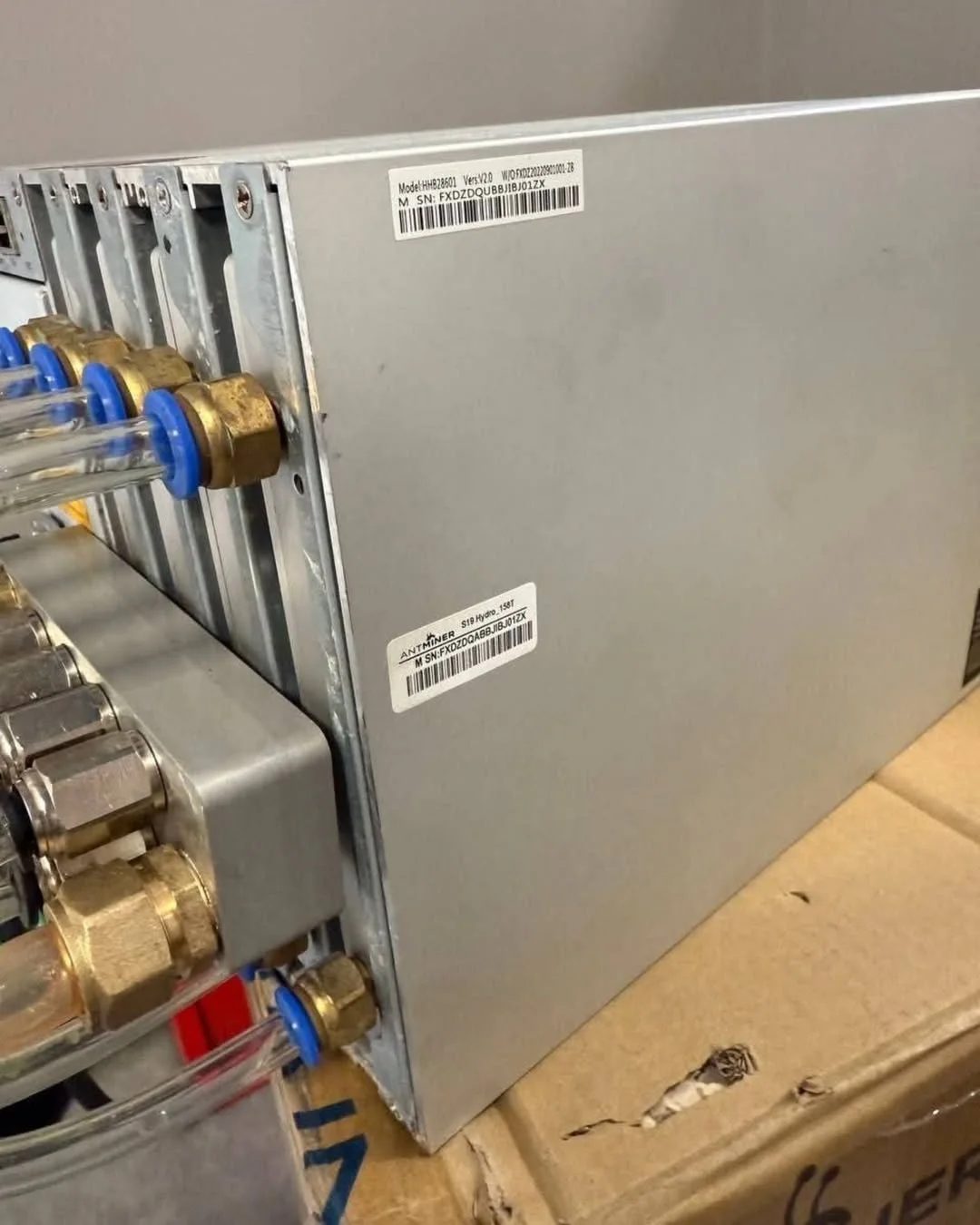
Used Bitmain Antminer S19 Hydro 158 Th/s Water-Cooled Bitcoin Miner
158 Th/s | 5350W
SHA-256 · Used
$627$699
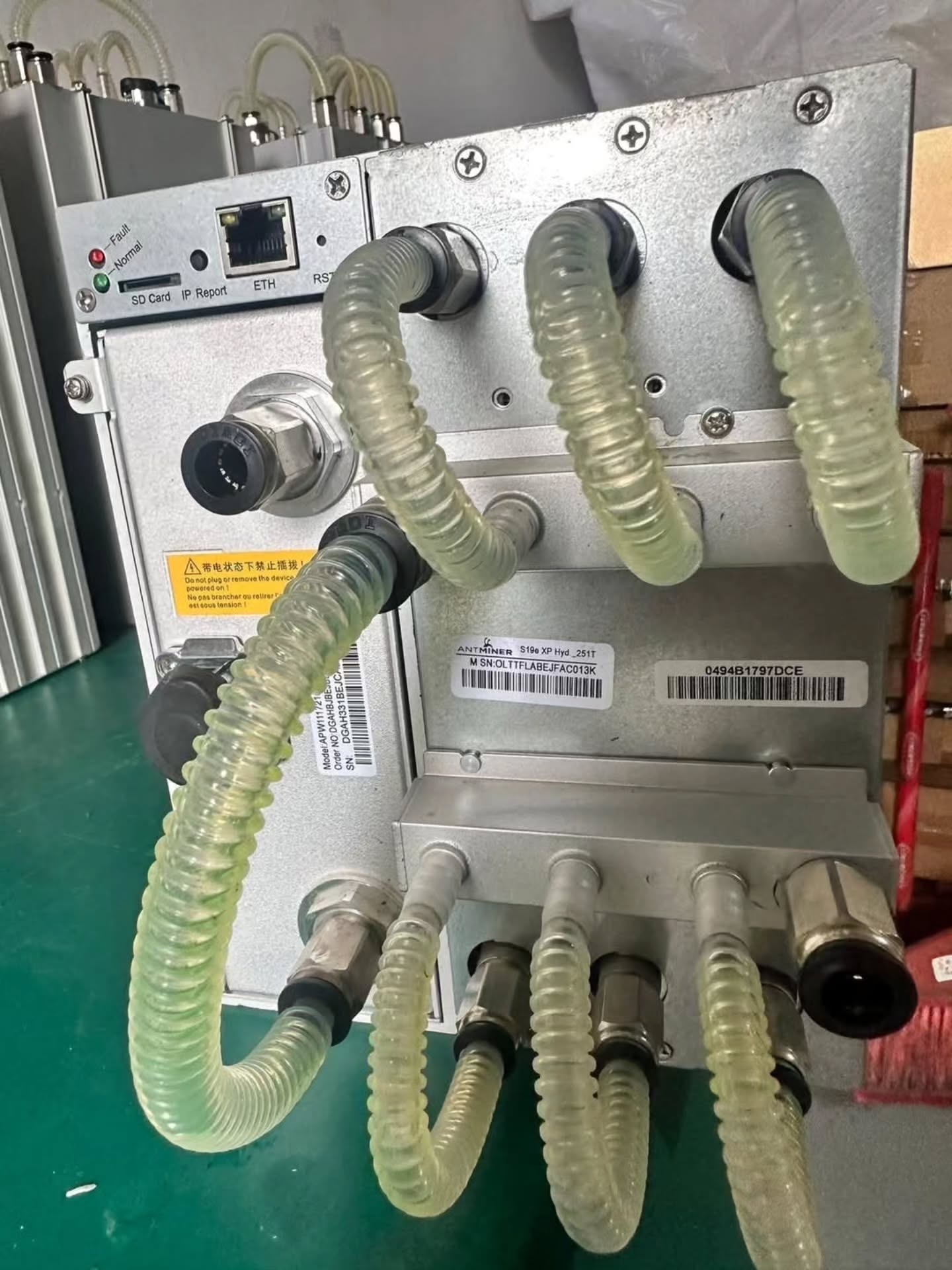
Used Bitmain Antminer S19e XP Hyd 251 TH/s Hydro Bitcoin Miner
251 TH/s | 5350 W
SHA-256 · Used
$2,900
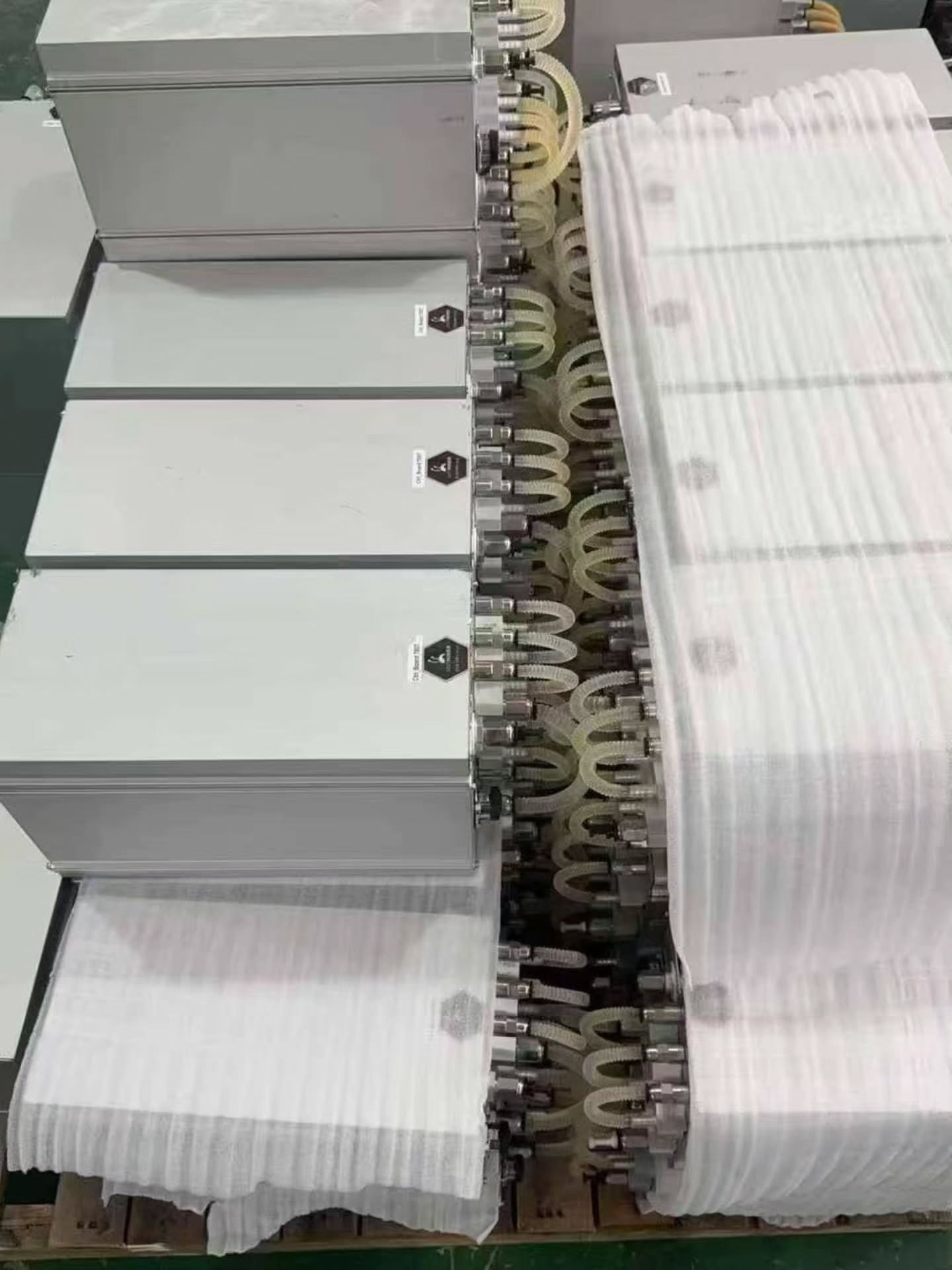
Used Bitmain Antminer S19 Hydro 198–251 TH/s Bitcoin Miner
251 TH/s | 5115 W
SHA-256 · Used
$2,650
Want the numbers run for your site?
Send us your electricity rate, available amperage and budget. We will model the machines that actually pay back at your power cost — no obligation.
Talk to an engineer