
Setup & Operations · August 31, 2026 · 5 min read
Best Deck for Miners Mine 2025: Rack, Shelf and Airflow Layouts
Searching for best deck for miners mine 2025 usually means one of two things: you are close to buying and want to make sure you are not about to overpay, or you are still working out whether the numbers make sense at all. This guide answers both, using the pricing, measured performance and failure data we see running and reselling mining hardware from our Hong Kong facility.
The short version: deck and rack layouts that stop hot-air recirculation. Every machine mentioned below is in our catalogue with a live price, a bench-test report and a photograph of the actual unit, so you can go from reading to ordering in a couple of clicks — with crypto, CashApp, Chime or bank transfer, and worldwide delivery to the USA, Canada, Europe and beyond.
Plan the Electrical Service First
Hardware is the last decision, not the first. Establish your available amperage, voltage and phase configuration, get a written rate from the utility including riders and demand charges, then size the fleet to fit. Plan roughly 1-6 kW-class draw per machine plus fifteen to twenty percent for ventilation, lighting and inrush.
deck and rack layouts that stop hot-air recirculation. A 200 A three-phase 208 V service supports about twenty full-size air-cooled machines at full load with sensible headroom. Have a licensed electrician design and sign off the distribution before anything is energised.
Airflow, Racking and Deck Layout
Machines need filtered intake air and an exhaust path that never recirculates. Physically separate hot and cold aisles, run positive pressure so dust is pushed out rather than drawn in, and size intake fans for total CFM with margin for filter loading as they clog.
For racks and decks, leave service access on both faces, never stack machines so one unit's exhaust feeds another's intake, and secure cabling clear of fan paths. Most thermal problems in small sites are layout problems, not capacity problems.
Commissioning Each Machine
Bring machines up one at a time on a wired network with static leases. Confirm all hashboards report, record baseline hashrate and per-board temperature spread, set two pool endpoints for failover, and label the physical unit with its IP and serial.
That baseline record is what makes every future diagnosis quick. A board drifting out of its temperature band is visible weeks before it fails, but only if you know what its normal band looked like.
Monitoring, Alerting and Curtailment
Alert on hashrate drop, board offline, temperature threshold and network loss. Downtime is the only cost that never appears in a spreadsheet before it happens, and a machine that quietly drops a board can run for weeks at two-thirds output without anyone noticing.
If your utility offers demand response or time-of-use pricing, build curtailment into the setup from day one. Being able to shed load in minutes turns a cost problem into a revenue opportunity on peak days.
Maintenance Rhythm
Compressed-air clean quarterly, ultrasonic hashboard clean annually, proactive fan replacement at around two years, and a weekly log of hashrate and temperature per machine. Keep one spare PSU and one spare hashboard per ten machines on the shelf.
Sites fail on operations far more often than on hardware. A boring, documented maintenance rhythm is worth more to your annual return than any firmware tune.
Buying Safely and Paying Without Exposure
The failure mode in this market is almost never the hardware — it is the transaction. Insist on a named legal entity, a verifiable phone number, a written warranty term, an invoice issued before funds move, serial numbers photographed on the machines you are actually buying, and a test report showing hashrate and per-board temperatures from a real bench run.
Every machine referenced here is listed on our catalogue with a live price, a bench-test report and a photograph of the actual unit, so you can move from this guide to a checkout in two clicks. Crypto, CashApp, Chime and bank transfer are all accepted, and orders ship worldwide from our Hong Kong warehouse to the USA, Canada, Europe, Asia, the Middle East, Latin America and Australia.
Shipping, Duties and Deployment Support
We ship air freight via DHL and FedEx with full commercial invoices, HS codes and, where relevant, EORI and VAT documentation for EU and UK buyers. Typical door-to-door transit is three to seven business days to North America and Europe, with sea freight available for container-scale orders where the freight saving justifies the longer timeline.
Deployment support does not stop at delivery. Send us your panel schedule, ambient conditions and pool preference and we will return a circuit plan, a firmware recommendation and a monitoring configuration so the fleet earns from the first day rather than the second week.
Frequently Asked Questions
- How much does the ASIC miner cost?
- We list tested ASIC miner stock at $139-$19,999. Pricing tracks bitcoin price, network difficulty and secondary-market supply, so ask for a current quote including freight and duties to your country before comparing sellers.
- What are the ASIC miner specifications?
- Rated at varies with efficiency of 12-30 J/TH and a wall draw of roughly 1-6 kW. Expect real-world output around 95 percent of rated figures in a warm room, and plan a dedicated 200-240 V circuit unless the model is specifically a low-power home unit.
- Do you ship worldwide and handle customs?
- Yes. We ship from our Hong Kong warehouse to the USA, Canada, Europe, the UK, Asia, the Middle East, Latin America, Africa and Oceania by DHL and FedEx air freight, with commercial invoices, HS codes and EORI/VAT documentation where required. Typical transit is three to seven business days.
- What payment methods do you accept?
- Major cryptocurrencies with QR-code payment and transaction verification, plus CashApp, Chime and direct bank transfer. Every order is confirmed with an invoice before funds move, and orders are only released after payment verification.
- Is there a warranty on used machines?
- Yes. Used units ship with a written warranty, commonly 30 to 90 days depending on model and grade, covering dead-on-arrival boards and PSU failure. New hardware carries manufacturer warranty. Our repair centre performs board-level work beyond the warranty period.
Recommended Miners From Our Inventory
Hardware in stock that matches this guide. Every unit is bench-tested and hashrate-verified before it ships.
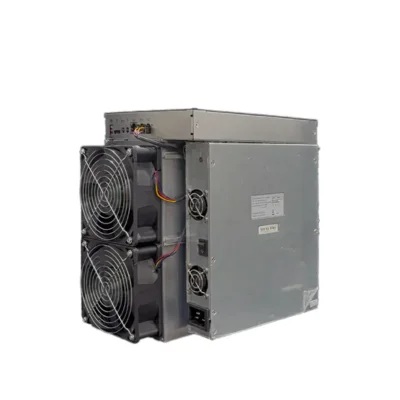
Pinecone Matches INIBOX Pro 2.4 GH/s Initverse (INI) Miner
2.4 GH/s | 1280W
VersaHash · New
$8,499
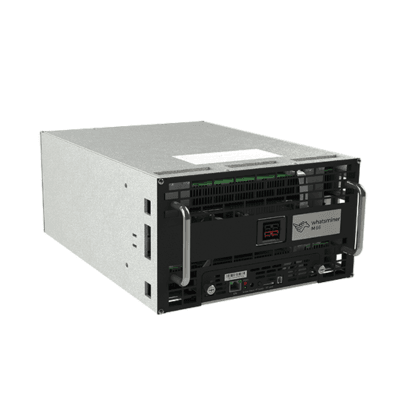
MicroBT Whatsminer M78S Hydro 472 TH/s Bitcoin Miner
472 TH/s | 6550W
SHA-256 · New
$8,699
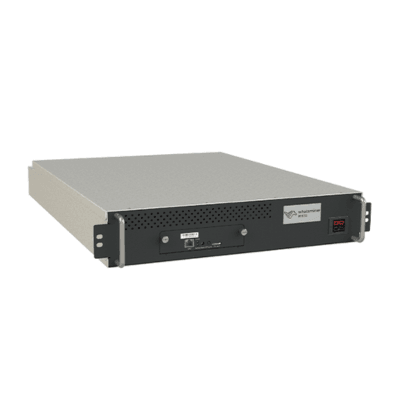
MicroBT Whatsminer M6DS++ Hydro 592 TH/s Bitcoin Miner
592 TH/s | 9200W
SHA-256 · New
$4,959
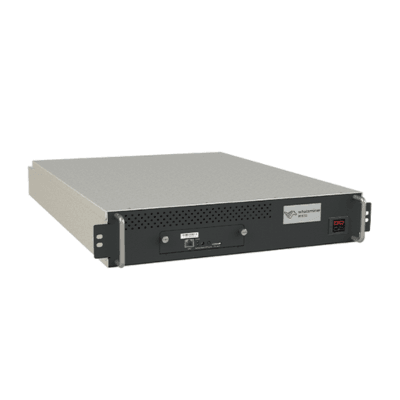
MicroBT Whatsminer M6DS+ Hydro 540 TH/s Bitcoin Miner
540 TH/s | 9200W
SHA-256 · New
$4,699
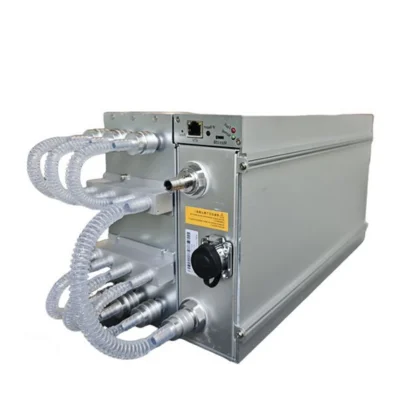
Bitmain Antminer S21j XP Hydro 495 TH/s Bitcoin Miner
495 TH/s | 5940W
SHA-256 · New
$6,579
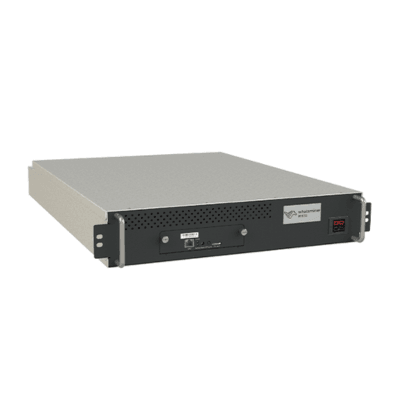
MicroBT Whatsminer M63S+ Hydro 430 TH/s Bitcoin Miner
430 TH/s | 7208W
SHA-256 · New
$4,099
Want the numbers run for your site?
Send us your electricity rate, available amperage and budget. We will model the machines that actually pay back at your power cost — no obligation.
Talk to an engineer