
Buying Guides · August 2, 2026 · 8 min read
Antminer S23 Hyd Price Guide and Buying Checklist
This guide covers buying the S23 Hyd safely. It is written from the perspective of a dealer that stocks, bench-tests, ships and repairs this hardware every week from Hong Kong, not from a spec sheet or an affiliate feed.
Search interest in "antminer s23 hyd" is dominated by two practical questions: what does it cost delivered, and does it earn at my electricity rate. Both are answered below with the arithmetic you can reuse for any machine, followed by the units we currently hold in stock.
Resale Value and Exit Planning
Hardware is a depreciating asset with a liquid secondary market, so plan your exit when you buy. Current-generation efficiency holds value best; older units track the profitability threshold and can lose half their price in a single difficulty cycle. Keep original boxes, PSUs and test reports because complete, documented units sell faster and higher.
If you intend to upgrade on a two-year cadence, factor expected resale into your model rather than assuming zero residual. We buy back and trade in tested fleets, which gives operators a predictable floor and removes the marketplace risk from the exit side of the trade.
How This Fits a Diversified Mining Strategy
Most serious operators run a blend: current-generation SHA-256 machines for the core position, older units for cheap seasonal capacity, and sometimes a Scrypt or altcoin unit for exposure to a different reward curve. That mix smooths revenue across difficulty and price cycles better than an all-in bet on one model.
Match the blend to your power contract. Firm, cheap, year-round power favours a large fleet of efficient machines; interruptible or seasonal power favours cheap hardware you can switch off without regret. The hardware follows the electricity, never the other way round.
Efficiency in Joules per Terahash Decides Everything
Every buying decision in antminer s23 hyd comes back to joules per terahash. That single ratio tells you how much electricity the machine burns for each unit of work, and it is the number that survives difficulty increases, halvings and price drawdowns. A unit at 13 J/TH earns through conditions that push a 26 J/TH machine into a daily loss.
Work out your own break-even before comparing models: multiply the machine's wall draw in kilowatts by 24 hours and by your all-in electricity rate, including delivery, demand and transmission charges. Compare that daily cost to expected daily revenue at current difficulty. If the margin is thin today, the next adjustment will erase it.
Price per Terahash, Not Headline Hashrate
Headline hashrate sells machines; delivered cost per terahash pays for them. Take the landed price — hardware plus freight plus duties — and divide by rated terahash to get a comparable figure across brands. That normalised number is how professional buyers shortlist hardware in antminer s23 hyd and it routinely reorders the ranking you get from marketing pages.
Then weigh capital efficiency against efficiency. Cheap power favours low purchase price and tolerates higher J/TH; expensive power demands current-generation efficiency even at a premium. There is no single right answer, only the right answer for your rate and your holding period.
Thermals, Noise and Where the Machine Will Live
Air-cooled ASICs run at 72 to 80 decibels — comparable to a vacuum cleaner that never stops — and dump their entire electrical draw into the room as heat. That makes them fine for a warehouse or an insulated outbuilding and unpleasant anywhere near living space. Hydro and immersion units are near-silent because the noise source is the pump loop, not high-static fans.
Plan intake and exhaust so hot air never recirculates into the intake. Separate hot and cold aisles physically, run slight positive pressure with filtered intake so dust is pushed out rather than drawn in, and size total CFM with margin for filter loading. Recirculation is the most common cause of unexplained hashrate loss.
Electrical Requirements and Circuit Planning
Nearly all modern ASICs need 200-240 V at roughly 16 to 20 amps per machine, which is a dedicated circuit, not a household outlet. Allow about 3.5 kW per air-cooled unit and add 15 to 20 percent headroom for inrush, ventilation and lighting. A 200 A three-phase 208 V service supports roughly 20 machines at full load.
Use properly rated PDUs, never daisy-chain, and have a licensed electrician sign off the design before energising anything. Send us your panel schedule and we will return a circuit plan mapped to the exact machines in your order so the fleet earns from day one rather than week three.
Firmware, Pools and Day-One Configuration
Keep firmware current but conservative. Manufacturer releases usually improve stability and thermal management; aggressive third-party overclock profiles raise voltage and shorten hardware life. If you do tune, do it on hydro or immersion machines where coolant temperature sets the ceiling, and watch results closely for the first month.
Point the fleet at one pool standard with a worker naming scheme you can read at a glance, and send payouts to a wallet you control rather than an exchange deposit address. Set alerting on hashrate deviation and per-board temperature spread so a failure shows up in minutes, not on the next invoice.
Frequently Asked Questions
- Can I run antminer s23 hyd at home?
- Only with a dedicated 200-240 V circuit, somewhere the 72-80 dB of an air-cooled unit will not be a problem, and a plan for the heat. Hydro and immersion machines are far quieter and suit basements and garages, but they need a coolant loop and a heat rejection path.
- How do you test hardware before shipping?
- Every unit runs on our bench under load, and we record hashrate against rated output, per-board temperature spread, fan RPM and PSU behaviour. You receive that report plus photographs of the serial numbers on the machines actually reserved for your order.
- Is antminer s23 hyd a good buy at my electricity rate?
- Under about six cents per kilowatt hour, cheap previous-generation hardware usually pays back fastest. Above ten cents, only current-generation efficiency in the 12-18 J/TH band holds margin. Send us your rate and capacity and we will model the specific machines that make sense before you spend anything.
- Do you ship worldwide and handle customs?
- Yes. We ship from our Hong Kong warehouse to the USA, Canada, Europe, the UK, Asia, the Middle East, Latin America, Africa and Oceania via DHL and FedEx air freight, with commercial invoices, HS codes and EORI/VAT paperwork where required. Typical transit is three to seven business days.
- What payment methods do you accept?
- Payment is in major cryptocurrencies — Bitcoin, USDT, Bitcoin Cash, BNB and Dogecoin among others. You choose the asset, pay to the QR-coded address shown at checkout, submit the transaction ID, and the order is released once the payment is verified against your invoice.
Recommended Miners From Our Inventory
Hardware in stock that matches this guide. Every unit is bench-tested and hashrate-verified before it ships.
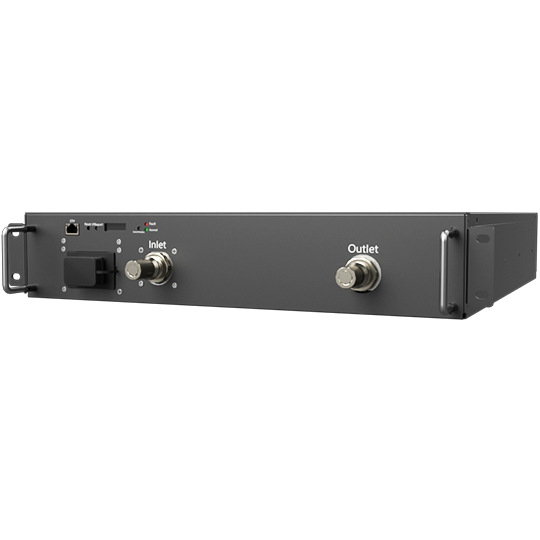
Bitmain Antminer S23e U2H 865 Th/s Bitcoin Miner
865 Th/s | 8650W
SHA-256 (Bitcoin) · New
$9,515
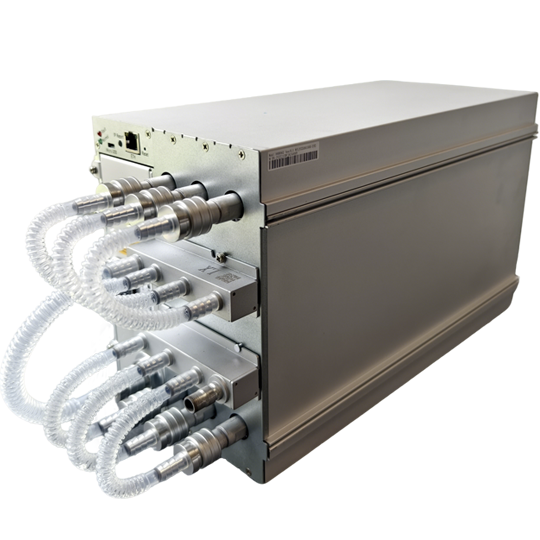
Bitmain Antminer S23 Hyd. 580 Th/s Bitcoin Miner
580 Th/s | 5510W
SHA-256 (Bitcoin) · New
$17,400
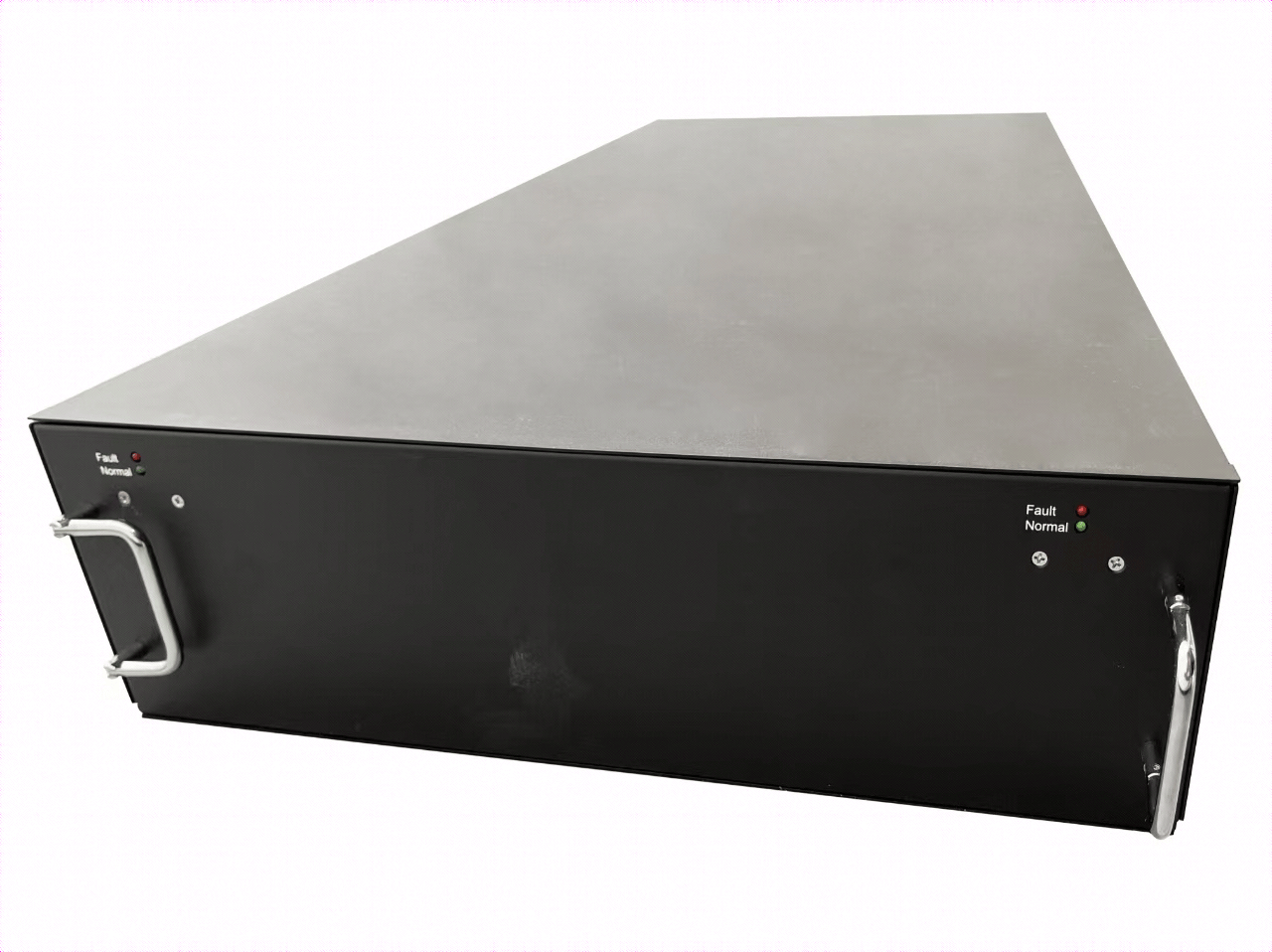
Bitmain Antminer U3S23H 1160 Th/s Bitcoin Miner
1160 Th/s | 11020W
SHA-256 (Bitcoin) · New
$34,800
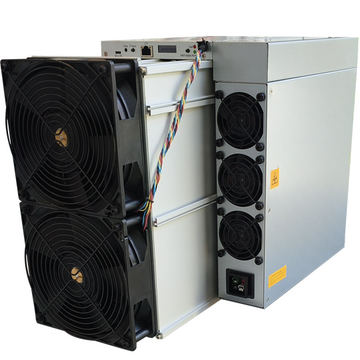
Bitmain Antminer S23 305 Th/s Bitcoin Miner
305 Th/s | 3355W
SHA-256 (Bitcoin) · New
$9,150
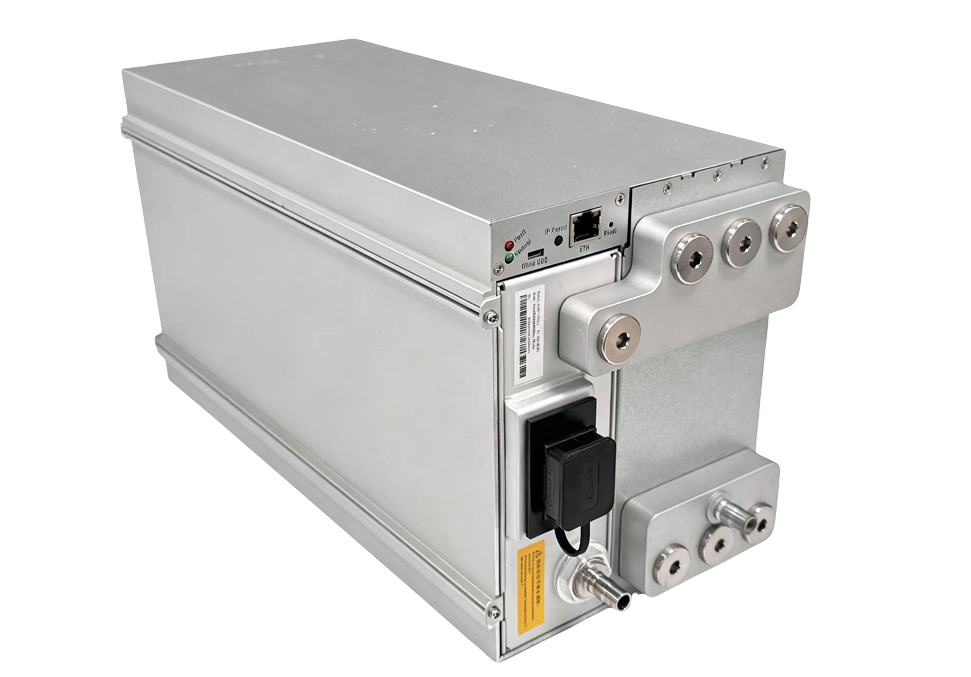
Bitmain Antminer S23 XP Hyd. 600 Th/s Bitcoin Miner
600 Th/s | 5340W
SHA-256 (Bitcoin) · New
$15,300
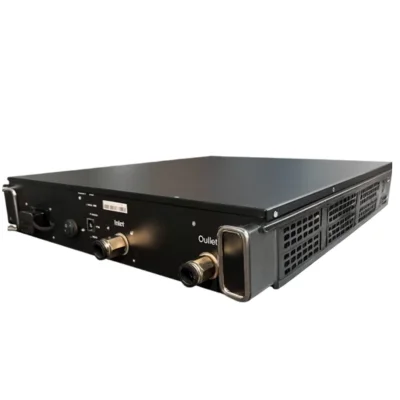
Bitmain Antminer S23e Hydro 2U 865 TH/s Bitcoin Miner
865 TH/s | 8650W
SHA-256 · New
$19,999
Want the numbers run for your site?
Send us your electricity rate, available amperage and budget. We will model the machines that actually pay back at your power cost — no obligation.
Talk to an engineer