
Setup & Operations · August 31, 2026 · 5 min read
Antminer S19 Overclock Firmware Compared: Vnish, Braiins, LuxOS
Searching for antminer s19 overclock firmware usually means one of two things: you are close to buying and want to make sure you are not about to overpay, or you are still working out whether the numbers make sense at all. This guide answers both, using the pricing, measured performance and failure data we see running and reselling mining hardware from our Hong Kong facility.
The short version: pre-flashed units shipped tuned and tested. Every machine mentioned below is in our catalogue with a live price, a bench-test report and a photograph of the actual unit, so you can go from reading to ordering in a couple of clicks — with crypto, CashApp, Chime or bank transfer, and worldwide delivery to the USA, Canada, Europe and beyond.
What Custom Firmware Actually Changes
Third-party firmware for the Antminer S19j Pro does not add magic hashrate. It exposes the voltage and frequency tables that stock firmware locks, lets you set per-hashboard tuning, adds autotune routines that find a stable operating point chip by chip, and usually improves the monitoring interface and pool failover logic.
The practical outcome is a choice: push frequency up for more hashrate at worse efficiency, or pull voltage down for better joules per terahash at slightly lower output. pre-flashed units shipped tuned and tested.
Overclocking Versus Underclocking for Profit
Overclocking pays when your power is very cheap and your revenue per terahash is high, because you are buying extra hashrate with extra electricity and accepting accelerated wear. Underclocking pays when power is expensive, because efficiency improves as you drop the voltage curve and the machine keeps earning through conditions that switch off aggressive fleets.
Most operators over-index on overclocking. Run the numbers both ways for a week each on identical machines and let measured revenue decide — the efficiency profile wins more often than the forums suggest.
Vnish, Braiins OS and LuxOS Compared
Vnish is the pragmatic default on Bitmain hardware: broad model coverage, strong autotune and a straightforward interface, with a per-machine fee. Braiins OS is the choice for operators who value transparency, granular per-chip control and detailed telemetry. LuxOS targets larger fleets with strong management tooling and curtailment features.
All three deliver similar efficiency ceilings on the same silicon. Choose on fleet management, support and licensing rather than on peak numbers in a benchmark screenshot, and then standardise — a mixed-firmware fleet is a maintenance tax you pay forever.
Thermal and Warranty Consequences
Higher voltage means higher junction temperature, and junction temperature is what kills chips and fatigues solder joints. If you tune aggressively, tune on hydro or immersion hardware where the thermal ceiling is controlled by coolant rather than room air, and watch the temperature spread across sensors weekly.
Flashing third-party firmware voids manufacturer warranty on new machines. On used hardware that is usually moot, and our own warranty terms state explicitly which firmware states are covered so there is no ambiguity after the fact.
Safe Flashing Procedure
Back up the existing configuration, record the stock firmware version, flash over a wired network connection on a stable circuit, and never power-cycle mid-write. Bring the machine up on a conservative profile first, confirm all hashboards report, then apply autotune and let it settle for at least twenty-four hours before judging results.
Keep a known-good control board and a copy of the stock image on hand. Bricked control boards are recoverable with an SD card image in most cases, and having the files ready turns a lost weekend into a twenty-minute job.
Buying Safely and Paying Without Exposure
The failure mode in this market is almost never the hardware — it is the transaction. Insist on a named legal entity, a verifiable phone number, a written warranty term, an invoice issued before funds move, serial numbers photographed on the machines you are actually buying, and a test report showing hashrate and per-board temperatures from a real bench run.
Every machine referenced here is listed on our catalogue with a live price, a bench-test report and a photograph of the actual unit, so you can move from this guide to a checkout in two clicks. Crypto, CashApp, Chime and bank transfer are all accepted, and orders ship worldwide from our Hong Kong warehouse to the USA, Canada, Europe, Asia, the Middle East, Latin America and Australia.
Shipping, Duties and Deployment Support
We ship air freight via DHL and FedEx with full commercial invoices, HS codes and, where relevant, EORI and VAT documentation for EU and UK buyers. Typical door-to-door transit is three to seven business days to North America and Europe, with sea freight available for container-scale orders where the freight saving justifies the longer timeline.
Deployment support does not stop at delivery. Send us your panel schedule, ambient conditions and pool preference and we will return a circuit plan, a firmware recommendation and a monitoring configuration so the fleet earns from the first day rather than the second week.
Frequently Asked Questions
- How much does the Antminer S19j Pro cost?
- We list tested Antminer S19j Pro stock at $195-$800. Pricing tracks bitcoin price, network difficulty and secondary-market supply, so ask for a current quote including freight and duties to your country before comparing sellers.
- What are the Antminer S19j Pro specifications?
- Rated at 104-110 TH/s with efficiency of 29.5 J/TH and a wall draw of roughly 3050 W. Expect real-world output around 95 percent of rated figures in a warm room, and plan a dedicated 200-240 V circuit unless the model is specifically a low-power home unit.
- Do you ship worldwide and handle customs?
- Yes. We ship from our Hong Kong warehouse to the USA, Canada, Europe, the UK, Asia, the Middle East, Latin America, Africa and Oceania by DHL and FedEx air freight, with commercial invoices, HS codes and EORI/VAT documentation where required. Typical transit is three to seven business days.
- What payment methods do you accept?
- Major cryptocurrencies with QR-code payment and transaction verification, plus CashApp, Chime and direct bank transfer. Every order is confirmed with an invoice before funds move, and orders are only released after payment verification.
- Is there a warranty on used machines?
- Yes. Used units ship with a written warranty, commonly 30 to 90 days depending on model and grade, covering dead-on-arrival boards and PSU failure. New hardware carries manufacturer warranty. Our repair centre performs board-level work beyond the warranty period.
Recommended Miners From Our Inventory
Hardware in stock that matches this guide. Every unit is bench-tested and hashrate-verified before it ships.
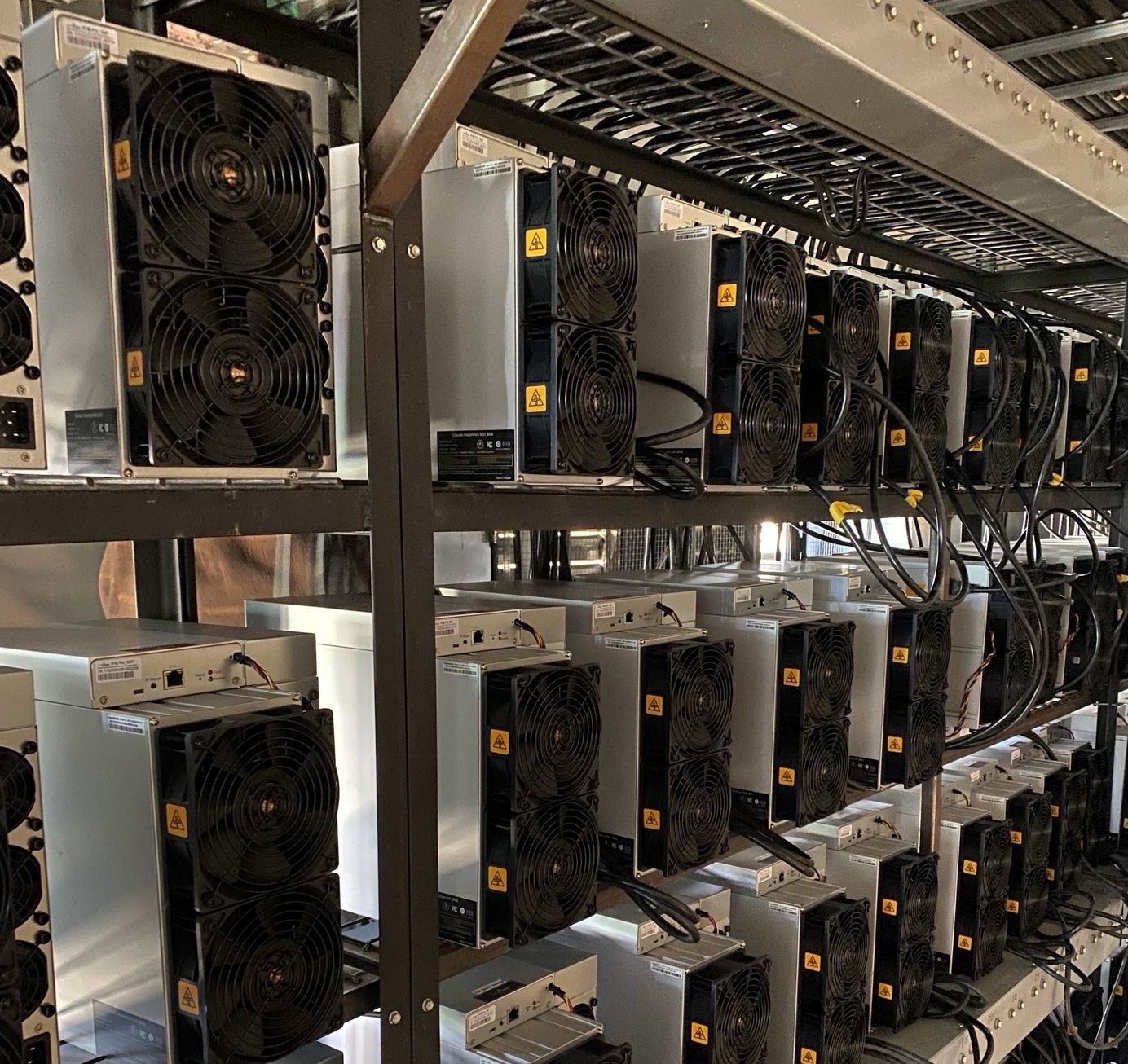
Bitmain Antminer S19j Pro 105TH Used ASIC Miner – Braiins/Vnish OS, 30-Day Warranty
105 TH/s | 3100W
SHA-256 · Used
$195
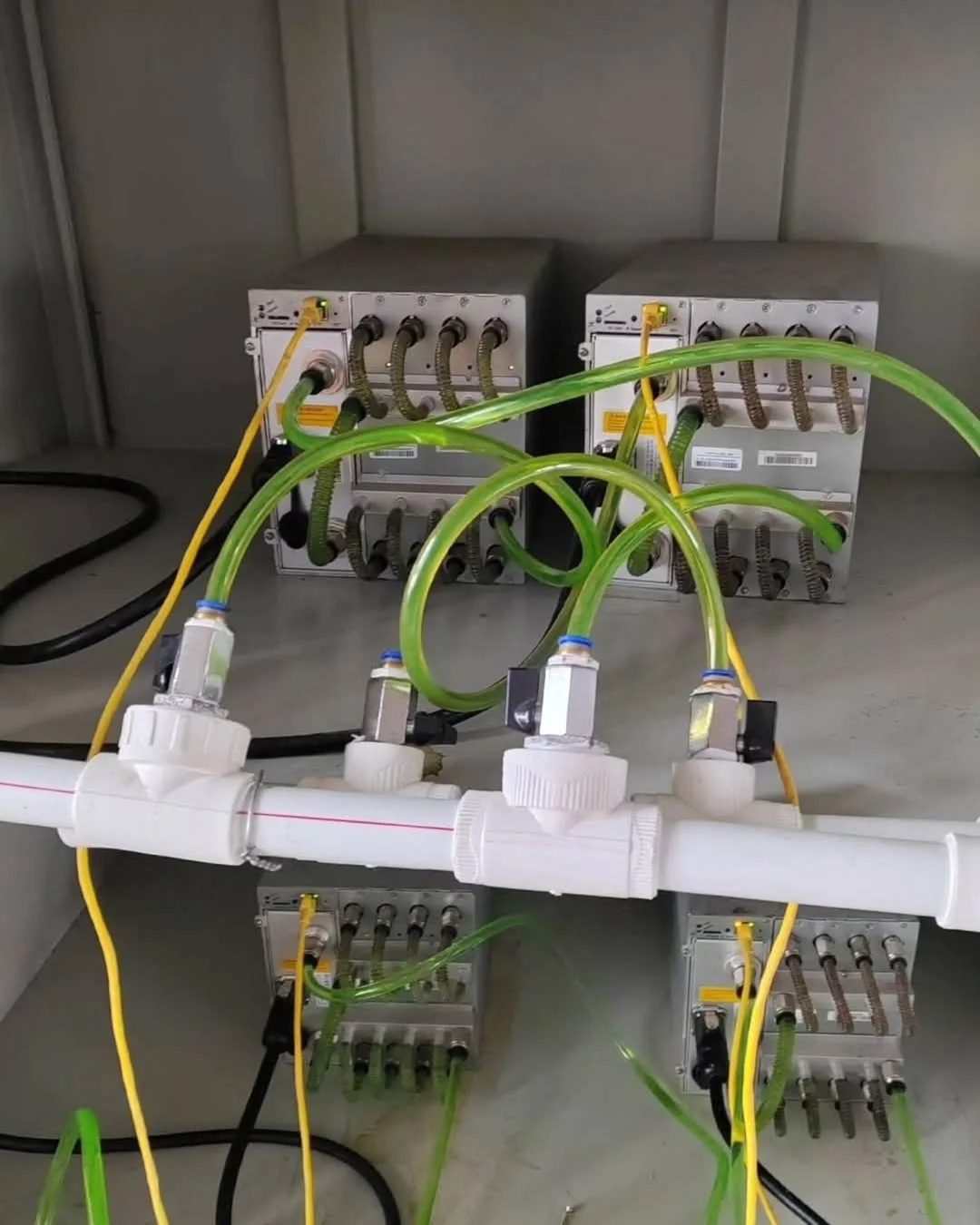
Used Bitmain Antminer S19 Pro+ Hyd 198 Th/s Hydro Bitcoin Miner
198 Th/s | 5445W
SHA-256 · Used
$1,290$1,490
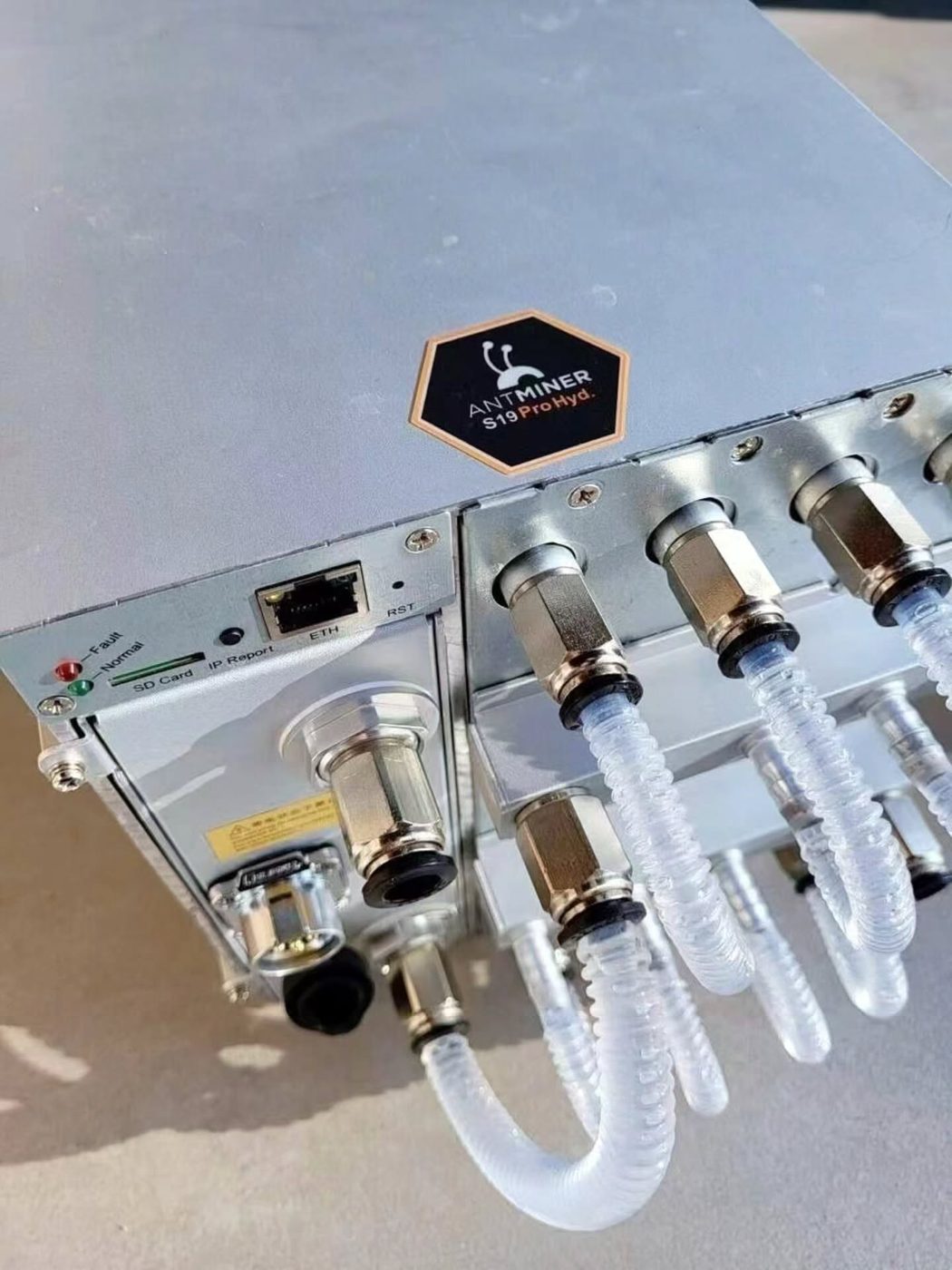
Used Bitmain Antminer S19 Pro Hyd 177 Th/s Water-Cooled Bitcoin Miner
177 Th/s | 5221W
SHA-256 · Used
$1,090$1,290
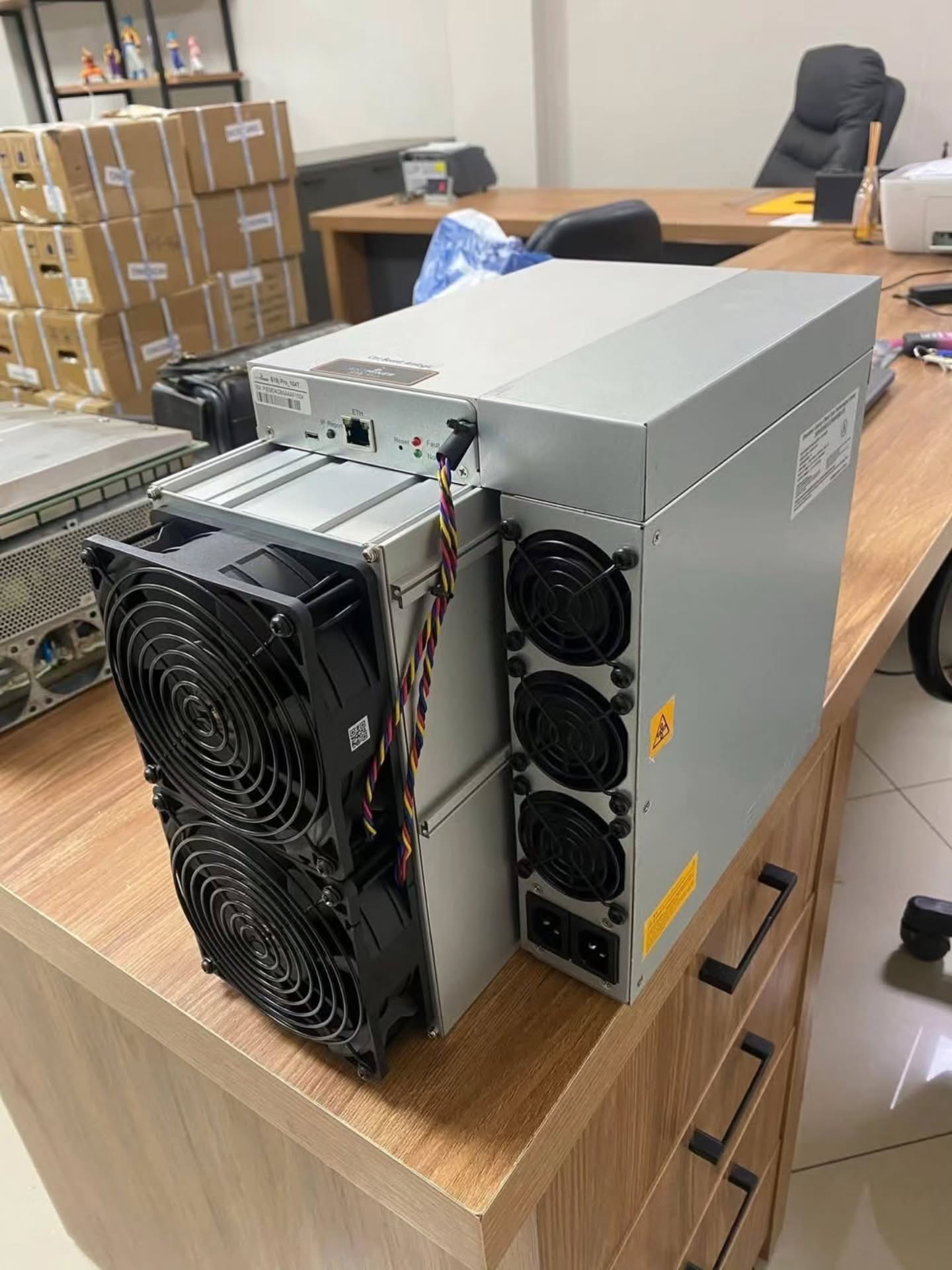
Bitmain Antminer S19j Pro 104 TH/s Bitcoin Miner
104 TH/s | 3068 W
SHA-256 · Used
$800
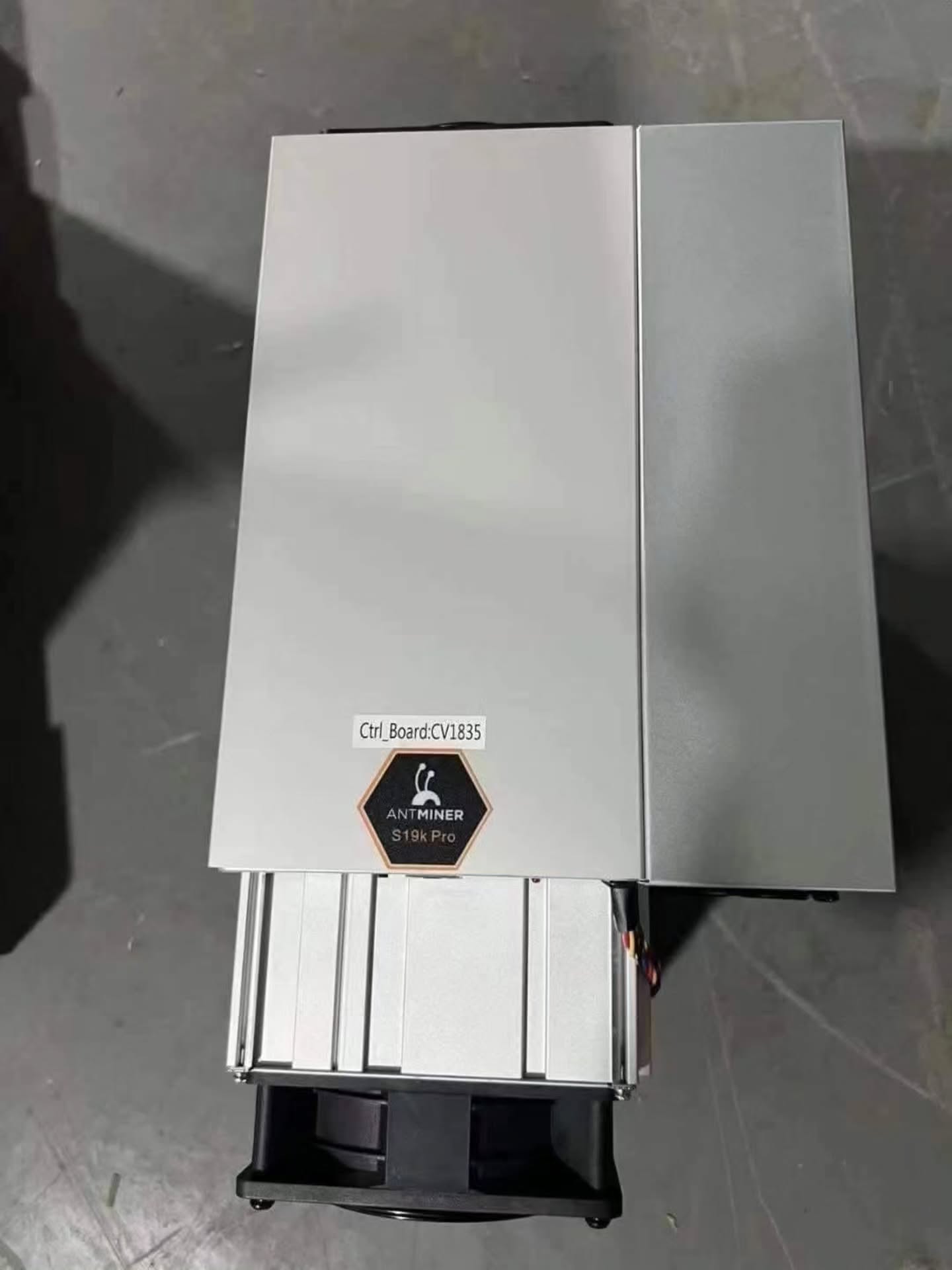
Used Bitmain Antminer S19k Pro 120 TH/s Bitcoin Miner
120 TH/s | 2760 W
SHA-256 · Used
$1,150
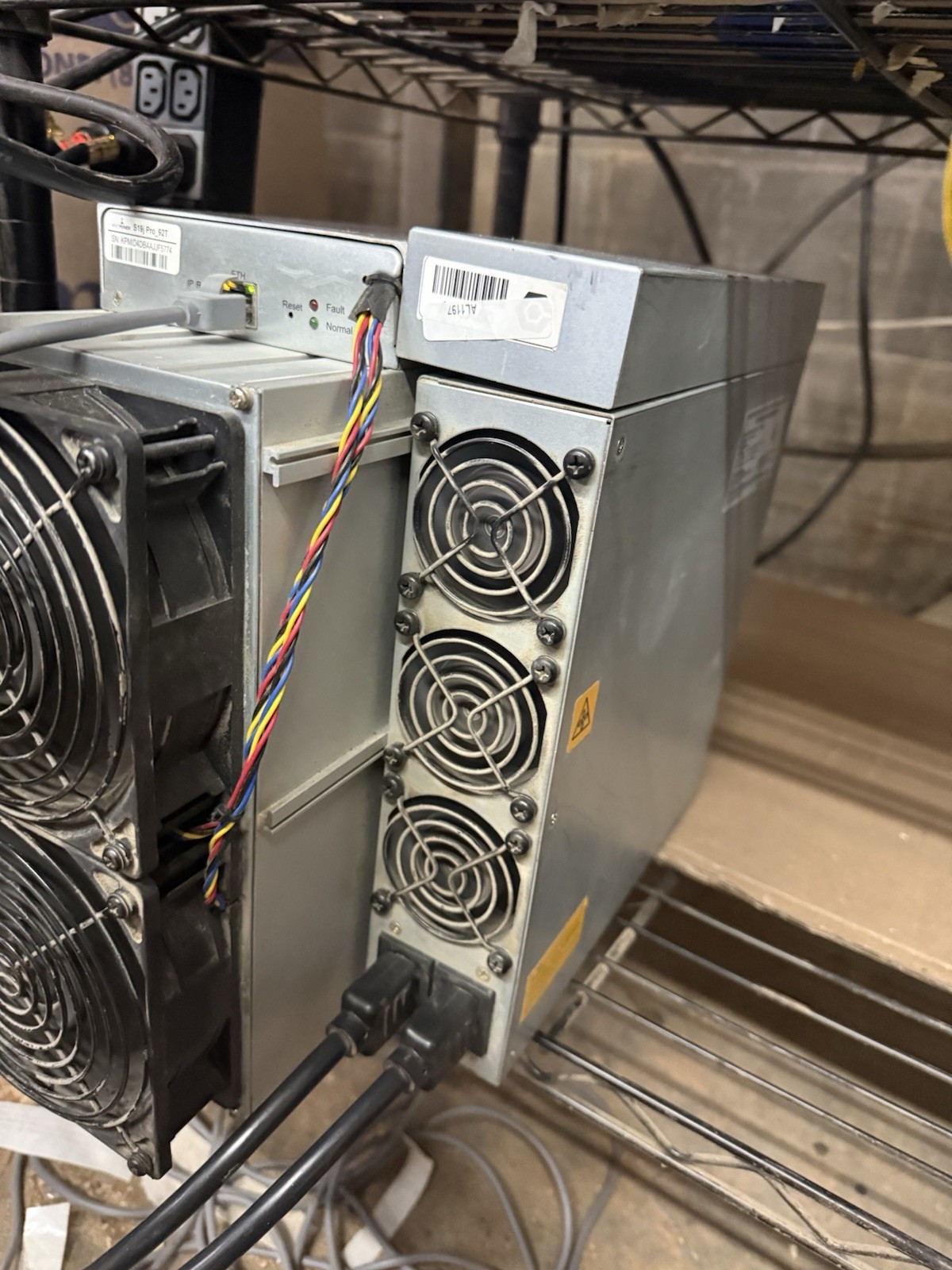
Bitmain Antminer S19j Pro 108TH Used ASIC Bitcoin Miner – Braiins OS Boosted
108 TH/s | 3250W
SHA-256 · Used
$300
Want the numbers run for your site?
Send us your electricity rate, available amperage and budget. We will model the machines that actually pay back at your power cost — no obligation.
Talk to an engineer