
Profitability · August 31, 2026 · 5 min read
Antminer D7 Profitability Calculator: Build Your Own Model
Searching for antminer d7 profitability calculator usually means one of two things: you are close to buying and want to make sure you are not about to overpay, or you are still working out whether the numbers make sense at all. This guide answers both, using the pricing, measured performance and failure data we see running and reselling mining hardware from our Hong Kong facility.
The short version: the five inputs every calculator gets wrong. Every machine mentioned below is in our catalogue with a live price, a bench-test report and a photograph of the actual unit, so you can go from reading to ordering in a couple of clicks — with crypto, CashApp, Chime or bank transfer, and worldwide delivery to the USA, Canada, Europe and beyond.
Why Online Calculators Mislead
Most profitability calculators default to current difficulty, current price, 100 percent uptime, zero fees and datasheet wattage. Every one of those defaults is optimistic, and stacked together they can overstate annual return by a wide margin.
Build your own model instead. It needs five inputs: measured wall watts, your all-in power rate, realistic uptime, pool fee, and an assumed monthly difficulty growth rate. the five inputs every calculator gets wrong.
Getting the Wattage Input Right
Use a metered reading at the wall, not the datasheet. The Antminer D7 is rated at 3148 W, and real draw commonly runs a few percent above nameplate once fans spin up in a warm room. Cooling overhead — intake fans, exhaust fans, pumps on hydro systems — is additional and belongs in the model.
For a rough site-level number, add ten to fifteen percent to the sum of your machine nameplates. That is the figure your utility will bill you against, and it is the figure your payback should be computed on.
Modelling Difficulty Growth
Difficulty adjusts roughly every two weeks and has risen over the long run as more efficient hardware comes online. A conservative model assumes continued growth of a few percent per month; an aggressive one assumes flat difficulty, which history rarely rewards.
Run three scenarios — flat, moderate growth and rapid growth — and look at where break-even lands in each. If the moderate case does not clear your cost of capital, the purchase is a bet on price appreciation rather than a mining investment, and you should size it accordingly.
Uptime, Fees and Maintenance Reserve
Assume 95 to 98 percent uptime for a well-run small site, lower for a first deployment. Subtract pool fees explicitly. Then reserve five to eight percent of hardware value per year for fans, PSUs, hashboard repairs and filtration consumables — those costs are certain, only their timing is not.
Operators who skip the maintenance reserve report good margins for a year and then take a large unbudgeted hit. Building it in from day one produces numbers you can actually plan against.
Turning the Model Into a Purchase Decision
Compute payback in months under your moderate scenario, and compare it against your alternatives — a different machine, hosted hashrate, or simply buying the coin. If mining does not beat buying the asset outright under your own assumptions, that is valuable information rather than a failure.
Send us your inputs and we will run the same model across every machine we hold in stock and return the three that produce the shortest realistic payback at your power rate. That comparison is free and it costs you nothing to be told the honest answer.
Buying Safely and Paying Without Exposure
The failure mode in this market is almost never the hardware — it is the transaction. Insist on a named legal entity, a verifiable phone number, a written warranty term, an invoice issued before funds move, serial numbers photographed on the machines you are actually buying, and a test report showing hashrate and per-board temperatures from a real bench run.
Every machine referenced here is listed on our catalogue with a live price, a bench-test report and a photograph of the actual unit, so you can move from this guide to a checkout in two clicks. Crypto, CashApp, Chime and bank transfer are all accepted, and orders ship worldwide from our Hong Kong warehouse to the USA, Canada, Europe, Asia, the Middle East, Latin America and Australia.
Shipping, Duties and Deployment Support
We ship air freight via DHL and FedEx with full commercial invoices, HS codes and, where relevant, EORI and VAT documentation for EU and UK buyers. Typical door-to-door transit is three to seven business days to North America and Europe, with sea freight available for container-scale orders where the freight saving justifies the longer timeline.
Deployment support does not stop at delivery. Send us your panel schedule, ambient conditions and pool preference and we will return a circuit plan, a firmware recommendation and a monitoring configuration so the fleet earns from the first day rather than the second week.
Frequently Asked Questions
- How much does the Antminer D7 cost?
- We list tested Antminer D7 stock at legacy X11 tier. Pricing tracks bitcoin price, network difficulty and secondary-market supply, so ask for a current quote including freight and duties to your country before comparing sellers.
- What are the Antminer D7 specifications?
- Rated at 1286 GH/s with efficiency of 2.45 J/GH and a wall draw of roughly 3148 W. Expect real-world output around 95 percent of rated figures in a warm room, and plan a dedicated 200-240 V circuit unless the model is specifically a low-power home unit.
- Do you ship worldwide and handle customs?
- Yes. We ship from our Hong Kong warehouse to the USA, Canada, Europe, the UK, Asia, the Middle East, Latin America, Africa and Oceania by DHL and FedEx air freight, with commercial invoices, HS codes and EORI/VAT documentation where required. Typical transit is three to seven business days.
- What payment methods do you accept?
- Major cryptocurrencies with QR-code payment and transaction verification, plus CashApp, Chime and direct bank transfer. Every order is confirmed with an invoice before funds move, and orders are only released after payment verification.
- Is there a warranty on used machines?
- Yes. Used units ship with a written warranty, commonly 30 to 90 days depending on model and grade, covering dead-on-arrival boards and PSU failure. New hardware carries manufacturer warranty. Our repair centre performs board-level work beyond the warranty period.
Recommended Miners From Our Inventory
Hardware in stock that matches this guide. Every unit is bench-tested and hashrate-verified before it ships.
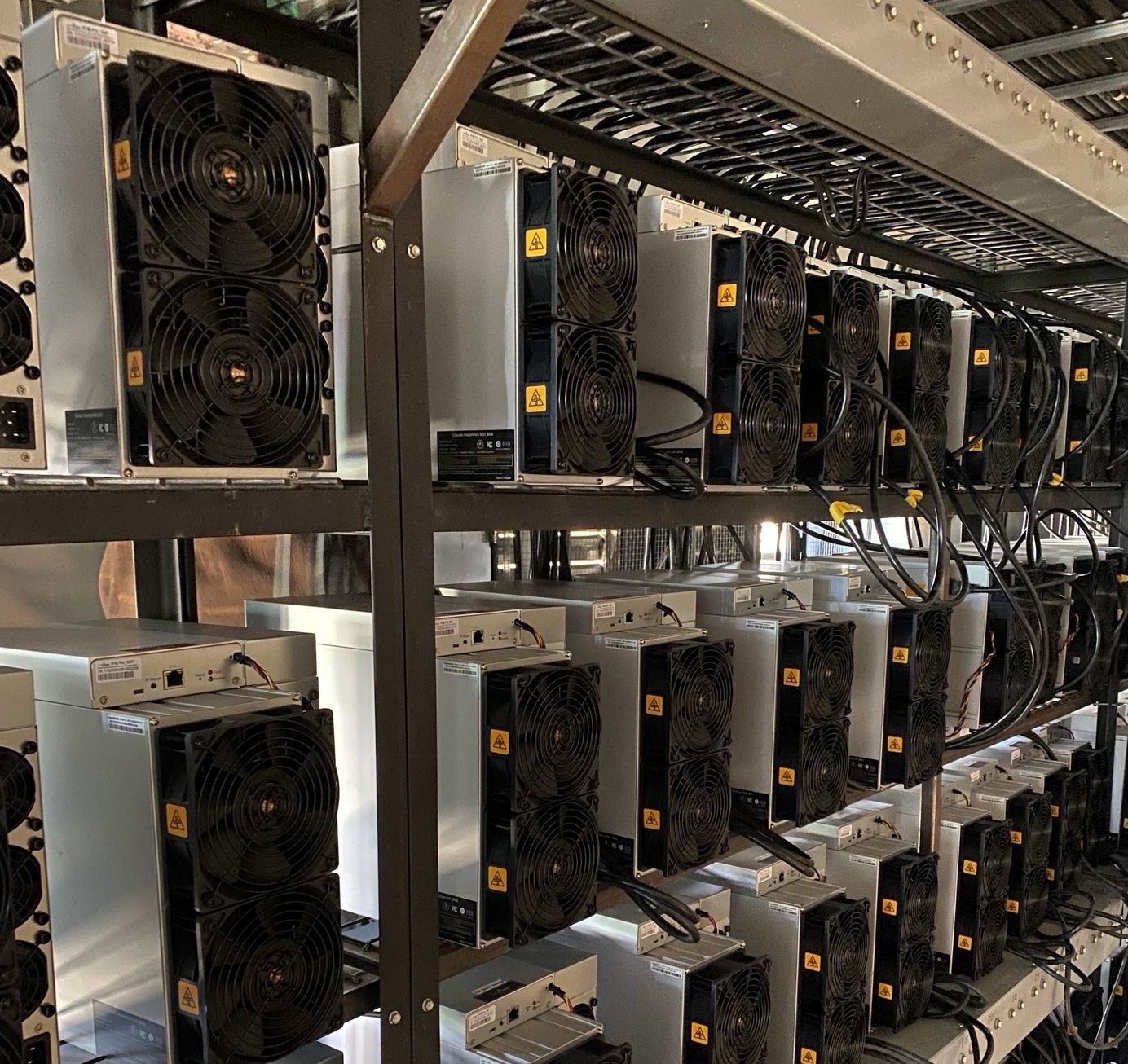
Bitmain Antminer S19j Pro 105TH Used ASIC Miner – Braiins/Vnish OS, 30-Day Warranty
105 TH/s | 3100W
SHA-256 · Used
$195
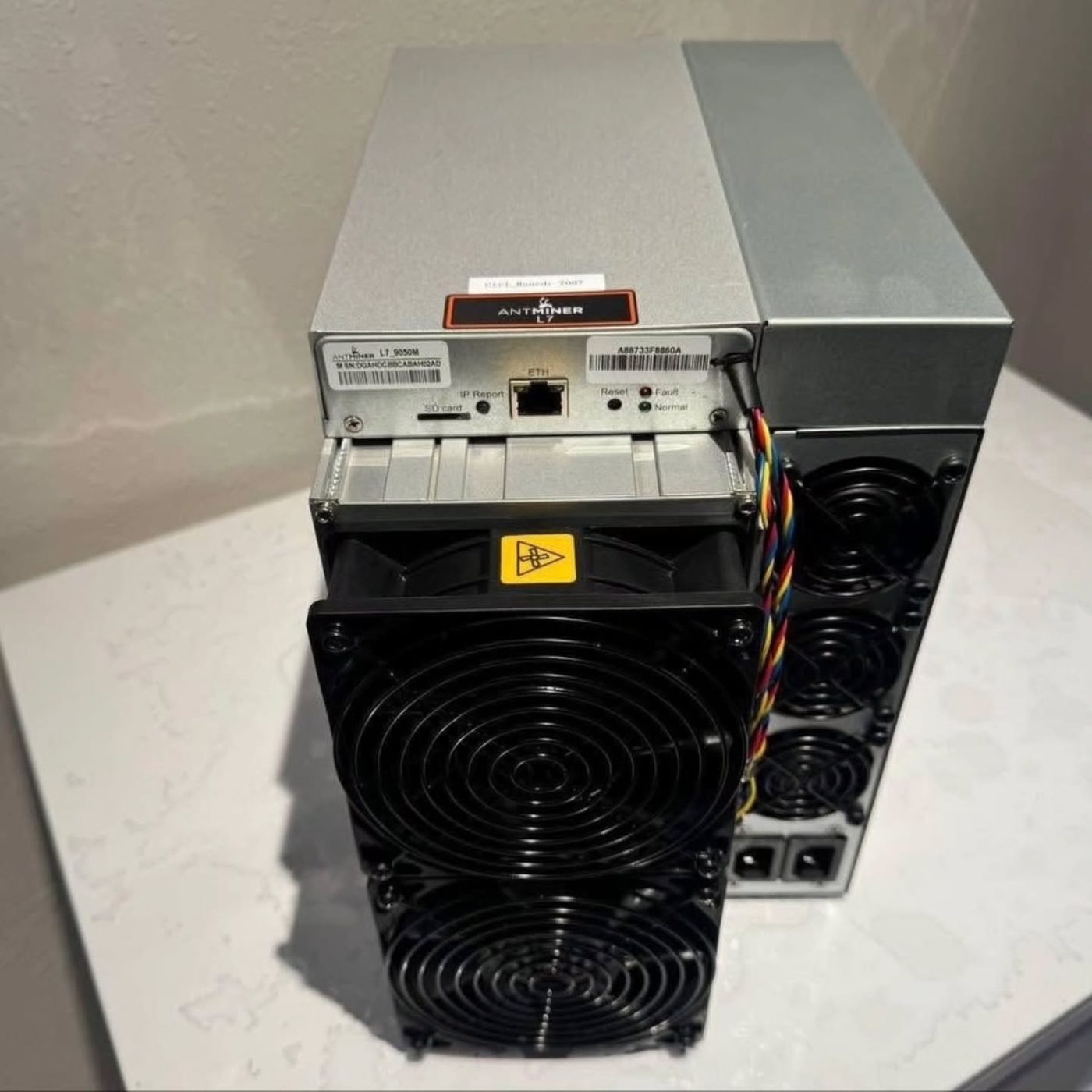
Used Bitmain Antminer L7 9.05-9.5 Gh/s Dogecoin & Litecoin Miner
9.5 Gh/s | 3425W
Scrypt (DOGE & LTC) · Used
$3,990$4,290
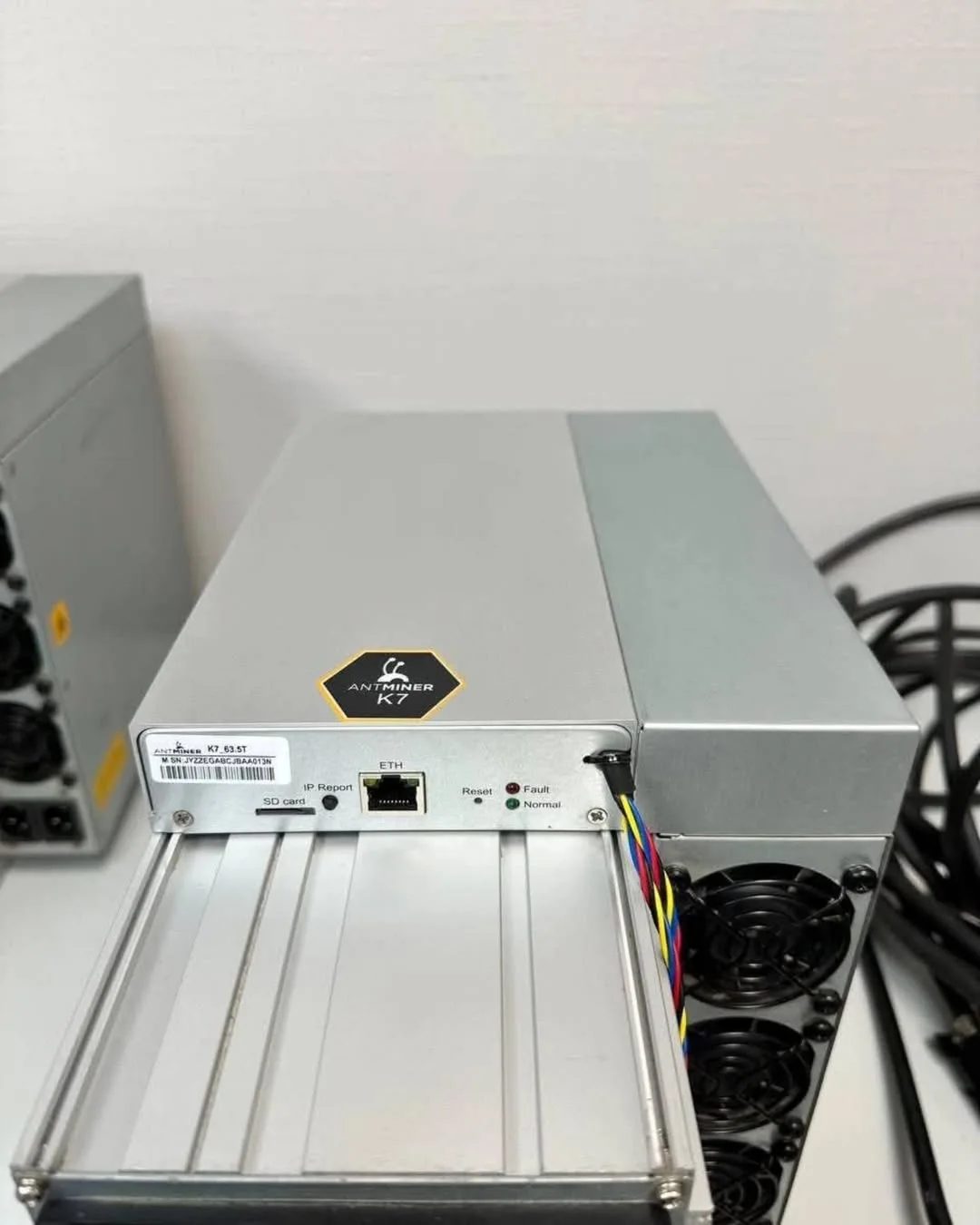
Used Bitmain Antminer K7 63.5 Th/s Nervos CKB Miner
63.5 Th/s | 3080W
Eaglesong (Nervos CKB) · Used
$1,150$1,290
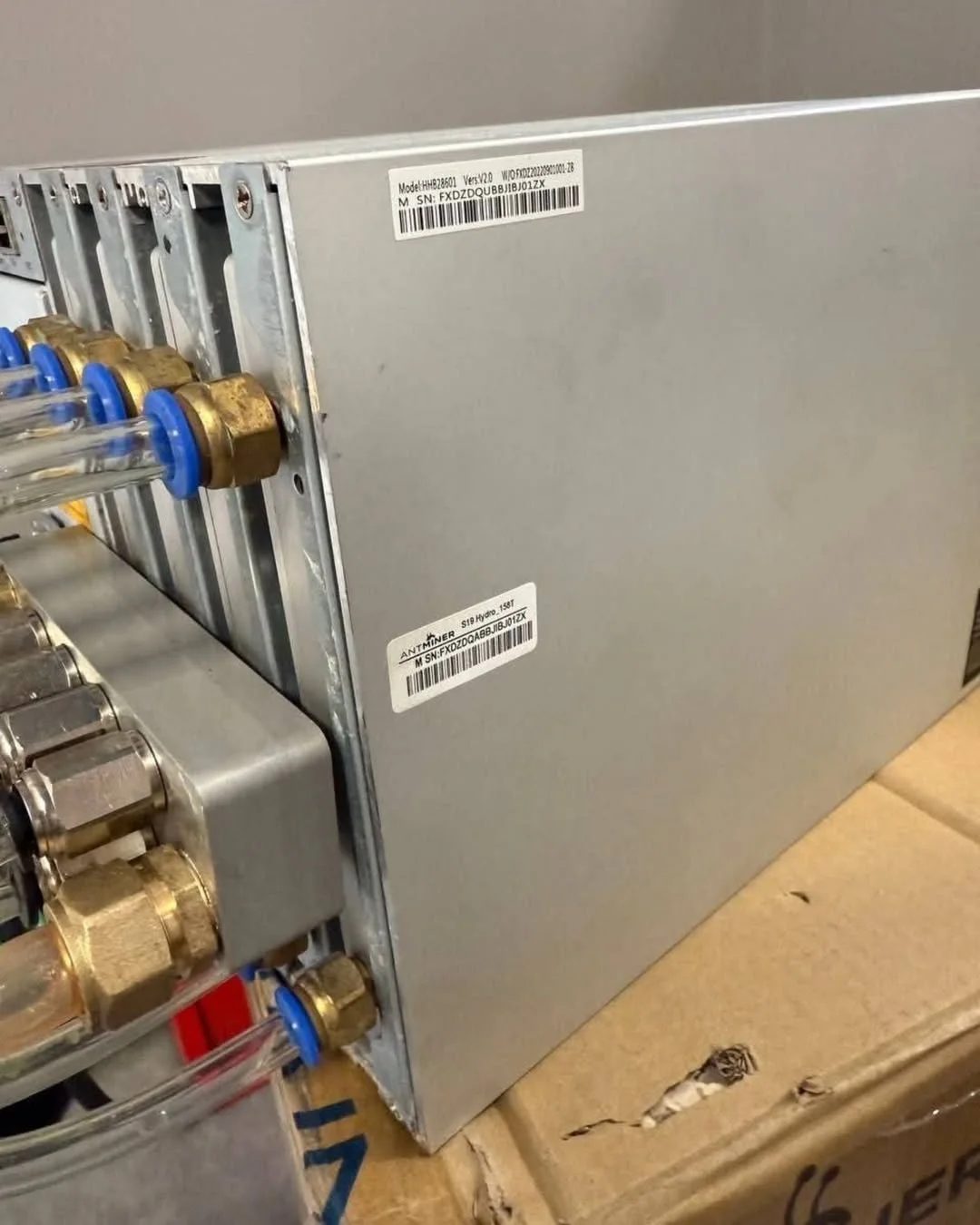
Used Bitmain Antminer S19 Hydro 158 Th/s Water-Cooled Bitcoin Miner
158 Th/s | 5350W
SHA-256 · Used
$627$699
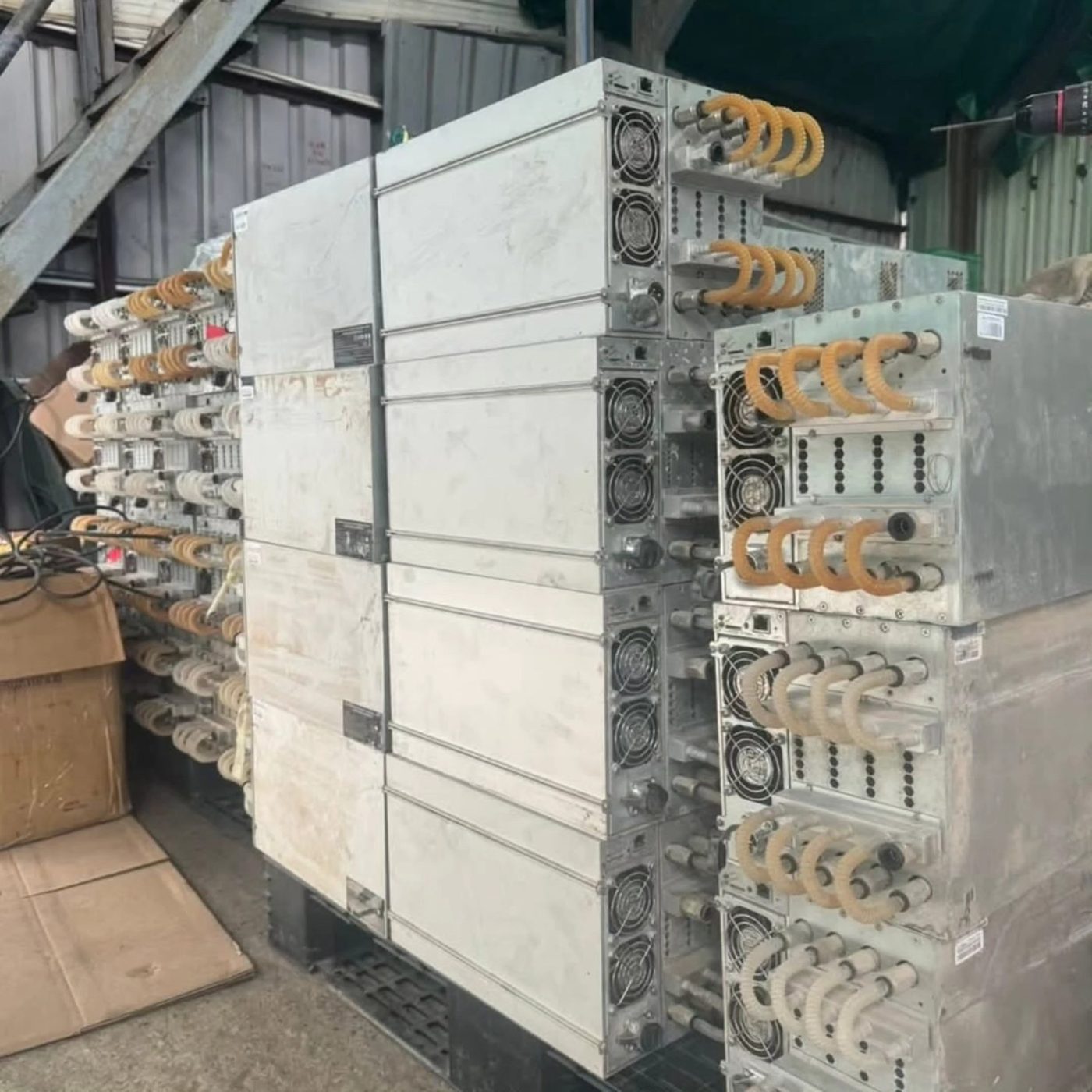
Used Bitmain Antminer S19 Hydro 151.5 Th/s Bitcoin Miner
151.5 Th/s | 5301W
SHA-256 · Used
$404$449
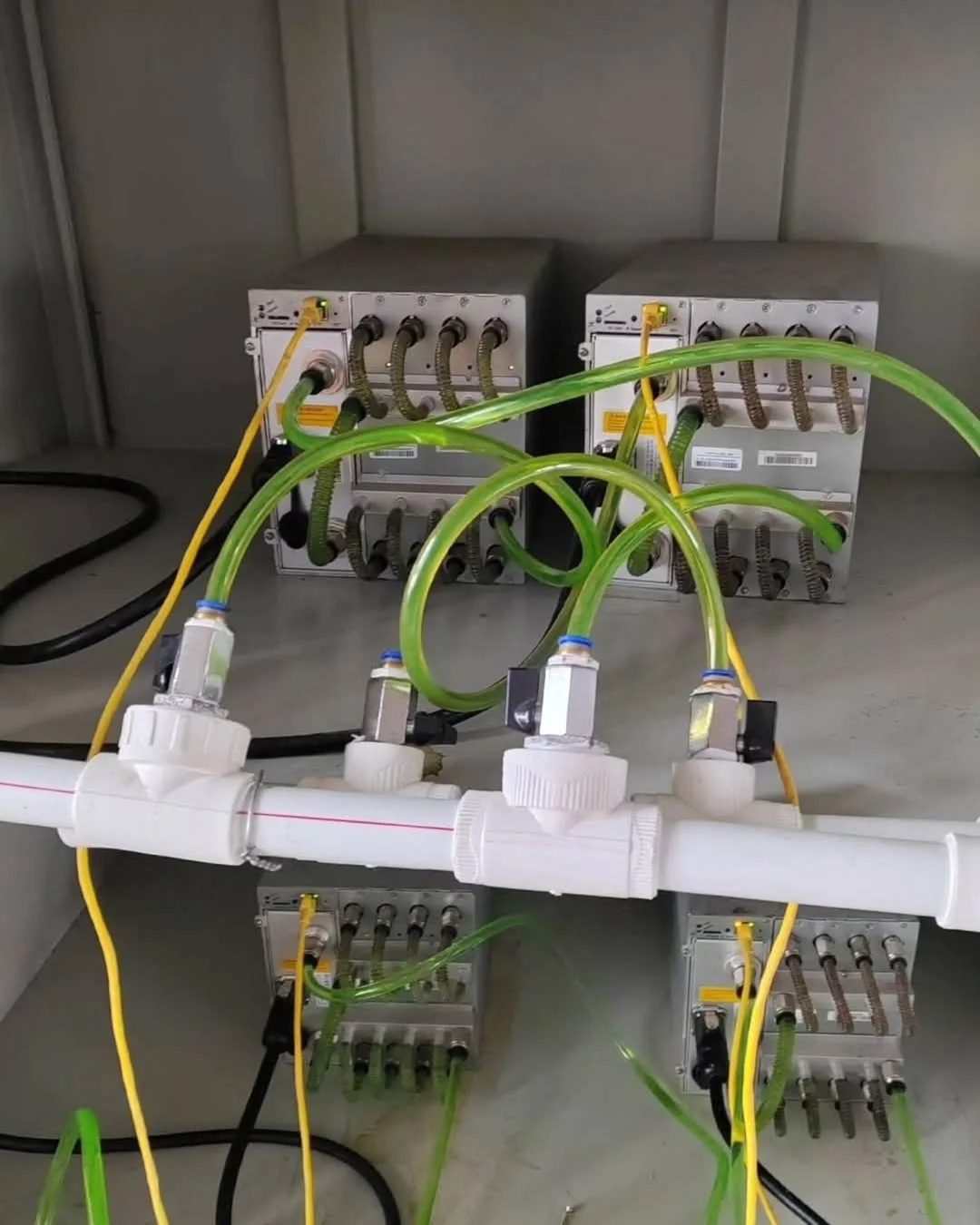
Used Bitmain Antminer S19 Pro+ Hyd 198 Th/s Hydro Bitcoin Miner
198 Th/s | 5445W
SHA-256 · Used
$1,290$1,490
Want the numbers run for your site?
Send us your electricity rate, available amperage and budget. We will model the machines that actually pay back at your power cost — no obligation.
Talk to an engineer