
Brand Reviews · July 16, 2026 · 6 min read
Antminer D3 and D9: X11 Dash Mining Hardware
The Antminer D-series mines X11 for Dash, and the gap between the legacy D3 and the current D9 is enormous — roughly 70 J/GH versus 1.6 J/GH. That single number decides which one belongs in a modern deployment.
This guide is written from how we source, bench-test, deploy and service Antminer D9 hardware at our Hong Kong facility. Every recommendation links to machines we actually hold in stock, so you can go from research to a shortlist and a delivered price in one step — with shipping to the USA, Canada and Europe.
Antminer D9 Specifications That Actually Matter
The Antminer D9 ships rated 1,770 GH/s, 2,839 W at the wall, 1.6 J/GH efficiency, X11 (Dash) algorithm, air cooling. Those four numbers — hashrate, wall draw, efficiency and cooling method — decide everything else: what circuit you need, how much heat the room absorbs, and how the machine behaves when network difficulty climbs. Everything a spec sheet lists beyond that is packaging.
Treat the rated figures as a ceiling rather than a promise. Air-cooled units typically settle two to five percent below datasheet output once intake air passes 30 degrees Celsius, while liquid-cooled siblings hold their numbers far more consistently. We bench every Antminer D9 before it ships and record the actual hashrate and wall draw on the test sheet that travels with the unit.
Efficiency in Context: Where Antminer D9 Sits in the Market
Efficiency (1.6 J/GH) is what determines survival through difficulty growth. Machines above roughly 30 J/TH are cash-flow plays for operators with very cheap or curtailed power. Units between 18 and 28 J/TH are the value tier. Anything under 16 J/TH is current-generation hardware you can plan a multi-year deployment around.
The D9 is the current X11 machine and the only Dash miner worth deploying at commercial power rates. Compare the Antminer D9 against alternatives on delivered price per terahash next to efficiency: paying more per terahash is only rational when the extra capital buys materially lower energy draw for the same output.
Running Cost: What Antminer D9 Electricity Looks Like
At 2,839 W continuous the Antminer D9 consumes roughly 68 kWh per day. At six cents per kilowatt hour that is about $4 of power per day; at twelve cents it doubles to roughly $8. Multiply by 30 and you have the only fixed cost that never negotiates.
Because power is the dominant cost, your electricity rate — not the purchase price — decides whether this machine belongs in your fleet. Run the numbers with hashprice cut by 30 percent before you buy. If the Antminer D9 still clears its own power bill in that stressed scenario, the purchase survives a bad quarter; if it does not, you are betting on price appreciation rather than on mining.
Heat, Noise and Where the Machine Can Live
An air-cooled Antminer D9 produces 72 to 80 dB continuously and dumps its entire 2.8 kW into the room as heat. That rules out living spaces without a garage, outbuilding, ducted enclosure or hosting contract. Noise, not electricity, is the reason most home mining purchases get resold within a month.
Whatever the cooling method, intake temperature is the metric to instrument. Log intake, exhaust and chip temperatures, alarm on 75 degrees Celsius chip temperature, and clean filters on a fixed schedule. Thermal discipline is the difference between a five-year machine and an eighteen-month one.
Firmware, Tuning and Pool Configuration
Keep firmware on a known-good stock release unless you have a specific reason to change. Vendor firmware includes thermal protections that custom builds sometimes relax, and a machine that hashes five percent faster while running ten degrees hotter is a bad trade over three years. Take a config backup before any flash, and never flash a fleet without testing one unit first.
Point the Antminer D9 at two or three pools in priority order so a pool outage does not cost you a day of hashrate. Set worker names per machine, monitor accepted versus rejected shares, and alarm on any unit that drops below 95 percent of its benchmarked hashrate — that is usually a failing hashboard long before it fails outright.
Alternatives Worth Comparing
Nothing in the X11 space competes; the real comparison is against SHA-256 hardware and Dash's own price risk. Do not compare on headline hashrate alone; two machines with the same output can differ by 40 percent in electricity cost, which is the entire margin at most power rates.
Our sales desk will model two or three candidates against your actual electricity rate, available amperage and budget, then quote delivered pricing so you can compare like with like. That takes an afternoon of spreadsheet work off your plate and usually changes the shortlist.
Frequently Asked Questions
- What is the Antminer D9 hashrate and power draw?
- The Antminer D9 is rated at 1,770 GH/s drawing 2,839 W at the wall, which is 1.6 J/GH. Expect two to five percent below rated output in warm ambient conditions.
- How much electricity does a Antminer D9 use per day?
- Roughly 68 kWh per day of continuous operation — about $5 per day at eight cents per kilowatt hour, or $164 per month.
- Is the Antminer D9 still profitable?
- That depends on your power rate more than anything else. Model it with hashprice cut 30 percent: if the machine still covers its own electricity, it is a defensible buy.
- Can I run a Antminer D9 at home?
- Only with a dedicated 240 V circuit, real ventilation and tolerance for 72-80 dB. Most buyers end up ducting the exhaust, using an outbuilding, or hosting the machine.
- Do you sell used Antminer D9 units with a warranty?
- Yes. Every used and refurbished unit is stripped, cleaned, load-tested and hashrate-verified before shipping, and ships with written warranty terms and worldwide delivery from Hong Kong.
Recommended Miners From Our Inventory
Hardware in stock that matches this guide. Every unit is bench-tested and hashrate-verified before it ships.
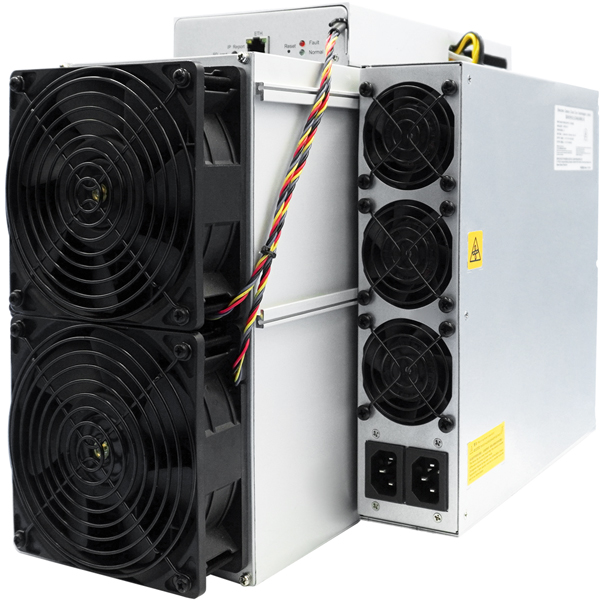
Bitmain Antminer D9 1770 Gh/s DASH Miner
1770 Gh/s | 2839W
X11 · New
$1,168
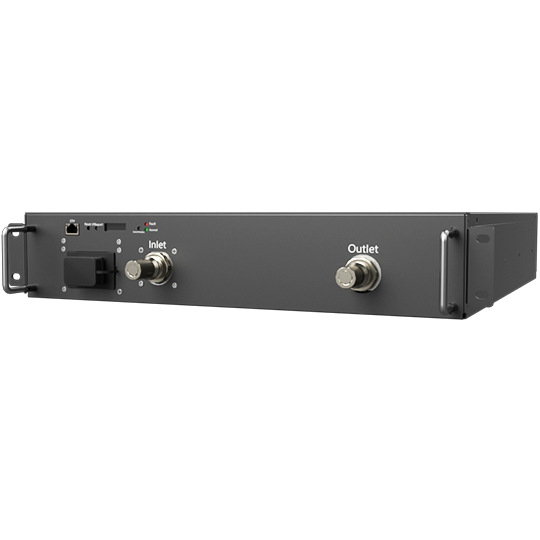
Bitmain Antminer S23e U2H 865 Th/s Bitcoin Miner
865 Th/s | 8650W
SHA-256 (Bitcoin) · New
$9,515

Bitmain Antminer AL1 16.6 Th/s ALPH Miner
16.6 Th/s | 3730W
Blake3 · New
$14,284
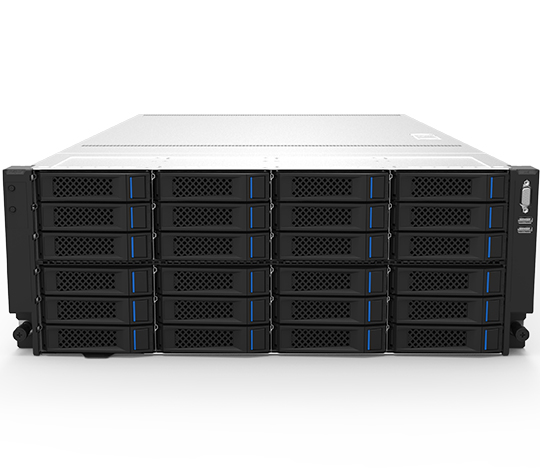
Bitmain Antminer On-Rack Filecoin Miner 4300T FIL Miner
4300T | -
PoST · New
$8,888
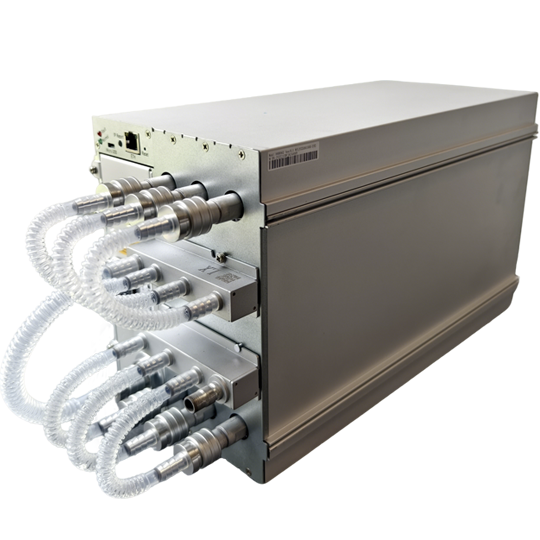
Bitmain Antminer S23 Hyd. 580 Th/s Bitcoin Miner
580 Th/s | 5510W
SHA-256 (Bitcoin) · New
$17,400
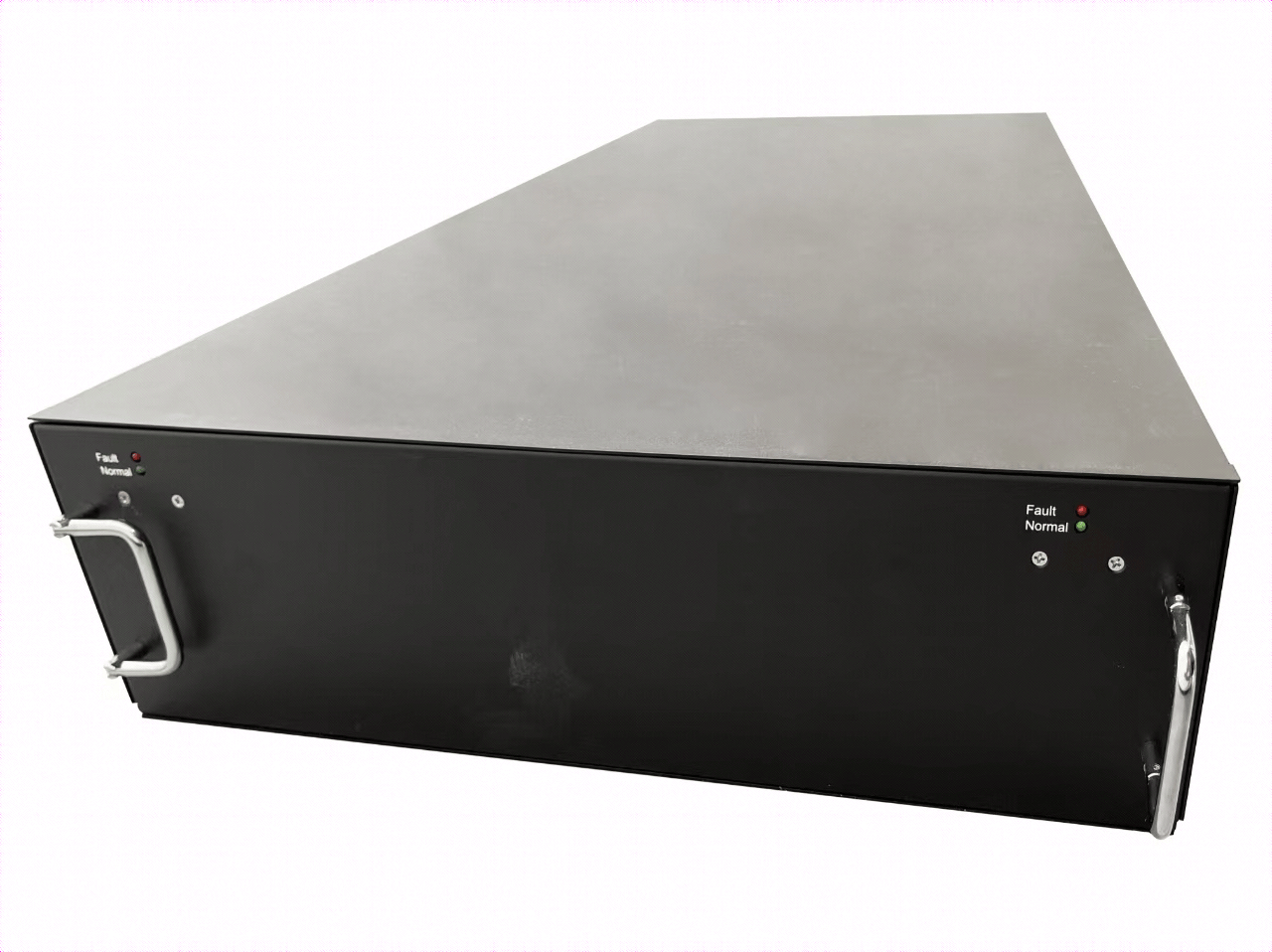
Bitmain Antminer U3S23H 1160 Th/s Bitcoin Miner
1160 Th/s | 11020W
SHA-256 (Bitcoin) · New
$34,800
Want the numbers run for your site?
Send us your electricity rate, available amperage and budget. We will model the machines that actually pay back at your power cost — no obligation.
Talk to an engineer